
Plants
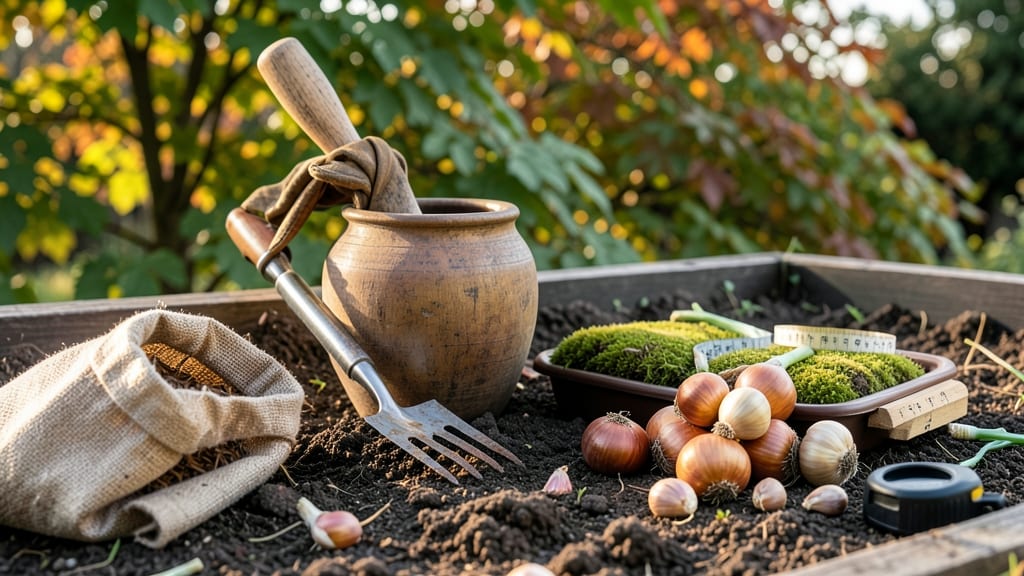
Planting your Spring-Blooming Bulbs 🌷 at the wrong time in Oklahoma could mean missing out on next spring’s showstopping display—or worse, losing them entirely to winter’s whims. The key isn’t just when to plant, but how to time it perfectly for your specific variety and zone.
Most gardeners in Oklahoma’s 6a-7b zones know the window runs from September to November, but did you know some bulbs like tulips need to go in by late September while others, like crocuses, can wait until early November?
Getting this right means stronger roots, better blooms, and less stress for your plants when winter hits.
I’ve tested the best strategies for Oklahoma’s unpredictable weather—from soil prep to adjusting for early freezes—and I’ll share exactly how to time each planting for maximum success.
Whether you’re a first-timer or a seasoned gardener, these tips will help you avoid common mistakes and get those bold spring blooms you’ve been dreaming of.
Let’s dive into the perfect planting schedule for your favorite bulbs, so you can enjoy a garden that pops with color starting in April. Ready to transform your yard next spring? Here’s how to make it happen.
Best fall planting timeline for Oklahoma bulbs by variety
Oklahoma’s variable climate—with USDA Zones 6a-7b—means your fall bulb planting window is tight but critical. Plant too early, and bulbs may sprout before winter; too late, and they won’t root before frost.
The key? Start in late September for northern Oklahoma (Zone 6a) and mid-October for southern regions (Zone 7b), with flexibility for microclimates like urban heat islands or windy plains.
Most spring-flowering bulbs (tulips, daffodils, hyacinths) need 6-8 weeks to establish roots before the ground freezes.
In Oklahoma, that translates to September 15–November 1, depending on your exact location. Crocuses and alliums, however, are more forgiving—they can handle later planting into early November, especially in milder Zone 7b areas.
Before you dig, test your soil. Oklahoma’s clay-heavy soils in the east and sandy loams in the west drain differently. Amend clay with compost or sand to improve drainage, while sandy soils benefit from organic matter to retain moisture.
Aim for a pH of 6.0–7.0—most bulbs thrive in this neutral range.
Here’s your Oklahoma-specific planting timeline by bulb variety, including depth and spacing tips to ensure survival through our unpredictable winters:
For tulips and hyacinths, prioritize planting in late September—these bulbs are less cold-hardy and need time to root. Daffodils, on the other hand, are Oklahoma’s most reliable bulbs; they handle late planting and deer pressure better than others.
If you’re in Zone 7b, you can push planting to early November, but avoid working wet soil to prevent rot.
After planting, mulch lightly with 2–3 inches of straw or shredded leaves to insulate bulbs from temperature swings. In windy areas (like the panhandle), add a layer of pine needles to protect newly planted bulbs. Avoid heavy mulch, which can suffocate bulbs or attract pests like voles.
One Oklahoma-specific trick? Plant bulbs in containers if your yard has poor drainage or flood-prone spots. Use a fast-draining mix (50% potting soil, 30% perlite, 20% compost) and overwinter containers in a sheltered spot like a garage or under an eave.
This extends your planting window into early December for containers.
Finally, mark your planting spots with flags or a garden map—Oklahoma’s unpredictable freezes can make it hard to remember where bulbs are buried. Come spring, you’ll thank yourself when daffodil trumpets and tulip cups push through the soil, unfazed by our wild temperature swings.
Pro tip: Save your bulbs’ foliage after flowering—don’t cut it back until it turns brown and crispy. This ensures the bulb stores energy for next year’s blooms. In Oklahoma’s heat, this might mean waiting until late June for some varieties.
How to adjust planting dates for Oklahoma’s unpredictable weather
Oklahoma’s variable climate throws off even the most experienced gardeners. One year, early freezes strike by Halloween; the next, soil stays warm into December. The key to success? Flexible planting strategies that account for soil temperatures, microclimates, and backup dates for each bulb type.
Start by checking soil temperatures—they’re more critical than air temps. Use a soil thermometer to confirm 50-60°F at 6-inch depth. If temps hover above 60°F, bulbs may sprout too early and get fried by fall frosts.
In USDA Zone 6a, aim for mid-September planting; in Zone 7b, you’ve got until early November.
⚠️ callout warning ⚠️
🌡️ Critical Freeze Alert
Oklahoma’s unpredictable freezes can hit anytime. If temps drop below 32°F within 4-6 weeks of planting, bulbs risk frost damage. Use these backup dates if you miss the ideal window:
- Tulips/Daffodils: Plant by November 15 (Zone 6a) or December 1 (Zone 7b)
- Crocuses/Hyacinths: Can handle late December in Zone 7b
- Alliums: Most drought-tolerant—plant as late as January if soil isn’t frozen
Pro Tip: Cover beds with 4-6 inches of straw mulch after planting to insulate bulbs.
For late starts, prioritize hardier bulbs like crocuses and snowdrops, which tolerate colder soils. If you’re planting in December, focus on Zone 7b areas and use black plastic mulch to absorb sunlight and warm the soil.
In clay-heavy soils, amend with compost to improve drainage—soggy soil accelerates rot risks.
When early freezes threaten, shift to container planting. Use 10-inch pots with well-draining mix and move containers to protected spots (e.g., against south-facing walls). Hyacinths and muscari thrive in containers and can be buried in mulch for extra insulation.
Don’t overlook microclimates. South-facing slopes warm faster than north-facing beds, extending your planting window by 2-3 weeks. Test a small patch in shady spots first—some bulbs like daffodils tolerate partial shade, while tulips need full sun.
Always water deeply after planting to settle soil around bulbs and prevent air pockets.
If wet soils delay planting, wait until the ground is workable but not soggy. Use a soil probe to check moisture—if it’s too wet, bulbs may rot before sprouting.
For sandy soils, plant shallower (1.5x bulb height) and mulch heavily to retain moisture. In clay soils, dig deeper holes (2x bulb height) to prevent waterlogging.
Remember: Oklahoma’s bulbs need 6-8 weeks to establish roots before winter. If you’re late to the game, opt for pre-chilled bulbs from nurseries—they’ve already started rooting and adapt faster. With these adjustments, you’ll outsmart the weather and still enjoy showstopping spring blooms! 🌷