
Plants
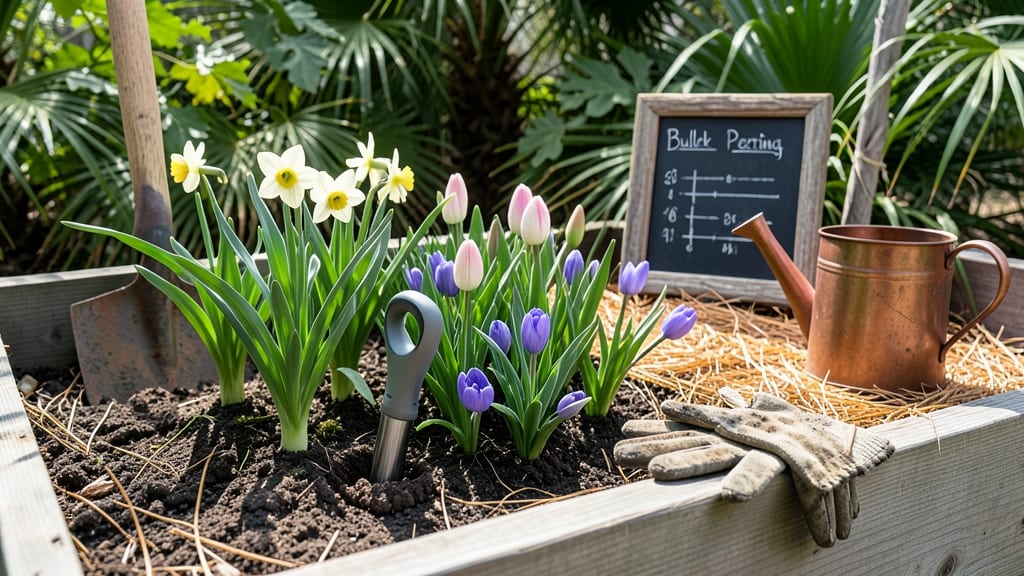
Planting Spring Flowering Bulbs 🌷 in Florida at the wrong time can mean soggy soil, moldy bulbs, or flowers that never appear.
The key to vibrant blooms lies in understanding your exact zone—whether you're in North Florida's cooler 8a or South Florida's frost-free 11—and planting between October and November when temperatures drop just enough to trigger growth.
Most gardeners assume Florida's warm climate means bulbs can be planted anytime, but that's a recipe for disaster. The 6-8 week window before your first frost (or the start of cooler weather in frost-free zones) is critical for root establishment.
In North Florida, that means digging in by early October, while South Florida gardeners can wait until November.
What makes Florida unique is our diversity—from dahlias that love heat to rain lilies that thrive in wetter areas. I'll break down the exact months for each zone, plus soil prep tricks to ensure your bulbs don't rot in our humid summers.
Let's get those 🌷 blooms off to the right start.
Ready to skip the guesswork? You'll learn how to time your planting for zero frost stress, choose the best bulbs for your microclimate, and avoid the 3 biggest mistakes Florida gardeners make. Let's make this your most successful bulb season yet.
Florida planting zones & exact months for bulb success
Florida’s three distinct planting zones—North, Central, and South—create unique microclimates for bulb planting. Unlike northern states, Florida’s frost-free winters allow year-round growth for many varieties, but timing is critical to avoid rot or weak blooms.
The key difference? North Florida (Zone 8a-9a) gets occasional frost, while Central (Zone 9b-10a) and South (Zone 10b-11) rarely see freezing temps.
For spring-flowering bulbs like tulips and daffodils, plant in fall (October-November) to establish roots before warm weather. In South Florida, you can even plant year-round for continuous blooms! Meanwhile, tender bulbs like cannas and dahlias thrive when planted in spring (March-April) after the last frost risk passes.
Here’s the exact planting schedule by zone, including temperature thresholds and frost-free guarantees to maximize your bulb’s success.
In North Florida, where frosts can dip below 32°F, plant spring bulbs 6–8 weeks before the average last frost (typically mid-November). Use mulch (3–4 inches) to insulate bulbs and protect them from cold snaps.
For Central Florida, extend your planting window into early December for fall bloomers like crocus, which thrive in cooler winter temps.
South Florida gardeners have the most flexibility—plant spring bulbs year-round! However, avoid peak summer (June–August) when soil temps exceed 80°F, which can cause bulbs to rot.
Instead, focus on September–November for ideal 60–70°F soil temps. Pro tip: Use shade cloth in containers to protect bulbs from intense midday sun.
For tender bulbs like cannas and dahlias, wait until after the last frost (typically mid-March in North Florida and February in Central/South). These bulbs cannot tolerate frost and will rot if planted too early.
In South Florida, you can even overwinter them in pots and move them outdoors in spring for continuous blooms.
Always check your local frost dates using the Florida Climate Center or plant heat-tolerant varieties like rain lilies (Zephyranthes) or spider lilies (Hymenocallis), which thrive in Florida’s humidity and heat. These native-friendly bulbs often bloom year-round with minimal care.
One final tip: Test your soil’s drainage before planting. Florida’s clay-heavy soils can trap moisture, leading to bulb rot. Amend with compost or perlite to
Best bulbs for Florida’s climate & how to choose
Florida’s heat and humidity might make you think bulbs won’t thrive here, but the right varieties flourish year-round. Unlike temperate climates, we focus on heat-loving bulbs like cannas, dahlias, and rain lilies that bloom in spring and fall without winter dormancy.
These plants also tolerate high humidity and poor drainage better than traditional bulbs.
When selecting bulbs, prioritize tropical or subtropical varieties that match your sunlight exposure and soil type. Sandy soils in coastal areas need moisture-retentive amendments, while clay-heavy regions benefit from raised beds. Always check the USDA zone (8a–11 in Florida) to ensure compatibility with your microclimate.
🌱 Florida-Friendly Bulbs by Bloom Season
- Spring Bloomers (Feb–May): Rain lilies (Zephyranthes), spider lilies (Hymenocallis)
- Summer/Fall Bloomers (Aug–Nov): Cannas, dahlias, amaryllis (Hippeastrum)
- Year-Round Interest: Elephant ears (Colocasia), caladiums (for shade)
- Sunlight Needs: Full sun (6+ hrs): Dahlias, cannas; Partial shade (3–6 hrs): Rain lilies, caladiums
- Soil Prep: Amend heavy clay with compost; add perlite to sandy soils for moisture retention
For spring blooms, plant rain lilies in fall (Sept–Oct) to establish roots before wet winter months. These drought-tolerant bulbs naturalize quickly in well-draining soil and even thrive in container gardens.
In contrast, cannas and dahlias—both tender perennials—should go in the ground after last frost (Feb–March) in North Florida or year-round in South Florida.
When choosing varieties, opt for disease-resistant strains like Dahlia 'Café au Lait' or Canna 'Wyoming', which handle Florida’s humidity and pests better. Always mulch heavily (3–4 inches) to retain moisture and suppress weeds. Avoid overwatering—root rot is the #1 killer of Florida bulbs.
Pro tip: Group bulbs by height and color for dramatic displays. Pair tall cannas (5–7 ft) with shorter dahlias (2–4 ft) and ground-hugging rain lilies (6–12 inches). This creates vertical interest while maximizing your garden’s bloom season from spring to fall.
With the right bulbs and timing, your Florida garden can burst with color without the wait of traditional spring bloomers. Start with one or two varieties to test your soil and microclimate before expanding. Happy planting!