
Plants
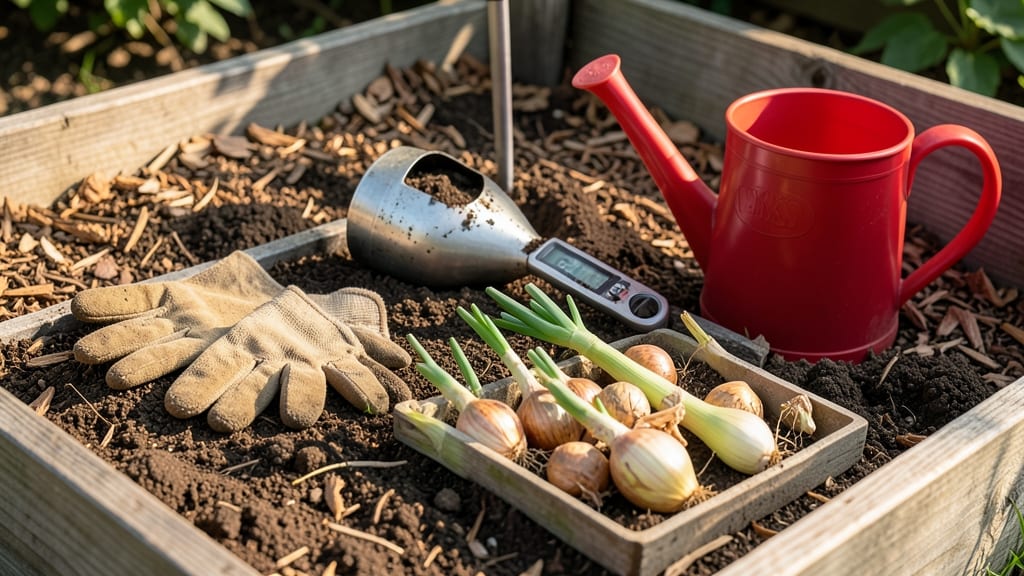
Timing your gladiolus bulb planting in Indiana isn’t just about following a calendar—it’s about catching that sweet spot between frost risk and summer heat, where your 🌸 gladiolus will reward you with bold, show-stopping blooms from July to September.
Most gardeners in Zone 6a like Indiana wait until mid-April to early May to plant, but what if spring drags on? Or what if you’re eager to get started sooner?
The key is understanding your soil’s readiness—warm enough to root but cool enough to avoid stress—and I’ll walk you through exactly how to tell when it’s go time.
You’ll also discover how to adjust for Indiana’s unpredictable weather, from late frosts that could nip tender shoots to sudden heatwaves that stress newly planted corms. Plus, I’ll share my top varieties for Hoosier gardens and the simple care routine that keeps them thriving all summer long.
Ready to transform your garden into a stunning summer display? Let’s dive into the exact timing, soil prep, and post-planting tips that’ll make your gladiolus the star of your yard.
Optimal Indiana planting months for gladiolus bulbs by hardiness zones
Indiana's USDA Zones 5-6 create a unique challenge for gladiolus growers—cool springs and warm summers demand precise timing. The key is planting when soil temperatures reach 60°F (15°C) and frost risk drops below 10%.
In most of Indiana, this window opens in mid-April but can shift 2-3 weeks based on microclimates.
Gladiolus bulbs (technically corms) thrive when planted after the last frost date, which in Indiana typically falls around April 15. However, northern Indiana (Zone 5) often waits until late April, while southern areas (Zone 6) can start as early as early April.
The goal is to give your glads 8-10 weeks of growth before summer heat arrives.
Here’s the exact planting calendar broken down by zone, including soil temperature thresholds and frost risk analysis to help you plan:
| Zone | Last Frost Date | Soil Temp Threshold | Early Planting Window | Ideal Planting Window | Late Planting Window |
|---|---|---|---|---|---|
| 5 (Northern IN) | April 22 | 60°F (15°C) | Late April (after April 22) | May 1–15 | Up to May 31 (with caution) |
| 6 (Southern IN) | April 15 | 60°F (15°C) | Early April (after April 1) | April 15–May 1 | Up to June 1 (for late bloomers) |
For Zone 5, I recommend starting with early-maturing varieties like 'Pictured Perfect' or 'Green Gables' to ensure blooms before Indiana’s summer heat peaks. In Zone 6, you can push the envelope with mid-to-late season varieties like 'Black Star' or 'White Friendship' for extended blooms into September.
Pro tip: Use a soil thermometer to confirm readiness—gladiolus corms won’t sprout until soil hits 60°F (15°C). If your soil is cooler, wait or use black plastic mulch to warm it faster.
Planting too early risks rot from cold, damp soil, while waiting too long may result in stunted blooms.
Remember that Indiana’s humidity levels can stress gladiolus, so always plant in well-draining soil with a slightly sandy mix. Add compost to improve drainage and fertility, but avoid heavy clay soils which can cause corm rot.
The 4-6 inch depth rule applies universally—plant corms 4 inches deep and 6 inches apart for optimal air circulation.
If you miss the primary window, don’t panic! Gladiolus can handle late spring planting up to June 1 in Zone 6, though blooms may be smaller. In Zone 5, stick to the May 15 deadline—planting later risks heat stress before flowers emerge.
For container growing, extend your window by 2-3 weeks since pots warm faster.
After planting, maintain consistent moisture (1–1.5 inches per week) and watch for thrips, a common Indiana pest. Mulch with straw to retain moisture and suppress weeds, but avoid thick layers that can smother emerging shoots.
With the right timing, your gladiolus will reward you with bold, show-stopping blooms from July through September.
🌸
How to adjust planting timing for Indiana’s unpredictable spring weather
Indiana’s spring weather can swing from freezing nights to unseasonably warm days in just days, making it tough to nail down the perfect planting time for gladiolus bulbs. These heat-loving corms need consistent warmth to thrive, but late frosts can still threaten young shoots.
The key is flexibility—adjusting your schedule based on soil temperature and weather forecasts rather than sticking to a rigid calendar.
Most gardeners aim to plant gladiolus bulbs 4–6 weeks before Indiana’s average last frost date (April 15), typically in mid-April to early May. However, if your spring is delayed by cold snaps or excessive rain, you’ll need backup strategies to protect your investment.
The good news? Gladiolus are forgiving if you adjust your approach—just be ready to act fast when conditions improve.
⚠️ Late Frost Warning: Gladiolus Bulbs Are NOT Frost-Tolerant!
Gladiolus corms can survive light freezes (28–30°F), but emerging shoots will die instantly in frost below 32°F. If a late frost is forecasted after planting, use frost cloth or row covers to protect young plants. For extra safety, delay planting until soil temps reach 60°F—even if it means waiting until late May.
Pro Tip: Plant test corms 1–2 weeks before your ideal date. If they survive, proceed with the full planting; if not, hold off another week.
One of the easiest ways to warm up cold soil is by using black plastic mulch or straw bales a few weeks before planting. Lay them over the garden bed in early April to absorb sunlight and raise soil temperatures by 5–10°F.
This trick is especially useful in northern Indiana (Zone 5), where soils stay chilly longer. Just remove the mulch right before planting to avoid overheating the corms.
If you miss the ideal window due to unpredictable weather, don’t panic—gladiolus can still be planted as late as early June in Indiana. While late plantings may produce smaller blooms, they’ll still reward you with colorful summer flowers.
For a backup schedule, plant 1/3 of your bulbs every 2 weeks starting in April. This staggered approach ensures a longer bloom season and reduces the risk of losing everything to one bad frost.
For added protection, consider raising soil temps with a DIY soil warmer. Bury black garbage bags filled with water in the sunniest part of your garden a week before planting. The water heats up during the day and slowly warms the soil at night.
Pair this with a thick layer of straw mulch (3–4 inches) after planting to insulate roots and retain moisture during temperature swings.
Finally, keep an eye on soil moisture—Indiana’s spring showers can quickly turn garden beds into waterlogged messes. Gladiolus corms rot in soggy soil, so ensure your planting area has well-draining soil and elevated beds if your yard tends to stay damp.
If rain delays planting, wait until the soil is workable (not muddy) and plant as soon as possible to avoid fungal diseases.