
Plants
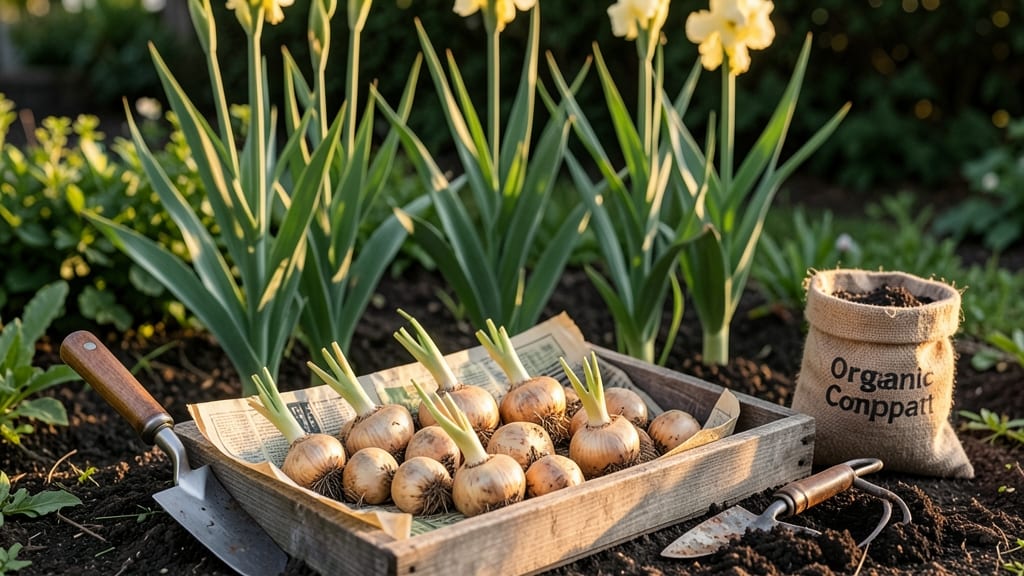
Planting gladiolus bulbs in Pennsylvania at the wrong time can mean the difference between a garden full of 🌸 stunning spikes and wasted effort.
With frost dates that shift yearly, timing is everything—too early, and a late freeze will kill your corms; too late, and you’ll miss the July-September blooms that make these flowers a showstopper.
I’ve spent years growing gladiolus in USDA Zone 6a, and the key is knowing when the soil warms enough to support those delicate corms without risking frost damage.
The ideal window—April 15 to May 15—aligns with Pennsylvania’s average last frost date, giving your plants a head start before summer’s heat arrives.
But here’s the catch: microclimates matter. Whether you’re in Pittsburgh’s cooler hills or Philadelphia’s urban heat pockets, local conditions can shift your planting date by 2-4 weeks. I’ll break down exactly how to adjust for your area, so you’re planting at the perfect moment for zero frost risk.
Ready to transform your garden? By the end of this guide, you’ll know not just when to plant gladiolus bulbs, but how to set them up for the tallest, hardiest blooms Pennsylvania summers have to offer. Let’s get started.
Pennsylvania’s gladiolus planting zones: exact months by region
Timing is everything when planting gladiolus bulbs in Pennsylvania, where USDA Zones 5-7 create a delicate balance between late spring frosts and summer heat. Miss the window, and you’ll either lose your corms to frost or watch your blooms wilt under July’s intensity.
The key? Planting 2-4 weeks after your last frost date—but that exact timing varies by region.
Pennsylvania’s geography—from the cooler Poconos to Philadelphia’s urban heat islands—means frost dates can shift by 2-3 weeks between cities. For example, Erie’s coastal climate often sees frost-free soil by mid-April, while Pittsburgh’s inland valleys may wait until late April.
Below, I’ve broken down the ideal planting windows for Pennsylvania’s most common regions, plus city-specific data to help you avoid costly mistakes.
Pro Tip: Always check soil temperature—gladiolus corms need 60°F+ soil to thrive. Use a soil thermometer or wait until nighttime lows stay above 50°F consistently. This simple step can mean the difference between lush blooms and stunted growth.
| Region | USDA Zone | Avg. Last Frost | Ideal Planting Window | City Examples |
|---|---|---|---|---|
| Northern PA (Erie, State College) | Zone 5b-6a | April 15–May 1 | May 1–May 15 | Erie, Meadville, DuBois |
| Central PA (Harrisburg, Lancaster) | Zone 6a-6b | April 20–April 30 | April 25–May 10 | Lebanon, York, Gettysburg |
| Southeastern PA (Philadelphia, Reading) | Zone 6b-7a | April 10–April 20 | April 15–April 30 | Norristown, Allentown, West Chester |
| Southwestern PA (Pittsburgh, Johnstown) | Zone 6a-6b | April 15–April 25 | April 20–May 5 | Washington, Butler, Greensburg |
| High-Altitude (Poconos, Scranton) | Zone 5a-5b | May 1–May 15 | May 15–June 1 (use cold frames) | Jim Thorpe, Stroudsburg, Hazleton |
🌱 Key: Plant corms 4–6 inches deep in well-draining soil for best results.
If you’re in Zone 5 (like the Poconos or northern tier), consider using a cold frame to extend your season. Start corms indoors in late March under grow lights, then transplant outdoors after May 15.
This trick adds 4-6 weeks to your growing season, ensuring summer-long blooms even in cooler areas.
For Philadelphia and southeastern PA, where urban heat islands can push soil temperatures up faster, you can plant as early as mid-April. However, watch for heatwaves—gladiolus corms can rot in soggy, overheated soil.
Amend your beds with compost and perlite to improve drainage and prevent this common pitfall.
One critical mistake I see in Pennsylvania gardens? Planting gladiolus corms too shallowly. These bulbs need 4–6 inches of soil cover to anchor properly. Shallow planting leads to floppy stems and poor nutrient uptake.
Use a trowel to dig holes at least 5 inches deep, then space corms 4–6 inches apart in rows 12–18 inches apart for airflow.
Don’t forget: Gladiolus blooms need heat to develop fully. In Pittsburgh’s Zone 6b, aim to plant by May 1 to ensure flowers open by mid-July. Later plantings may produce blooms, but they’ll be smaller and less vibrant due to Pennsylvania’s shorter growing season.
For extended blooms, succession-plant corms every 2 weeks through early June.
For Erie’s coastal climate, where lake-effect cooling can linger, plant no earlier than May 1. The Great Lakes’ influence keeps nights cooler, so
How to adjust planting timing for Pennsylvania’s microclimates
Pennsylvania’s diverse geography means your gladiolus bulbs may thrive in one region but struggle just 50 miles away. The Poconos Mountains can experience frost weeks after Philadelphia’s last freeze, while coastal Erie often enjoys milder springs. Understanding these microclimates lets you fine-tune planting for peak blooms without risking frost damage.
For high-altitude areas like the Poconos (USDA Zone 5), wait until May 1st to plant—soil warms slower, and late frosts linger. In urban heat islands like Philadelphia (Zone 7), you can start as early as April 15th, but monitor nighttime temperatures.
Coastal Erie (Zone 6) falls in between, with a April 22nd target for most varieties.
⚠️ callout warning ⚠️
Gladiolus corms need 60°F+ soil to sprout. Use a soil thermometer—planting too early in cold soil causes rot. In the Poconos, wait until soil hits 65°F (usually late May). Philadelphia’s urban heat warms faster, but verify with a 3-inch-deep reading.
Pro Tip: Press corms into pre-warmed soil (cover beds with black plastic 1–2 weeks before planting).
Extend your gladiolus season with cold frames or row covers. In cooler zones, start corms indoors under grow lights 6–8 weeks before outdoor planting. For late blooms, use heat-loving varieties like 'Green Star' (tolerates 90°F+) and plant them after Memorial Day.
In Philadelphia’s heat islands, shade cloth (30% coverage) prevents bolting.
Coastal areas like Erie benefit from earlier planting—take advantage of warmer maritime breezes by planting by April 15th. However, watch for salt spray near roads (rinse soil before planting).
Inland zones near Pittsburgh should aim for April 25th, balancing frost risk with summer heat. Always check Penn State Extension’s frost maps for real-time updates.
Adjust watering based on microclimates: Urban areas dry out faster (water every 5–7 days), while mountain regions stay moist longer (reduce to bi-weekly). Mulch with straw to stabilize soil temps—critical for late-season blooms. In Erie’s coastal winds, stake plants early to prevent stem flopping.
For second-season blooms, dig up corms after first frost, cure them in sunny shade for 2 weeks, then store in mesh bags at 40–50°F.
Replant the following spring 2 weeks earlier than your zone’s average—your microclimate adjustments will pay off with longer vase life and brighter blooms.