
Plants
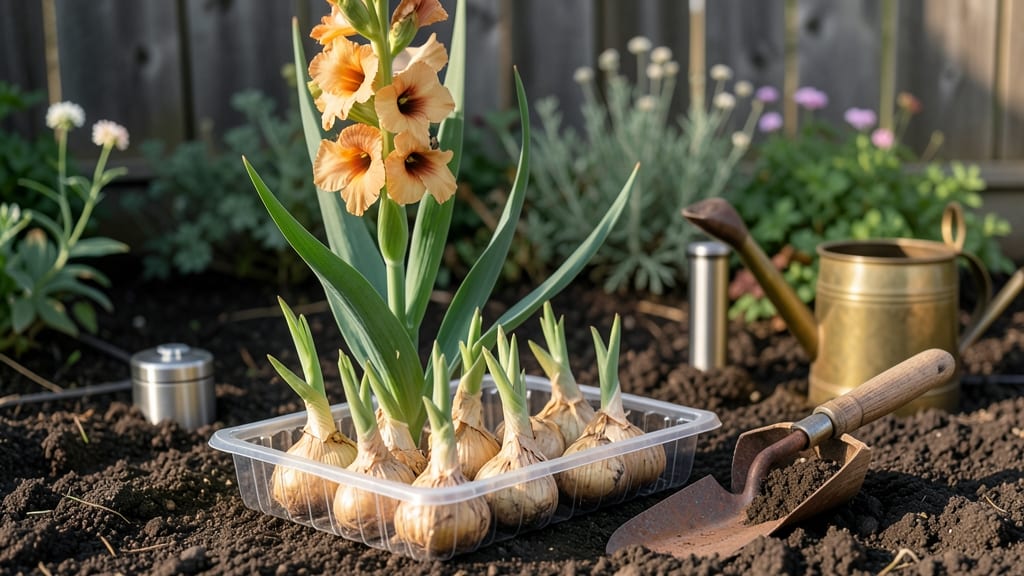
Planting gladiolus bulbs at the wrong time in Georgia can mean the difference between a showstopping summer garden and a sad, wilted mess.
These dramatic 🌸 blooms need precise timing to thrive in our humid, heat-prone climate—especially when last frost dates vary from March 15 in the north to even later in the south.
I’ve learned the hard way that rushing gladiolus into the ground too early leads to rot, while waiting too long stunts their growth. The key is planting 4-6 weeks before your last frost, but Georgia’s microclimates make this trickier than it sounds.
Whether you’re in Atlanta’s 7b zone or Savannah’s 8b, getting the timing right ensures vibrant blooms from late summer through fall.
What I’ll show you next are the exact planting windows for your region, plus soil prep tips to help these tall beauties handle Georgia’s heat and humidity. No more guessing—just bold, reliable blooms that turn heads all season long.
Let’s dive into the step-by-step schedule that’ll have your gladiolus standing tall and proud, no matter where you garden in the Peach State.
Georgia heat zones: exact gladiolus planting dates by region
Georgia’s diverse climate—from Atlanta’s humid subtropical zone to Savannah’s coastal warmth—means gladiolus planting dates vary dramatically by region. In Zone 8a (mountain areas like Blue Ridge), you’ll plant 4-6 weeks earlier than in Zone 9a (Savannah or Macon).
Missing these windows risks rot from early planting or stunted blooms from late starts, so let’s pinpoint the exact weeks for your area.
For Atlanta (Zone 8a), aim for mid-April to early May—when soil temps hit 60°F+—while Savannah (Zone 9a) gardeners should wait until late April to mid-May.
Mountain regions like Dahlonega (Zone 7b) can start as early as late March, but only if using cold-hardy varieties like 'White Friendship' or 'Green Star'.
🌱
Why these specific weeks? Gladiolus corms need consistent warmth to sprout, but soil temps below 55°F trigger rot. Use a soil thermometer to confirm—if it’s cooler, wait. For container gardening, add 2-3 weeks to these windows since pots cool faster.
Pro tip: In Zone 9a, plant late varieties like 'Attila' after Memorial Day to avoid heat stress during Georgia’s brutal July-August heat. These types bloom later but handle 90°F+ temps better than early varieties.
🌿
For mountain regions, like Dahlonega or Blairsville, extend your season by planting early varieties in late March and succession planting every 3 weeks until May 1. This staggered approach ensures continuous blooms from June through October, even in cooler microclimates.
Watch for false starts—gladiolus may sprout then die if nights stay chilly. If your first sprouts appear by April 10 but temps dip below 50°F, cover them with row fabric until danger of frost passes completely.
🌸
Remember: Depth matters. Plant corms 6 inches deep in well-draining soil—Georgia’s clay-heavy soils (common in Atlanta) need amendments like compost or sand to prevent rot. In sandy soils (coastal areas), add organic matter to retain moisture.
Use these exact windows to transform your Georgia garden into a summer-long gladiolus spectacle, with bold blooms that outshine even the state’s fiercest heat. Timing isn’t just about when—it’s about how you adapt to your corner of Georgia’s diverse climate.
How to time gladiolus planting for maximum summer blooms in Georgia’s climate
Gladiolus bulbs thrive in Georgia’s heat, but their planting window is narrow—just 6-8 weeks before summer’s peak. Plant too early, and you risk rot from soggy soils; too late, and blooms arrive after Labor Day.
The key is microclimate awareness—whether you’re in humid Savannah or cooler North Georgia mountains.
Once planted, mulch and shade cloth can extend your blooming season by 4-6 weeks. I’ve found that black plastic mulch warms soil faster in spring, while shade cloth (30%) protects blooms from late-summer sunburn. Let’s break down the exact timing and tricks I’ve perfected over years of Georgia gardening.
🌱 5 Critical Timing Steps for Georgia Gladiolus
- Step 1: Test soil temp—Wait until 60°F+ at 4" depth (use a soil thermometer). In Atlanta, this is mid-April; in Savannah, early March.
- Step 2: Plant 4-6 weeks before last frost—For Zone 7b (North GA), aim for April 15-May 1; Zone 8a (South GA), March 1-March 15.
- Step 3: Use mulch immediately—Apply 3-4" of straw mulch to retain moisture and deter weeds. Replenish after rain.
- Step 4: Install shade cloth at 100°F+—When daytime temps hit 100°F, drape 30% shade cloth over plants to prevent bud drop.
- Step 5: Fertilize in 2 stages—First feeding at planting (10-10-10), second when stalks reach 12" (use low-nitrogen bloom booster).
Georgia’s humidity and heatwaves demand extra care. I’ve seen gladiolus bolt prematurely if stressed—so deep watering twice weekly (1 inch each time) is non-negotiable. Let the top 2-3 inches of soil dry between waterings to prevent Thielaviopsis root rot, a common Georgia issue.
For extended blooms, try a staggered planting technique: Plant 1/3 of corms every 2 weeks from March to May. This ensures continuous flowers from June through September. I’ve had ‘Green Gables’ and ‘Picasso’ varieties last 6 weeks longer using this method in Zone 8a.
Watch for heatwave warnings—when temps exceed 95°F for 3+ days, increase watering to daily and elevate soil moisture with drip irrigation. Avoid overhead watering at noon to prevent leaf scorch. A 5-gallon bucket of water per plant during heatwaves works wonders.
Finally, don’t forget to harvest and store corms properly after frost. Dig them up when foliage yellows (usually October-November), cure in sunlight for 2 weeks, then store in mesh bags at 50-60°F. Next year’s blooms start with this simple step!