
Plants
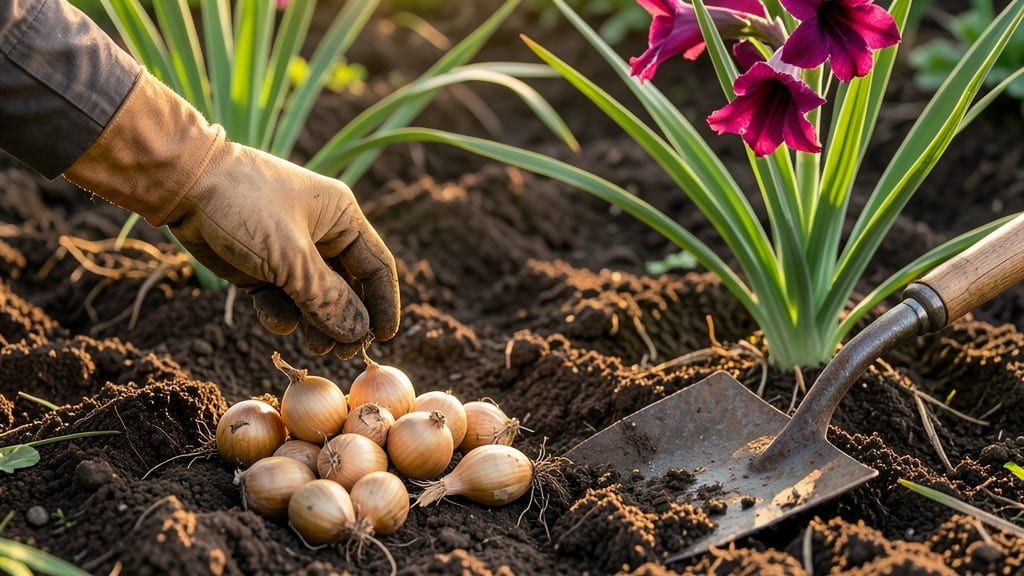
Planting your Gladiolus 🌸 bulbs at the wrong time in Oregon could mean the difference between a stunning summer display and a sad, wilted disappointment.
The key isn't just waiting for spring—it's tracking soil temperatures and last frost dates that vary wildly between Portland's coastal fog and Bend's high desert heat.
Most gardeners in USDA zones 7b-9a assume June is safe, but Eastern Oregon's later frosts (sometimes as late as May 15) demand patience. Meanwhile, coastal areas can plant earlier thanks to marine influence delaying warming.
I'll show you exactly when to put those bulbs in the ground for zero-frost survival and maximum bloom time.
You'll discover how to use simple soil thermometers to confirm 60°F triggers—because planting too soon in cold soil stunts roots, while waiting too long risks summer heat stress. Plus, I'll share Oregon-specific tricks to extend your Gladiolus 🌸 season from July through frost.
Whether you're in the Willamette Valley or the high desert, these timing secrets will help you avoid the 5 most common mistakes Oregon gardeners make. Let's get those dramatic spikes blooming on schedule!
Oregon’s gladiolus planting timeline by microclimate zone
Oregon’s diverse climate—from the Willamette Valley’s marine-influenced mildness to the Eastern Oregon high desert’s rapid temperature swings—demands precision when planting gladiolus bulbs. These tender perennials thrive when soil temperatures hit 50-60°F consistently, but late-spring frosts can still strike after official frost dates.
In USDA zones 7b-9a, timing isn’t just about months—it’s about microclimate math.
The key? Planting 4-6 weeks after your last frost date, but only when soil 2-3 inches deep reaches 60°F. Coastal areas like Astoria may wait until late May, while Bend’s high desert can start as early as mid-April.
This soil temperature trigger is more reliable than calendar dates alone.
Why the difference? Western Oregon’s marine layer keeps soils cooler longer, while Eastern Oregon’s dry heat warms up faster. A 3-week gap in planting windows exists between these regions—miss it, and your glads either rot in cold soil or bolt in summer heat.
Gladiolus Planting Timeline by Oregon Microclimate
| Microclimate Zone | Last Frost Date | Ideal Planting Window | Soil Temp Trigger | Bloom Period |
|---|---|---|---|---|
| Willamette Valley (Portland, Eugene) | April 15 | May 15–June 15 | 60°F (2-3" deep) | July–September |
| Coastal (Astoria, Newport) | May 1 | June 1–July 1 | 55°F (cooler soils) | August–October |
| High Desert (Bend, La Grande) | May 15 | April 15–May 1 | 50°F (warms fast) | June–August |
| Mount Hood Foothills (Hood River) | April 20 | May 10–June 10 | 58°F (elevation delay) | July–September |
*Bloom periods extend into fall in cooler zones. Adjust for late-spring cold snaps by using row covers if needed.
In the Willamette Valley, where USDA zone 8a dominates, aim for May 15–June 15 planting. Here, soil temperatures hit 60°F reliably by early June, giving glads 3 months of growth before fall frosts.
But don’t rely solely on dates—check soil temps with a thermometer or watch for dandelions blooming, a natural indicator.
Eastern Oregon’s high desert (zones 6b-7a) is trickier. Bend’s rapid warming means you can plant as early as April 15, but late frosts can still occur. Use black plastic mulch to warm soil faster and protect young shoots.
In contrast, coastal Oregon (zones 7b-8a) may not reach 55°F until June, delaying planting until late May or June.
Pro tip: For extended blooms, stagger plantings every 2 weeks. Start with early varieties in May, then add mid-season types in June. This ensures continuous color from July through September—even if a late frost nips the first batch.
Just remember: gladiolus roots are shallow, so mulch heavily to insulate against temperature swings.
One critical mistake Oregon gardeners make? Ignoring elevation impacts. A 1,000-foot rise can push planting dates back by 2 weeks. For example, Hood River’s cooler microclimate (zone 7b) may need to wait until May 10 even if Portland starts earlier. Always adjust for your specific elevation.
Soil temperature secrets: how to Test and time gladiolus planting like a pro
Timing gladiolus planting in Oregon isn’t just about dates—it’s about soil temperature. Coastal areas like Astoria may still see 40°F soils in June, while inland Bend hits ideal 60°F by late May. A soil thermometer becomes your most reliable tool to avoid frost damage or stunted growth.
Gladiolus bulbs need consistent warmth to sprout, but they’re frost-sensitive once shoots emerge. The 2-3 inch depth for testing captures the root zone where bulbs will thrive. Coastal gardens often lag 2-4 weeks behind inland areas due to ocean breezes keeping soils cooler.
For coastal gardeners, June 15 is a safer bet than Memorial Day weekend. Inland regions can start as early as mid-May if soils are warm. Pro tip: Pre-warm your planting area by covering soil with clear plastic for 1-2 weeks before bulbs go in.
Remember, gladiolus bulbs are not frost-tolerant once shoots appear. If your soil thermometer shows 50°F at night after planting, use frost blankets until daytime highs consistently exceed 65°F. Coastal areas often need this protection until July 4th.
By mastering these soil temperature secrets, you’ll transform Oregon’s unpredictable climate into a predictable gladiolus blooming machine. The key is patience—wait for the soil, not just the calendar. 🌱