
Plants
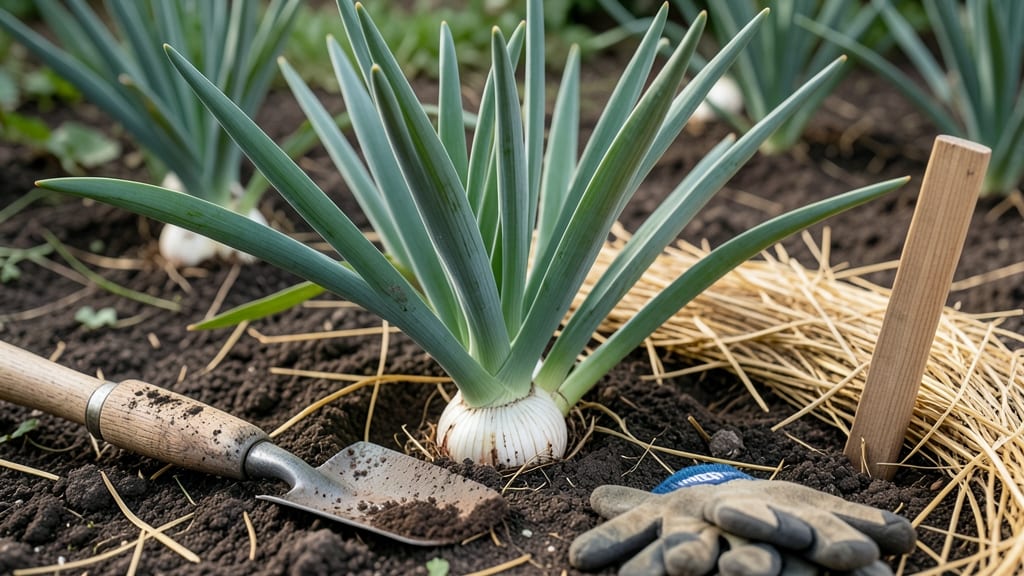
Planting garlic at the wrong time in Western North Carolina can turn your 🧄 dreams into disappointment—so timing is everything, especially when choosing between hardneck and softneck varieties. This region’s unique climate, with its cool mountain air and unpredictable frosts, demands precision to grow plump, flavorful bulbs.
Most gardeners in zones 6b-7a know fall is the magic window, but the exact timing matters more than you’d think. Plant too early, and your garlic might bolt; too late, and frost will stunt growth.
I’ll break down the perfect October-November schedule so you can avoid common mistakes that ruin harvests.
Whether you’re a first-timer or a seasoned grower, you’ll learn how to adjust for Western NC’s microclimates—from Asheville’s high elevations to the warmer valleys. Ready to grow garlic that rivals the best from the farmers’ market? Let’s get those cloves in the ground the right way.
By the end, you’ll know exactly when to plant, how to prep your soil, and what to watch for so your harvest in late June is the best yet. No more guesswork—just bigger, tastier garlic every year.
Best planting months for garlic in Western NC (hardneck vs softneck)
Western NC’s USDA Zones 6b-7a create perfect conditions for growing garlic—but only if you plant at the right time. The cool mountain climate means hardneck varieties thrive here, while softneck types require adjustments.
For best results, aim to plant 4-6 weeks before the ground freezes, typically between early October and mid-November. This timing ensures garlic establishes roots before winter dormancy begins.
Hardneck garlic (Allium sativum var. ophioscorodon) is the star of Western NC gardens, producing those prized hardneck scapes and larger bulbs. Softneck varieties, while less common here, can still grow but need slightly different timing.
The key difference? Hardnecks require cold vernalization to form bulbs, while softnecks are more flexible with timing.
Here’s the critical comparison for planting both types in Western NC:
| Factor | Hardneck Garlic | Softneck Garlic |
|---|---|---|
| Optimal Planting Window | Mid-October to early November | Late September to early December |
| Soil Temperature | 40-50°F (4-10°C) | 50-60°F (10-15°C) |
| Frost Requirement | Needs 40-60 days below 40°F | Tolerates milder winters |
| Adjust for Early Frost | Plant by October 15 in high elevations | Can plant until December 1 in valleys |
| Best Varieties for WNC | Music, Chesnok Red, German White | Silverskin, Artichoke |
For hardneck garlic, the 40-60 days below 40°F is non-negotiable. In Western NC’s higher elevations (like Asheville or Boone), this means planting by mid-October. In lower valleys (such as Hendersonville or Brevard), you might stretch until early November.
Use a soil thermometer to confirm—plant when temps consistently hit 50°F (10°C) at 4 inches deep.
Softneck varieties are more forgiving but still benefit from cool fall temperatures. If you’re experimenting with these, aim for late September to early December. The later you plant, the smaller your bulbs will be, but they’ll still store better than hardnecks.
For both types, avoid planting after the first frost—the shock can stunt root growth.
Western NC’s microclimates play a huge role in timing. In high-elevation areas (above 3,000 feet), frost arrives earlier. Check your local NC State Extension office for your specific first frost date.
For example, Boone typically sees frost by October 15, while Hendersonville might wait until November 1. Adjust your planting window accordingly.
One pro tip: If your fall is unusually warm, delay planting until soil temps drop. Garlic cloves won’t sprout until conditions cool. Conversely, if winter arrives early, plant as soon as soil is workable—even if it’s September.
The goal is to give garlic 6-8 weeks of root growth before dormancy sets in.
After planting, mulch heavily with straw or leaves (4-6 inches) to insulate bulbs through winter. This protects against freeze-thaw cycles and helps maintain steady soil temps. In spring, remove mulch gradually as temps rise to prevent rot.
Your garlic will reward you with bold flavors and robust harvests if you nail the timing.
🌱
How to adjust your planting schedule for Western NC’s microclimates
Western NC’s mountain microclimates create unique challenges for garlic growers. High-elevation areas like Asheville and Boone (USDA Zone 6b) experience earlier frosts and cooler soils than valley regions (Zone 7a). These differences can shift your planting window by 2-4 weeks, so understanding your local conditions is key to success.
For high-elevation gardens, aim to plant garlic 4-6 weeks before your first hard frost—typically between mid-September and early October. In lower valleys, you’ve got a little more flexibility, with planting extending into early November.
The goal is to give garlic roots time to establish before winter dormancy begins.
Soil temperature is your best guide. Wait until soil reaches 50-60°F at a depth of 3 inches. Use a soil thermometer for accuracy—cool mountain soils often lag behind valley areas by 1-2 weeks. In Asheville, this usually means waiting until late September, while valleys can start earlier.
Unpredictable mountain weather is another factor. Western NC’s valleys can experience sudden warm spells in late fall, while high elevations may see early snow. Always have row covers or cold frames ready to protect young plants.
If you’re in a microclimate pocket (like a sheltered south-facing slope), you might push planting dates 1 week later than surrounding areas.
For softneck varieties, which are less cold-hardy, stick to the earlier planting window (mid-September) regardless of elevation. These varieties need warmer soil temperatures to establish roots quickly.
If you’re experimenting with organic garlic, consider planting 1/3 of your crop in September and the remaining 2/3 in October to stagger harvests.
Finally, don’t overlook the power of local knowledge. Check with your county extension office (like NC State’s Mountain Horticultural Crops Research station) for hyper-local advice. In Boone, for example, gardeners often plant 2 weeks earlier than the general guideline due to cooler nights.
Adjust your schedule based on what works for your specific garden’s microclimate—that’s how you’ll get the biggest, healthiest bulbs.