
Plants
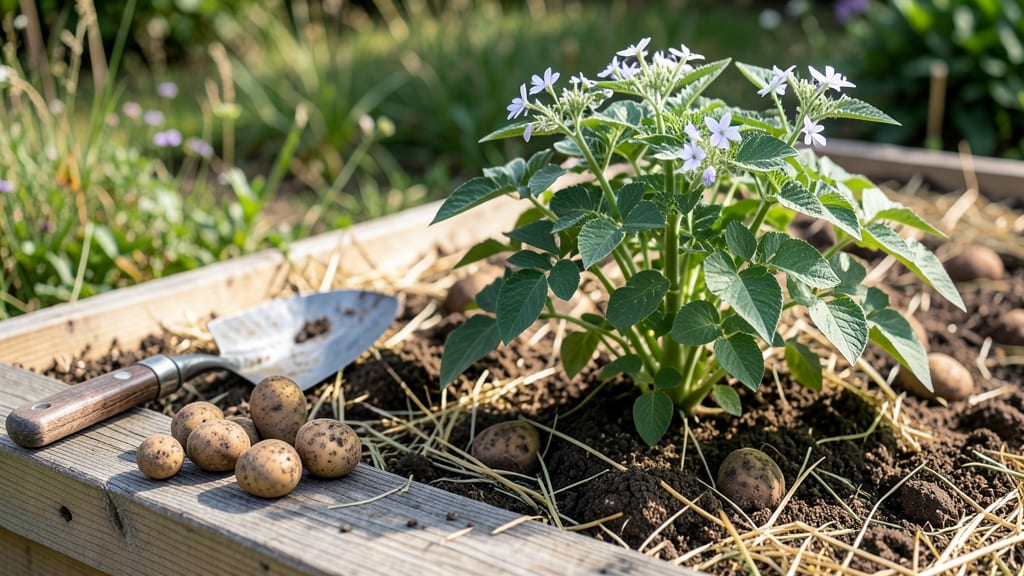
When is the best time to plant potatoes in North Carolina? Timing your 🥔 potato planting just right can mean the difference between a bumper harvest and wasted effort. If you plant too early, frost will nip your young sprouts before they even break ground, while waiting too long might leave you with stunted tubers by harvest time.
North Carolina’s varied climate zones—from the cool mountain regions to the warmer coastal plains—create a tricky balance. What works perfectly in Zone 7 of the Piedmont might fail in Zone 8 near the coast.
The key is knowing your last frost date and adjusting your schedule accordingly to give those potatoes the best shot at thriving.
I’ve planted potatoes across different NC regions, and I’ve learned that the ideal window isn’t just about the calendar—it’s about soil temperature, variety selection, and even microclimates in your backyard. With the right approach, you can start harvesting as early as June and keep the bounty coming well into fall.
Ready to unlock the secrets to zero-frost success? Let’s break down the exact planting dates for your county, plus pro tips to extend your growing season and avoid common mistakes that derail even the most eager gardeners.
North Carolina potato planting timeline by climate Zone: exact dates for frost-free success
North Carolina’s four distinct climate zones create wildly different potato planting windows. The Mountains (Zones 6-7) get a 3-4 week earlier start than the Coastal Plain (Zones 8-9). Even within zones, microclimates can shift planting by weeks—so knowing your last-frost dates and soil temperature thresholds is critical for success.
Potatoes thrive when soil reaches 45-55°F—too cold, and germination stalls; too warm, and tubers sprout prematurely. In NC, this typically means planting 2-4 weeks after your average last frost date, but soil temperature trumps calendar dates.
For example, Asheville (Zone 7) might see 45°F soil by early March, while Wilmington (Zone 8) waits until mid-April.
Here’s your zone-specific planting timeline, including last-frost averages, ideal soil temps, and recommended planting windows for both spring and fall crops. Use these as your frost-free planting guide to maximize yields.
For microclimate adjustments, check your local frost data via the NC State Climate Office or Almanac.com. For example, high-elevation areas like Blowing Rock (Zone 6a) may plant as early as March 1, while low-lying coastal spots like Hatteras Island (Zone 8b) might wait until April 20.
If you’re planting seed potatoes (not sprouted), wait until soil temps are consistently 50°F+—this prevents rot and encourages even germination. Use a soil thermometer to confirm; 45°F is the minimum safe temp, but 55°F is ideal for most varieties.
For fall potatoes, aim to plant 8-10 weeks before your first-frost date. In the Mountains, this means July plantings; in the Coastal Plain, August works. Late varieties like Russet Burbank need the extra time to mature before winter sets in.
Pro tip: Chit your seed potatoes (sprout indoors) 4-6 weeks before planting to give them a head start. Place them in a bright, cool spot (60°F) and they’ll sprout faster once in the ground. This 2-3 week advantage helps if you’re planting near your last-frost window.
Remember: Soil prep matters. Work in compost and aged manure to warm soil faster, and avoid wet, cold spots where potatoes rot. If your soil runs cold longer than average, consider black plastic mulch to raise temps by 5-10°F.
With these zone-specific dates, you’ll avoid frost damage and stunted growth while maximizing your harvest window. Whether you’re in the
How to adjust your planting schedule for early vs. late varieties: maximizing your harvest window
North Carolina gardeners can stretch their potato harvests from June to October by choosing the right varieties and planting times. Early-maturing 60-90 day potatoes like 'Yukon Gold' give quick rewards, while 100-130 day varieties like 'Russet Burbank' reward patience with larger yields.
The key is matching your variety to your climate zone and planting schedule.
Planting too early risks frost damage to tender sprouts, while waiting too late may mean small harvests before fall frosts. In the Mountains, aim for March-April plantings, while Coastal gardeners can start as early as February in protected beds.
The Piedmont sits in between, with ideal planting windows from March to early April.
Comparison Table: Early vs. Late Potato Varieties in NC
For continuous harvests, I recommend planting two batches: one with early varieties in March and another with late varieties in May.
This strategy works especially well in the Piedmont, where 60-day potatoes like 'Red LaSoda' can be harvested by June, while 120-day 'Kennebec' potatoes mature in September.
In Coastal NC, where winters are milder, you can even plant late varieties as early as February under row covers to extend your growing season. However, avoid planting too early in sandy soils, as they warm up faster and may dry out young plants.
Always check your local frost dates and aim to plant when soil reaches 45°F.
To maximize your harvest window, consider succession planting every 2-3 weeks after your initial planting. This ensures a steady supply of fresh potatoes from June through October. Just remember: late varieties need more time in the ground, so don't rush them—patience pays off with larger tubers.
Pro tip: Use straw mulch to protect your late-season potatoes from early fall frosts. This simple trick can add 2-3 extra weeks to your harvest in cooler Mountain regions. With the right timing and variety mix, you'll enjoy homegrown potatoes for months!