
Plants
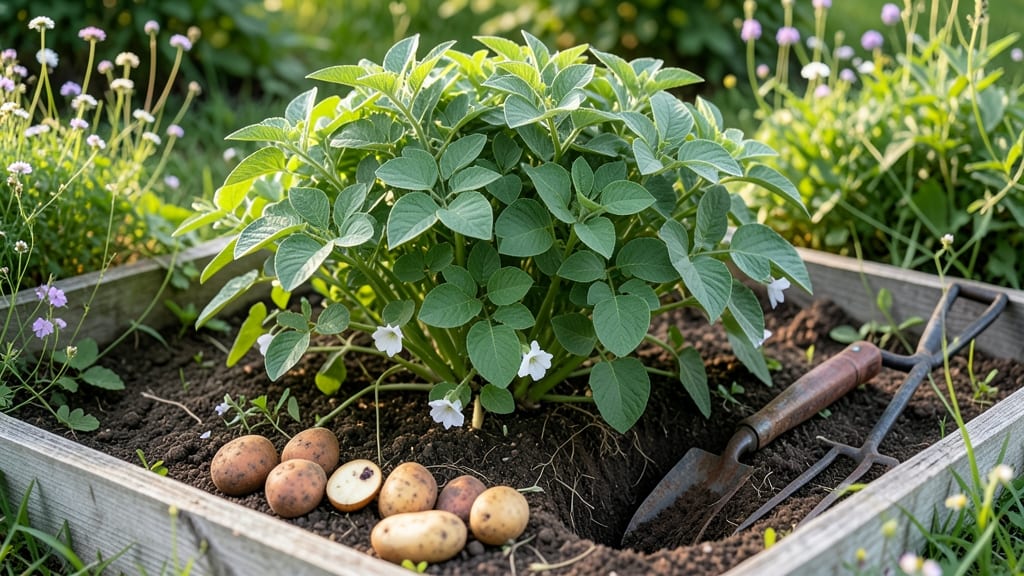
Planting potatoes in Georgia at the wrong time can mean the difference between a bountiful harvest and a total flop—especially when you're dealing with the state's unpredictable spring weather.
The key to success lies in knowing exactly when to put those 🥔 spuds in the ground, whether you're in the cooler 7b zones or the warmer 8b regions.
Most gardeners assume you can just plant potatoes as soon as the soil warms up, but Georgia's climate throws a curveball with early frosts in March and sudden heat spikes by April.
That's why timing matters more than you might think—plant too early, and frost will nip your seedlings; too late, and your yield suffers.
In this guide, I’ll break down the perfect planting windows for Georgia’s zones, including when to start early varieties in February and when late-season plantings in May still work. You’ll also learn how to adjust for your local microclimate, whether you’re battling humidity in Savannah or cooler nights in Atlanta.
Ready to grow potatoes that thrive? Let’s get into the exact months, soil prep tricks, and variety choices that’ll give you a harvest from June through August—no guesswork required.
Georgia’s potato planting calendar: exact months by hardiness zone (7a-8b)
Georgia’s climate zones 7a-8b offer a 180-210 day growing season—perfect for potatoes—but timing matters. Plant too early, and frost zaps your sprouts. Plant too late, and your harvest shrinks. The key? Soil temperature (aim for 45°F+) and last frost dates, which vary by microclimate (e.g., Atlanta vs. Savannah).
Most Georgia gardeners succeed with two planting windows: early (February-March) for fast-maturing varieties like Red Pontiac, and late (April-May) for storage potatoes like Yukon Gold. Below, we break it down by zone, including regional adjustments for humidity and heat.
⚠️ PRO TIP: Use a soil thermometer—potatoes won’t sprout until soil hits 45°F for 10+ days. In zone 8b (e.g., Savannah), this often means waiting until mid-March, while zone 7a (e.g., Blue Ridge) may start in late February.
| Zone | Last Frost Date | Ideal Planting Window | Soil Temp Requirement | Best Varieties | Harvest Window |
|---|---|---|---|---|---|
| 7a (e.g., Blue Ridge) | Mid-March | Late February–Early March | 45°F+ (consistent) | Red Pontiac, Kennebec | Late June–Early July |
| 7b (e.g., Athens) | Early March | Mid-March–Early April | 45°F+ (consistent) | Yukon Gold, Purple Viking | Mid-July–Early August |
| 8a (e.g., Macon) | Late February | Early March–Mid-April | 50°F+ (warmer soil) | Adirondack Red, Fingerling | Late June–Mid-July |
| 8b (e.g., Savannah) | Mid-February | Mid-March–Late April | 55°F+ (humidity-friendly) | Sweet Potato (alternative), Katahdin |
How to adjust planting time for Georgia’s unpredictable weather patternsGeorgia’s unpredictable weather can turn your potato planting plans upside down—one day 70°F sunshine, the next a 30°F surprise. The key to success? Flexibility. I’ve learned to watch for soil temperature consistency at 45°F+ and adjust planting dates based on local microclimates, not just the average last frost date. Even in USDA zones 7b-8b, Georgia’s humidity and temperature swings demand smart adjustments. For example, my mountain garden in northeast Georgia often gets frost a week later than Atlanta’s urban heat islands. That’s why I always check local weather stations like the University of Georgia’s Ag Climate tools to pinpoint my personal last frost date. ⚠️ callout-warning
⚠️ Georgia’s Frost Trickiness
Don’t rely on average frost dates—they’re just guesses! In 2023, Athens saw frost March 15th, but Savannah stayed frost-free until April 1st. Calculate your own by averaging the last 5 years of local data from Almanac.com or Georgia Weather Network. Pro tip: Plant early varieties like Yukon Gold 4-6 weeks before your calculated frost date, and late varieties like Red Pontiac after soil warms to 50°F. To protect early plantings, I use floating row covers (like Agribon) to shield seedlings from late frosts. These lightweight fabrics raise soil temps by 5-8°F and block 32°F winds. For extended growing seasons, I’ve had success with cold frames—they let me plant fall potatoes as late as July in zone 8a. Another trick? Soil insulation with black plastic mulch warms the ground faster. I lay it down 2 weeks before planting spring potatoes and cut X-shaped holes for each seed potato. This method adds 10°F to soil temps and speeds up sprouting in chilly early springs. For fall planting, aim for September-October in northern Georgia or October-November in southern zones. Use early-maturing varieties like Kennebec (60 days) to harvest before first frost. I always mark my planting dates on a garden journal to track what works each year—because in Georgia, last year’s perfect timing might be this year’s disaster. Remember: Potatoes hate soggy soil. If you’re planting in wet springs (like 2023’s record rains), raise beds or plant on mounds to prevent rot. And never skip the soil test—Georgia’s clay-heavy soils often need amendments like compost or sand for drainage. |