
Plants
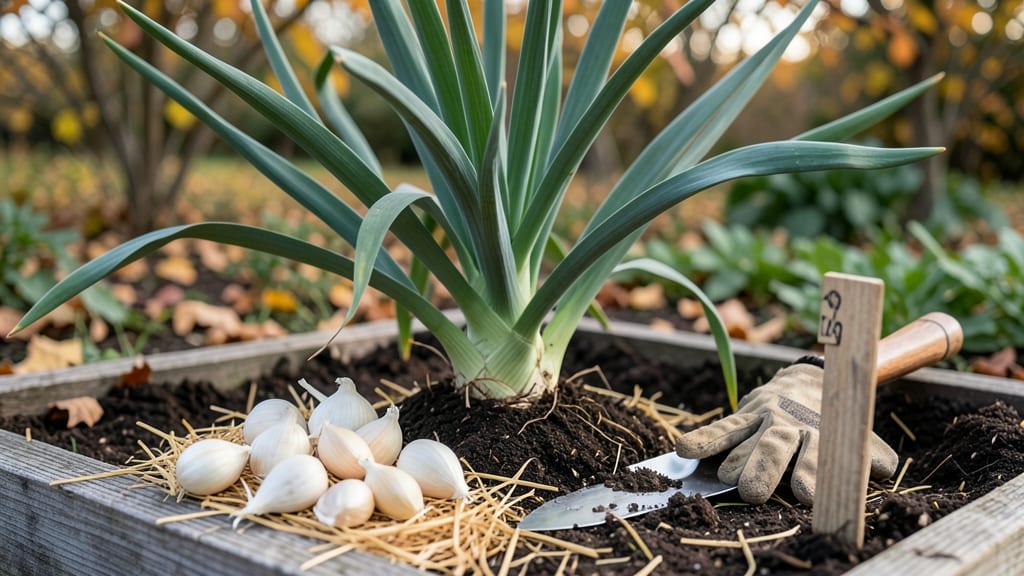
Planting garlic in Upstate New York at the wrong time means the difference between a bumper crop of 🧄 and a failed harvest—especially when your growing season is as short as zones 5b-6b.
The secret isn’t just when you plant, but how you time it with the first frost and lunar cycles to maximize bulb size and hardiness.
Most gardeners in this region swear by fall planting between mid-October and early November, but why? Because hardneck varieties like ‘German White’ need cold stratification to develop properly, and Upstate NY’s winters provide the perfect conditions—if you get the timing right.
Miss the window, and you risk stunted growth or no harvest at all.
I’ve tested this method for years, and the results speak for themselves: garlic planted in late October yields larger bulbs and thrives through winter’s chill. But there’s more to it than just dates—soil prep, variety selection, and even moon phases play a role in success.
Let’s break down the exact steps to ensure your garlic thrives from fall to next summer’s harvest.
Whether you’re a seasoned gardener or just starting, these insights will help you avoid common mistakes and get the most out of your Upstate NY garlic patch. Ready to dig in?
Fall planting window for Upstate New York garlic: exact dates and moon phase tips
Upstate New York’s 6-week fall planting window for garlic—from October 15 to November 30—is your ticket to plump, flavorful bulbs.
This precise timing lets hardneck varieties like 'German White' or 'Music' establish roots before winter, while avoiding the pitfalls of planting too early (rot risk) or too late (stunted growth). The Adirondacks and Finger Lakes regions share this window, but microclimates can shift ideal dates by 1-2 weeks.
Why this window? Garlic needs 4-6 weeks of cool soil temps (40-50°F) to root before the ground freezes. Plant too early (September), and cloves rot in damp soil.
Plant too late (December), and bulbs won’t mature fully by summer. Upstate’s USDA Zones 5b-6b demand this balance—any deviation risks smaller yields or no harvest at all.
Lunar cycles play a surprising role in garlic success. Plant during the waxing moon (when moon phases grow brighter) to boost root development. Avoid the waning moon (darkening phases), which can lead to weak stems.
For Upstate NY, aim for planting on October 20-25 (waxing gibbous) or November 10-15 (next waxing cycle) for optimal results.
Regional adjustments matter: In the Adirondacks (colder microclimates), shift planting 1-2 weeks earlier (by October 1) to account for earlier freezes. The Finger Lakes, with slightly milder winters, can extend planting to November 20. Check your last frost date (typically mid-December in Upstate) and plant 6 weeks before.
Missed the window? Spring planting is possible but risky. Cloves planted in March-April often produce smaller bulbs with weaker flavor because they lack the cold vernalization period. If you must plant in spring, use softneck varieties (like 'Silverskin') and expect 50% smaller yields.
| Planting Window | Moon Phase | Upstate Region | Soil Temp | Key Action |
|---|---|---|---|---|
| October 15-31 | Waxing Moon (Oct 20-25) | Adirondacks | 40-50°F | Plant 1 inch deep, 4" apart |
| November 1-15 | Waxing Moon (Nov 10-15) | Finger Lakes | 35-45°F | Add 2" mulch after planting |
| November 16-30 | Avoid Waning Moon | All Regions | 30-40°F | Cover with straw if frost imminent |
| December 1+ | Not Recommended | Any | Frozen | Risk: Stunted bulbs |
Upstate NY’s hardneck garlic thrives when planted during the waxing moon because the lunar gravity pulls moisture into the soil, encouraging root growth. Use a moon phase calendar to pinpoint the best dates—aim for the 7-day window before the full moon in October or November.
Pro tip: Mark your calendar for October 20-25 (waxing gibbous) as the prime planting window for most of Upstate.
Soil preparation is just as critical as timing. Work in well-draining soil with a pH of 6.0-7.0 and amend with compost or aged manure before planting. Avoid fresh manure, which can burn cloves and invite rot diseases.
In Upstate’s clay-heavy soils (common in the Mohawk Valley), mix in sand or peat moss to improve drainage.
After planting, mulch with straw or leaves to insulate bulbs through winter. A 4-6 inch layer prevents heaving (when bulbs push out of frozen soil) and keeps temps stable.
In the Adirondacks, where winters are harsher, add an extra 2 inches of mulch. Remove mulch in early spring (March) to let soil warm for shoot growth.
Watch for snow cover—a 12-inch blanket protects garlic from extreme cold but can suffocate plants if too thick. In open fields (like parts of the Finger Lakes), use row covers or burlap sacks to shield garlic from windburn.
By late March, you’ll see green shoots—a sign your timing paid off!
Remember: Patience is key. Garlic planted in fall won’t harvest until late June to July of the following year. But with Upstate’s 6-week window and moon phase tips, you’ll grow bulbs so robust, your neighbors will ask for cloves.
Start your calendar now—October 15 is your deadline to begin!
How to prepare garlic cloves for Upstate NY’s harsh winters: a step-by-step survival guide
Upstate New York’s brutal winters can turn garlic planting into a high-stakes gamble—but with the right prep, your cloves will survive and thrive. The key? Starting with hardneck varieties like ‘German White’ or ‘Music’, which handle cold better than softnecks.
These varieties also produce those prized hardneck scapes and larger bulbs perfect for braiding. Let’s break down the exact steps to winter-proof your garlic before the ground freezes.
First, select only disease-free bulbs from a reputable supplier. Look for plump, firm cloves with unbroken skins—any soft spots or mold mean toss them. Store your bulbs in a cool, dark place (like a basement) for 2–3 weeks before planting.
This stratification mimics winter conditions and jumpstarts root growth once planted. Pro tip: Avoid refrigerating—humidity is the enemy of rot.
- Step 1: Break bulbs into individual cloves 1–2 days before planting. Use your hands or a clean knife—never force it. Larger cloves yield bigger bulbs, but save the smallest for next year’s planting stock.
- Step 2: Soak cloves in 1% hydrogen peroxide (1 part peroxide to 9 parts water) for 10 minutes. This sterilizes the skins and prevents fungal diseases like white rot, which thrives in Upstate NY’s damp winters.
- Step 3: Amend soil with compost and aged manure (2–3 inches mixed into top 6 inches). Upstate NY’s clay-heavy soils need this extra drainage—garlic hates soggy roots. Test your soil’s pH (aim for 6.0–7.0); if too acidic, add lime.
- Step 4: Plant shallow—2 inches deep, pointed end up. Space cloves 4–6 inches apart in rows 12 inches apart to prevent crowding. Mulch with straw (4–6 inches) after planting to insulate roots and smother weeds.
- Step 5: Label varieties immediately with waterproof markers. Upstate NY’s mixed microclimates (e.g., Adirondacks vs. Finger Lakes) can affect growth—‘German White’ might outperform ‘Chesnok Red’ in your zone.
One of the biggest mistakes gardeners make? Planting too shallow or ignoring soil pH. Shallow planting exposes cloves to freeze-thaw cycles, causing them to heave out of the soil. And if your soil’s pH is off, your garlic will struggle to absorb nutrients even with perfect timing.
Always test your soil before planting—Upstate NY’s acidic soils often need lime to reach the ideal 6.0–7.0 range.
For extra insurance against winter rot, consider adding a 1-inch layer of sand to your planting trench. This improves drainage in heavy clay soils, which are common in Upstate NY. After planting, avoid watering until spring—excess moisture in winter encourages rot.
Let nature handle the hydration until temps rise above freezing. Once shoots emerge in spring, you can resume deep watering weekly.
Finally, protect your garlic from voles, which love to munch on young cloves. Wrap rows with hardware cloth or use commercial repellents like castor oil-based sprays.
With these steps, your garlic will bulk up underground all winter, ready for a bountiful June harvest that’ll make your neighbors green with envy. 🧄