
Plants
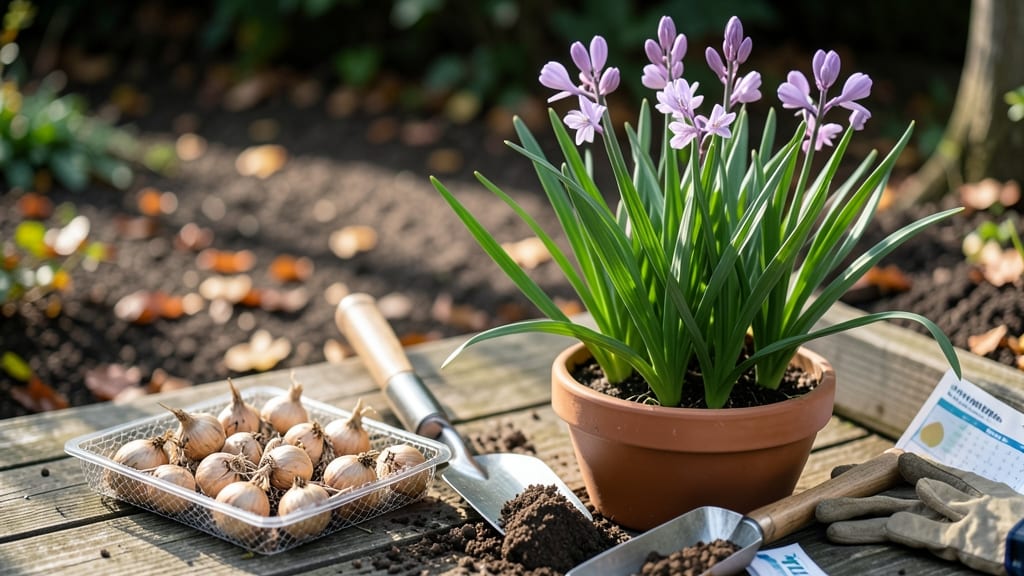
Planting freesias at the wrong time in the UK could mean waiting months—or even missing their fragrant blooms altogether. These delicate 🌸 freesias thrive when planted during two key windows: late summer for spring flowers or early spring for summer displays, but getting the timing right depends on your region.
In milder southern areas like Devon or Cornwall, you can push planting to November for spring blooms, while cooler northern regions—think Edinburgh or Manchester—should aim for September to October to avoid frost damage. The secret lies in soil warmth and regional microclimates, which can shift your ideal window by weeks.
Whether you're growing from bulbs or seeds, I’ll break down the exact months for each UK region, plus pro tips to extend your freesias’ flowering season. No more guessing—just vibrant, show-stopping blooms that arrive right on schedule.
Ready to transform your garden? Let’s dive into the planting calendar that’ll have your freesias blooming like clockwork, no matter where you live in the UK.
UK freesia planting months by region: a seasonal breakdown
Freesias are frost-sensitive bulbs that thrive in the UK’s mild climate, but their planting window varies dramatically by region. In England’s southern counties like Cornwall, you can plant as early as August, while Scotland’s Highlands demand November planting to avoid winter frost damage.
Understanding these regional differences ensures your freesias bloom vibrantly from spring to summer. Let’s break down the ideal months for each UK region, accounting for soil temperature and frost risk.
Freesias need soil temperatures above 10°C (50°F) to germinate properly. In the UK, this typically aligns with late summer to early autumn, but cooler regions like Northern Ireland may require delaying planting until October.
Warmer microclimates, such as London or Southeast England, can even support March planting for summer blooms. Always check your local last frost date—planting too early risks bulb rot in cold, wet soil.
Key factors to consider when timing your freesia planting:
- Frost risk: Avoid planting when frost is forecast within 6 weeks
- Soil warmth: Aim for 10-15°C (50-59°F) soil temps
- Regional microclimates: Coastal areas stay warmer longer than inland
- Bloom timing: Earlier planting = earlier flowers
For summer blooms, plant freesia bulbs in March-April across all UK regions. This later planting takes advantage of warmer spring soils and extends your flowering season into July-September. However, be prepared to protect young shoots with fleece if late frosts occur, especially in Scotland and Northern Ireland.
I’ve found that container-grown freesias give me more control—simply move pots indoors if frost threatens.
If you’re in a coastal microclimate, like Cornwall or Devon, you can push planting to July-August for autumn blooms.
How to time freesia planting for maximum blooms: pro tips
Getting your freesia planting timing right is the secret to those fragrant, vibrant blooms that brighten up British gardens. In the UK, freesias thrive when planted at the perfect moment—too early, and frost can damage tender bulbs; too late, and you’ll miss their spring or summer flowering windows.
The key lies in understanding staggered planting and bulb chilling techniques to sync growth with your local climate.
Most gardeners in the UK plant freesia bulbs in late summer to early autumn (August to October) for spring blooms, or in early spring (March to April) for summer flowers.
However, regional differences matter—cooler northern areas like Scotland may need an earlier start, while milder southern regions can push planting slightly later. Adjusting for soil temperature (aim for 10°C or above) ensures strong root development before winter.
- 📅 Plant bulbs 6-8 weeks before first frost (typically September-October for UK gardens).
- ❄️ Chill bulbs for 8-12 weeks at 4-7°C to mimic winter dormancy (use a fridge or cold frame).
- 🌱 Stagger plantings every 2-3 weeks for extended blooms from spring to early summer.
- ☀️ Choose a sunny spot with well-draining soil—freesias hate soggy roots.
- 💧 Water lightly after planting but reduce in winter to prevent rot.
One of my favorite tricks is staggered planting. By spacing out your bulbs every 2-3 weeks, you’ll enjoy a continuous display of blooms from late spring through summer. For example, plant one batch in early September, another in mid-September, and a final batch in early October.
This ensures fresh flowers when earlier batches fade, extending your garden’s appeal.
Don’t overlook bulb chilling, a game-changer for UK gardeners. Freesias need a cold period to break dormancy. Place bulbs in a paper bag with damp peat moss and refrigerate for 8-12 weeks before planting.
This mimics the natural winter cycle and jumpstarts growth in spring. Skip this step, and you risk weak stems or sparse blooms.
Avoid these common mistakes: planting in heavy clay soil (amend with compost), overwatering (freesias rot easily), or exposing them to late frosts. If your spring arrives early or late, adjust planting dates by 2-4 weeks.
For example, if frost lingers into May, delay spring plantings until mid-April to avoid damage. Always monitor your local frost forecasts for real-time adjustments.
After planting, focus on minimal but consistent care. Freesias need moderate watering (about 500ml per plant weekly) and well-draining soil. Once flowers appear, deadhead spent blooms to encourage more buds.
With these pro tips, your freesias will reward you with bold, fragrant blooms that outshine store-bought bouquets. Happy gardening! 🌸