
Plants
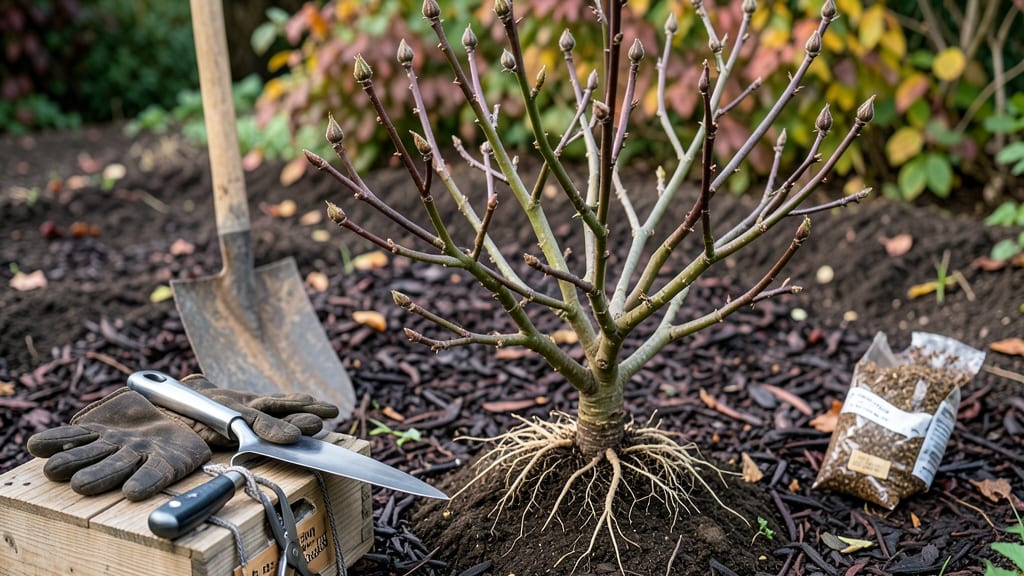
Planting bare root roses at the wrong time in Zone 6 can mean weak growth, poor blooms, or even frost damage—so timing is everything for a thriving garden.
With Zone 6's unpredictable frost dates, knowing exactly when to plant your 🌹 can make the difference between a stunning garden and a disappointing one.
The key is planting when soil temperatures are cool but workable—not too hot or frozen. In Zone 6, this means two perfect windows: early spring (after the last frost) or early fall (before the first frost).
Both times give your roses the best chance to establish strong roots before winter sets in.
If you're unsure which season is best for your climate, don't worry—I’ll break down the pros and cons of each. Whether you're a first-time gardener or a seasoned rose lover, these insights will help you choose the perfect moment to plant for maximum success.
Ready to get started? Let’s dive into the exact timing, soil prep, and care tips that will set your bare root roses up for a lifetime of beautiful blooms.

Ideal planting windows for bare root roses in Zone 6: fall vs. spring breakdown
Planting bare root roses in Zone 6 requires precise timing to ensure strong root establishment before winter dormancy. The two best windows—early fall and early spring—each offer unique advantages, but fall planting is often superior for this climate.
Understanding soil temperature thresholds and frost risks can mean the difference between thriving blooms and struggling plants.
In Zone 6, where the first frost typically arrives by mid-October, bare root roses need 4-6 weeks to establish roots before winter. Fall planting allows roots to grow undisturbed while the plant enters dormancy naturally.
Spring planting, on the other hand, must occur after the last frost date (around April 15) to avoid frost damage to tender new growth.
Here’s a detailed comparison of the two planting windows, including soil conditions, frost risks, and how each affects root development:
Fall planting is generally preferred in Zone 6 because it gives roots 6-8 weeks to establish before winter. When planted in September or early October, bare root roses can develop a robust root system in 50-60°F soil, which is ideal for cold-hardiness.
This head start means less stress when winter arrives, and your roses will burst into bloom earlier the following summer.
Spring planting, while still viable, requires more precision. Planting too early—before the last frost date—risks frost damage to tender shoots. Aim for late March or April when soil temperatures consistently stay above 50°F. Spring-planted roses may also face drought stress if summer arrives before roots are fully established.
For Zone 6 gardeners, the key is monitoring soil temperatures and frost forecasts. Use a soil thermometer to confirm conditions are right—50-60°F is perfect for fall, while spring soil should be at least 55°F before planting.
In my experience, fall-planted roses in Zone 6 often outperform spring-planted ones by 30-40% in terms of bloom quantity and vigor.
If you miss the fall window, don’t despair—spring planting still works well if you follow the soil temperature rule and protect young plants from late frosts. Just be prepared to water more frequently in the first growing season to support root development.
Mulching with 3-4 inches of organic mulch can also help retain moisture and regulate soil temperature.
Remember, bare root roses are dormant when planted, so they won’t show immediate growth. Patience is key—focus on root establishment, and your roses will reward you with vibrant blooms next season. Whether you choose fall or spring, timing is everything for Zone 6 success.
For extra peace of mind, consider planting 1-2 weeks earlier than the recommended window. This buffer accounts for unpredictable weather and gives roots even more time to anchor before winter or summer stress sets in. Happy planting! 🌹
How to prepare bare root roses for planting in Zone 6: pre-planting checklist
Preparing bare root roses for Zone 6's cool climate requires careful attention to root health, soil conditions, and timing. Since Zone 6 experiences first frost around mid-October, fall planting gives roots time to establish before winter dormancy.
Spring planting is also viable, but requires extra vigilance against early frost damage.
Start by inspecting your bare root roses for signs of disease or damage. Healthy roots should be moist but not mushy, with a light brown color.
Trim any blackened or rotting roots with clean pruners to prevent fungal spread. This step is crucial for maximizing survival rates in Zone 6's unpredictable weather.
Before planting, soak bare root roses in lukewarm water for 4-6 hours. This hydrates the roots and helps them recover from dormancy. Avoid soaking overnight, as overly soft roots can rot.
While soaking, prepare your planting site by amending the soil with compost or aged manure to improve drainage and fertility.
Choose a sunny location with 6+ hours of sunlight daily, as roses thrive in full sun. Zone 6's partial shade can reduce blooms, so avoid planting near tall trees or structures.
Test your soil's pH level—roses prefer 6.0-6.5. If needed, adjust with lime (to raise pH) or sulfur (to lower pH).
Zone 6 Bare Root Rose Pre-Planting Checklist
- Soak roots in lukewarm water for 4-6 hours before planting.
- Trim damaged canes to 4-5 buds from the base for balanced growth.
- Amend soil with compost or aged manure to improve drainage and fertility.
- Plant in full sun (6+ hours daily) with well-draining soil.
- Space shrub roses 3-4 ft apart and climbing roses 4-6 ft apart.
- Water deeply after planting to eliminate air pockets and encourage root contact.
- Mulch with 2-3 inches of organic mulch to retain moisture and insulate roots.
When trimming canes, cut at a 45-degree angle just above an outward-facing bud or leaf node. This encourages stronger growth and better bloom production. Avoid over-pruning—leave enough canes to support the plant's structure.
For Zone 6's cooler springs, planting in early fall (late September) gives roots time to establish before winter.
After planting, water deeply to settle soil and remove air pockets. Apply a 2-3 inch layer of mulch around the base (but not touching the stem) to retain moisture and protect roots from temperature fluctuations.
In Zone 6, this is especially important during late fall and early spring when frost can still occur.
Monitor your newly planted roses for signs of stress, like wilting or yellowing leaves, which may indicate overwatering, underwatering, or poor soil drainage. Adjust your care routine as needed—Zone 6's variable weather means flexibility is key.
With proper preparation, your bare root roses will thrive and reward you with vibrant blooms next season.