
Flowers
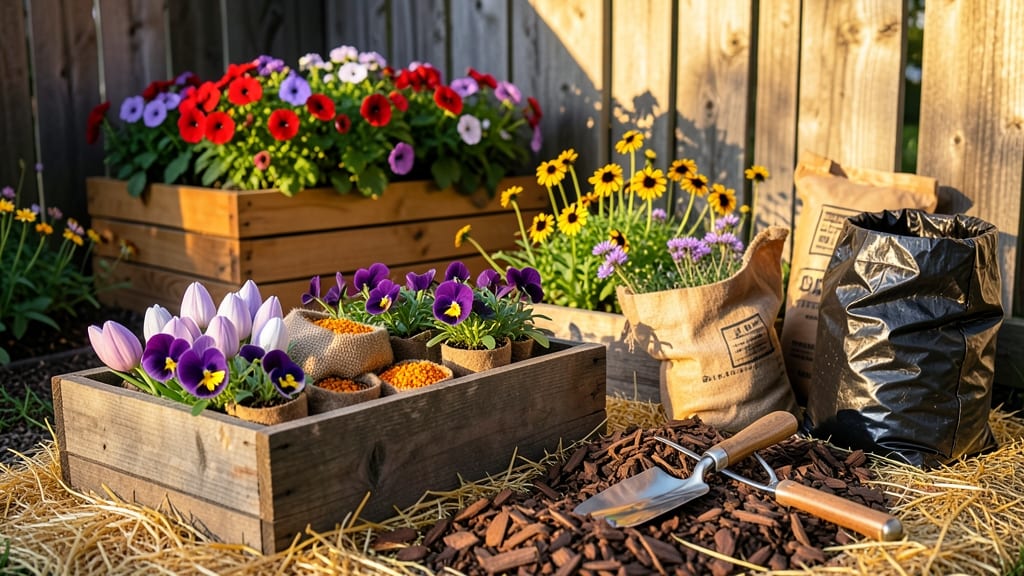
Planting flowers in New York isn't just about grabbing a packet of seeds and sticking them in the dirt—timing makes all the difference between a garden that bursts with color and one that fizzles out before summer even arrives.
With USDA zones 5a-7b and unpredictable spring frosts, knowing when to plant your favorite annuals, perennials, and bulbs can feel like solving a puzzle.
But here's the good news: once you master the right window, your garden will thrive year after year, no matter if you're in the bustling streets of NYC or the rolling hills of the Hudson Valley.
I'll break down the exact months to plant by region, so you can skip the guesswork. Whether you're dreaming of vibrant 🌸 marigolds in June or hardy mums in September, this guide keeps your blooms on schedule—no more waiting for frost to ruin your plans.
Ready to transform your yard into a nonstop floral show? Let's dive into the planting calendar that actually works for New York's climate, so you can enjoy your garden from spring to fall without a single wilted petal in sight.
New York flower planting calendar by hardiness Zone (with exact months)
New York’s diverse climate—from the Adirondacks’ chilly Zone 4 to the Long Island’s milder Zone 7b—means your planting timeline should match your specific hardiness zone. Whether you’re in urban NYC or rural Upstate, knowing the exact months to plant flowers ensures vibrant blooms all season.
Urban areas often experience microclimates with earlier springs, while rural zones may face delayed frost dates.
For annuals like marigolds or perennials like coneflowers, timing is critical. Bulbs like tulips need cold stratification, so they go in the fall, while tender annuals like impatiens wait until after the last frost.
Below, I’ve broken down the best planting months for each zone, including adjustments for urban heat islands and mountainous regions.
| Zone | Last Frost Date | Annuals (Outdoor) | Perennials | Bulbs (Fall) | Urban Adjustment |
|---|---|---|---|---|---|
| Zone 4 (Adirondacks, Catskills) | May 15 | Late May - Early June | April 15 - May 10 | September 15 - October 10 | Plant 1-2 weeks earlier |
| Zone 5 (Albany, Syracuse) | May 1 | Early May - Late May | April 1 - April 30 | September 1 - October 5 | Standard timing |
| Zone 6 (Rochester, Buffalo) | April 20 | Late April - Early May | March 20 - April 15 | August 20 - September 15 | Plant 1 week earlier |
| Zone 7 (Hudson Valley) | April 10 | Early April - Late April | March 1 - March 20 | August 1 - August 20 | Standard timing |
| Zone 7a (NYC, Long Island) | April 5 | Late March - Early April | February 20 - March 10 | July 20 - August 10 | Plant 1-2 weeks earlier |
| Zone 7b (Long Island, South Shore) | March 25 | Mid-March - Late March | February 1 - February 15 | July 1 - July 15 | Plant 2 weeks earlier |
In Zone 4, where winters are harsh, I recommend waiting until late May to plant annuals like zinnias or cosmos, as earlier planting risks frost damage.
For perennials like black-eyed Susans, start in late April once the soil warms. Bulbs like daffodils should go in by mid-October to establish roots before winter.
If
Best flowers to plant in New York by season (and when to start seeds indoors)
New York’s diverse climate means your spring bulbs and summer annuals need careful timing to thrive. Whether you’re planting tender annuals or hardy perennials, knowing when to start seeds indoors can give you a head start on vibrant blooms.
Let’s break down the best flowers for each season, plus exact indoor seed-starting dates to maximize your garden’s potential.
Spring is all about bulbs and early bloomers like tulips and daffodils, while summer demands heat-loving annuals such as marigolds and petunias. Fall brings mums and pansies, and winter? Pansies and snapdragons still shine in cooler temps.
Each season has its star performers, and starting seeds indoors at the right time ensures you’re not playing catch-up with Mother Nature.
🌱 Seasonal Flower Planting & Seed-Starting Guide for New York
-
🌷 Spring (March-May)
Start tulips and hyacinths indoors in February (8-10 weeks before last frost). Plant dahlias and peony tubers in April after soil warms. -
☀️ Summer (June-August)
Begin marigolds and zinnias indoors in March (6-8 weeks before transplant). Direct-sow sunflowers and cosmos in May after frost risk passes. -
🍂 Fall (September-November)
Plant chrysanthemums and pansies in August for fall color. Start hollyhocks indoors in March for next year’s blooms. -
❄️ Winter (December-February)
Focus on pansies and snapdragons, which tolerate cold. Start calendulas indoors in February for early spring blooms.
For spring bulbs, timing is critical. Start tulip and hyacinth seeds indoors in February (8-10 weeks before your last frost date, typically mid-April). These early bloomers reward patience with showy displays in May.
If you’re planting dahlias or peony tubers, wait until April when soil temperatures rise above 50°F.
Summer flowers like marigolds and zinnias thrive with an early start. Begin seeds indoors in March (6-8 weeks before transplanting). For sunflowers and cosmos, direct-sow after the last frost in May. These sun-loving annuals will bloom nonstop until first frost, adding height and color to your garden.
Fall brings chrysanthemums and pansies, which love cooler weather. Plant these late-season stars in August for vibrant blooms through October. For hollyhocks, start seeds indoors in March—they’ll reward you with tall, dramatic blooms the following year.
Even in winter, your garden can shine with pansies and snapdragons, which handle light frosts. For a spring jumpstart, begin calendula seeds indoors in February. These hardy annuals will brighten up your garden as soon as temperatures warm.
Pro tip: Use grow lights if your indoor space lacks sunlight, and keep seedlings consistently moist but not soggy. With these seasonal strategies, your New York garden will be a blooming paradise year-round! 🌼