
Flowers
Timing your flower planting in Zone 7 can mean the difference between a garden bursting with 🌸 vibrant blooms and one that fizzles before it even starts. Whether you're dreaming of summer annuals or hardy perennials that return year after year, getting the timing right is the key to success.
Most gardeners in Zone 7 know spring is the prime season, but did you know fall planting can actually give you a head start on next year's beauty?
With last frost dates around April 15 and first frosts arriving by October 15, you've got a narrow window to work with—but mastering it means stronger roots and longer-lasting flowers.
I'll show you exactly when to plant each type of flower for maximum impact, from cool-season favorites that thrive when planted in September to heat-loving annuals that need to hit the ground by May. We'll cover soil temperatures, frost dates, and even which varieties play well together for continuous color.
Ready to transform your garden into a year-round showstopper? Let's dive into the precise planting schedule that will have your flowers blooming bigger, brighter, and longer than ever before.

Zone 7 spring flower planting timeline by bloom type
Spring in Zone 7 is your golden window for planting flowers that will burst into color from April through October. But timing matters—plant too early, and frost will nip tender seedlings. Plant too late, and summer heat will stress your blooms before they even open.
The key? Align your planting with soil temperatures and your last average frost date (typically April 15 in most of Zone 7).
I’ve broken down the best planting windows by flower type: annuals (one-season wonders), perennials (year-after-year stars), and bulbs (underground powerhouses). Each has unique needs—some thrive when planted early for cool-season growth, while others wait until the soil warms to 60°F+ to avoid rot.
Let’s dive into the exact month-by-month schedule that’ll give you bold, long-lasting blooms.
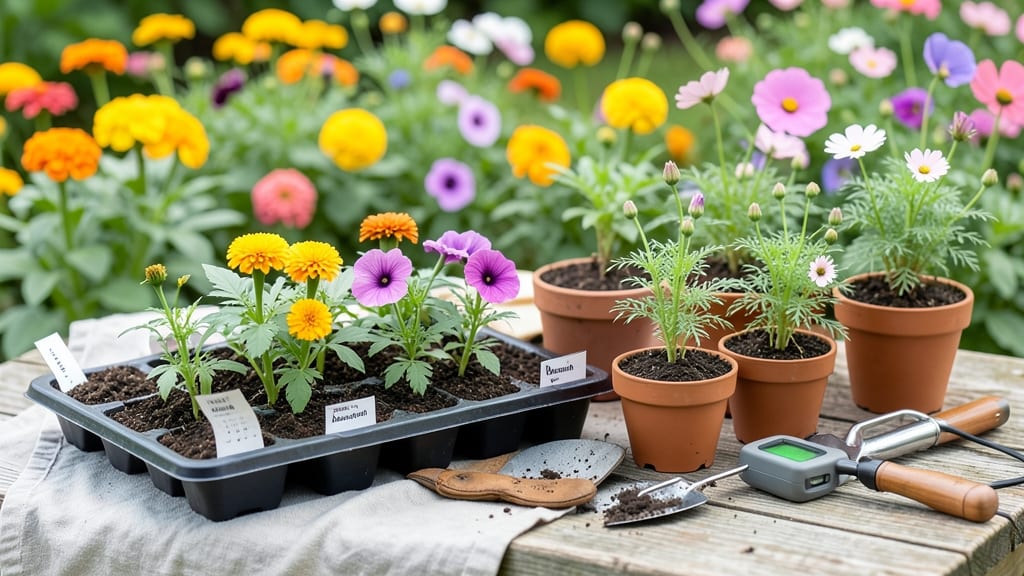
Pro Tip: Always check your local microclimate—valleys stay cooler longer, while south-facing slopes warm up faster. Use a soil thermometer ($10 at garden centers) to confirm readiness before planting.
For annuals, I prioritize early planting of cool-season varieties like pansies and snapdragons in February–March. These tough little flowers handle light frosts and give you color from spring into early summer.
But if you’re dreaming of bold summer blooms like zinnias or sunflowers, hold off until after April 15—soil needs to be warm enough to prevent damping off (a fungal disease that kills seedlings).
Bulbs are a special case. Most spring-blooming bulbs (like tulips) should’ve been planted in fall, but if you missed that window, February is your last chance for late-season bloomers like Fritillaria. For summer-blooming bulbs (dahlias, cannas), wait until after last frost—they need consistent warmth to thrive.
Perennials are the workhorses of your garden. Plant them in early spring (March–April) when the ground is workable but before buds break. This gives roots time to establish before the heat of summer. If you’re dividing crowded clumps (like hostas or daylilies), do it in early spring or fall—never in summer when stress peaks.
One mistake I see often? Planting heat-loving annuals too early. Marigolds and zinnias will sulk in cool soil, and their growth stalls until temps rise. Use row covers or wait it out—your patience will pay off with vibrant, long-lasting blooms.
Don’t forget to harden off seedlings before transplanting! If you started them indoors, gradually expose them to outdoor conditions over 7–10 days to avoid shock. And always water deeply
Why fall planting in Zone 7 works better for these 5 flower types
Fall planting in Zone 7 isn't just a backup plan—it's a strategic move for bold, long-lasting blooms. When spring planting gets crowded, cool-season flowers actually thrive in autumn's milder temperatures.
The 6-8 week growing window before winter dormancy lets roots establish deeply, while avoiding summer's heat stress. Think of it as giving your flowers a head start for next year's show.
Science backs this up: Cooler soil temperatures in fall reduce transplant shock, and shorter daylight triggers natural dormancy cycles. For 5 specific flower types, fall planting means fewer pests, better moisture retention, and earlier spring blooms.
Here's why these varieties demand autumn attention—and exactly when to plant them to avoid winter damage.
Plant September 1-15 for winter blooms
Why it works: Tolerate light frosts and thrive in 50-60°F soil. Fall planting avoids summer wilting.
Plant September 15-October 1 for spring rebloom
Why it works: Self-seeds prolifically in cool weather. Established roots survive Zone 7 winters.
Plant September 1-October 10 for winter greens
Why it works: Pest-resistant in fall and regrows from crowns after frost.
Plant September 15-October 15 for early spring blooms
Why it works: Biennial habit means fall roots = 2x taller stems next spring.
Plant September 1-October 5 for fragrant winter blooms
Why it works: Clumping habit prevents wind damage, and aromatic leaves deter pests.
Timing is everything—plant these 5 flowers too early in fall, and they'll bolt before winter. Too late, and frost-sensitive roots won't establish. For Zone 7, aim to plant when soil temps drop below 75°F but stay above 50°F.
Use a soil thermometer to check—this 60-70°F window is your sweet spot for root growth without stress.
Pro tip: Mulch heavily after planting (3-4 inches of straw) to insulate roots. This protects against freeze-thaw cycles and keeps moisture consistent. I've seen snapdragons planted in late October still blooming in December with this trick—just don't let the mulch touch stems to prevent rot.
Remember, fall planting isn't just about this season's blooms. It's about next year's foundation. When you plant pansies in September, you're not just getting winter color—you're setting up stronger, hardier plants that'll outperform spring-planted varieties.
The science of dormancy means these flowers wake up earlier and more vigorously in spring, giving you longer bloom seasons with less care.