
Flowers
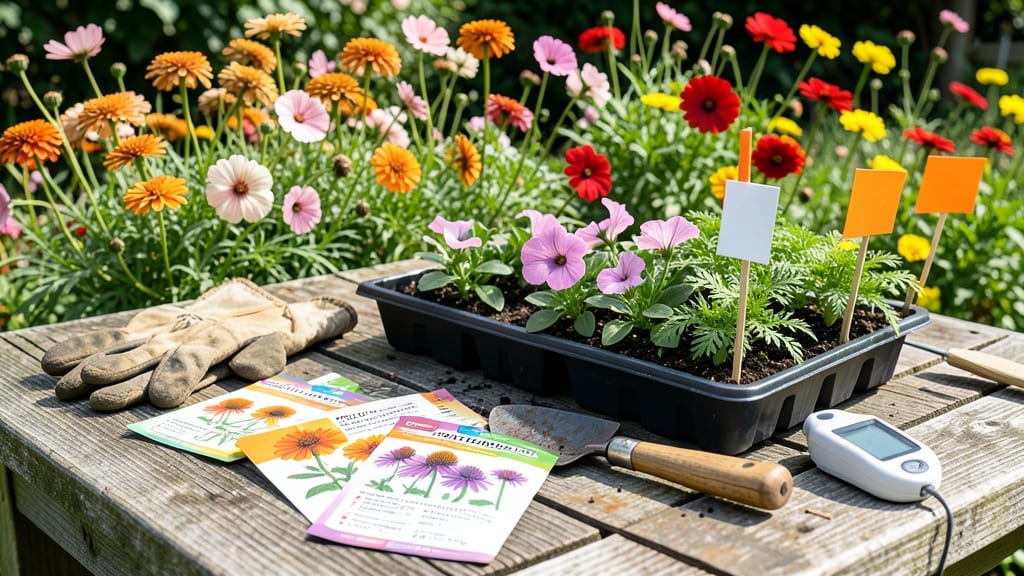
Planting flower seeds in Illinois at the wrong time can mean the difference between a garden bursting with 🌸 vibrant blooms and a season of disappointment. With hardiness zones ranging from 5-6, knowing when to plant—whether in spring or fall—is the key to success.
Most Illinois gardeners wait until after the last frost date (usually mid-April) to start planting annuals, but fall is also a prime window for cool-season flowers. The secret lies in understanding your zone and soil conditions—both of which can dramatically impact germination and growth.
In this guide, I’ll break down the best planting times for spring and fall, share top-performing flowers for Illinois gardens, and reveal common mistakes that sabotage seedlings. Whether you’re a beginner or a seasoned gardener, these timing tips will help you maximize your blooms.
Ready to transform your garden? Let’s dive into the perfect schedule for planting flower seeds in Illinois, so you can enjoy a colorful, thriving garden from spring to fall.
Illinois hardiness zones and best flower seed planting times by season
Illinois spans USDA hardiness zones 5a to 6b, meaning frost dates vary dramatically from northern Chicago (5a) to southern St. Louis (6b). In zone 5a, the last spring frost typically hits April 20-30, while zone 6b sees it as early as March 25.
These differences dictate your planting windows—get them wrong, and your seeds may rot or fail to germinate.
Spring planting in Illinois starts 4-6 weeks before your last frost date. For most gardeners, this means mid-March to early April for southern zones and late April to early May for northern areas.
Fall planting, however, offers a second chance for cool-season flowers like pansies and snapdragons, with ideal timing between August 15 and September 15.
Soil temperature is just as critical as air temperature. Most flower seeds need soil at least 50°F (10°C) to germinate. Use a soil thermometer to check—cool soils in spring or fall can delay germination by weeks.
Amend your soil with compost or aged manure to warm it faster in spring or retain moisture in fall.
Northern Illinois (zones 5a-5b) has shorter growing seasons, so focus on fast-growing annuals like marigolds and zinnias for spring. Southern Illinois (zones 6a-6b) can handle longer-season perennials like coneflowers and black-eyed Susans, which you can direct-sow in both spring and fall.
Here’s how Illinois’ hardiness zones break down for planting:
For spring planting, start with fast-germinating seeds like marigolds or nasturtiums in late March or early April, even if frost is still possible. These cold-tolerant varieties can handle light frosts and give you a head start.
Once soil warms to 60°F (15°C), add heat-loving annuals like zinnias and cosmos.
Fall planting is ideal for cool-season flowers that thrive in milder autumn temperatures. Sow pansies and sweet alyssum in late August to early September—they’ll bloom until hard frost. These flowers also repel pests naturally, making them perfect for extending your garden’s season without chemicals.
Protect your seedlings from late spring frosts by using row covers or cloches until temperatures stabilize. In fall, avoid planting too early—September heatwaves can stress young seedlings. Instead, wait until soil cools to 65°F (18°C) or below and nights are consistently below 70°F (21°C).
Soil preparation is key: Loosen soil 6-8 inches deep before planting and mix in organic matter like compost or leaf mold. This improves drainage and helps retain moisture during Illinois’ unpredictable spring rains or dry fall spells.
A pH of 6.0-7.0 is ideal for most flowers, so test your soil and amend with lime or sulfur as needed.
Remember, succession planting can double your blooms. In spring,
Top 5 flowers to plant in Illinois spring vs. fall (with success tips)
Illinois gardeners know that seasonal timing is everything when planting flower seeds. Spring and fall offer ideal windows for vibrant blooms, but the wrong timing can leave you with weak seedlings or missed blooms.
For spring planting, focus on hardy annuals that thrive after the last frost, while fall planting lets you enjoy early color before winter sets in.
In Illinois’ USDA zones 5a-6b, the last frost typically arrives around mid-April, and the first frost hits in mid-October. This means your planting window is tight—about 6 months of ideal conditions. Choosing the right flowers for each season ensures your garden stays colorful year-round while minimizing maintenance.
🌱 Spring Planting Favorites (After Last Frost)
- Marigolds: Plant April-May, 1/4" deep. Thrives in full sun and deters pests. Deadhead for continuous blooms.
- Zinnias: Sow April-June, 1/8" deep. Loves 6+ hours of sun and blooms in 60-70 days. Cut back to encourage bushier growth.
- Sunflowers: Start indoors March-April, transplant after frost. Needs deep, well-drained soil for tall varieties.
🍂 Fall Planting Favorites (6-8 Weeks Before Frost)
- Pansies: Sow August-September, 1/4" deep. Tolerates light frost and blooms until spring. Prefers partial shade.
- Snapdragons: Plant August, 1/8" deep. Thrives in cool weather and adds vertical interest. Pinch back for bushier growth.
- Sweet Alyssum: Direct sow July-August, 1/8" deep. Fragrant and drought-tolerant once established. Great for borders.
For spring planting, I recommend starting seeds indoors in March for heat-loving varieties like zinnias or sunflowers.
Transplant seedlings outdoors only after soil temperatures reach 50°F—a soil thermometer is your best friend here. Marigolds, however, can handle cooler spring soils and often self-seed, making them a low-maintenance choice.
Fall planting is all about cool-season champions. Pansies and snapdragons love the crisp air and can handle light frosts, giving you color well into winter. For sweet alyssum, wait until late August to avoid bolting in summer heat.
Always water deeply after planting to help roots establish before the first frost hits.
One of my biggest tips is to mulch after planting—whether in spring or fall. A 2-inch layer of straw or shredded leaves retains moisture, regulates soil temperature, and suppresses weeds.
In spring, mulch also protects tender seedlings from late frosts, while in fall, it insulates roots from freezing temperatures.
Don’t forget to rotate your flower beds every few years to prevent soil-borne diseases. For example, plant marigolds in the same spot as tomatoes to deter nematodes, but avoid planting the same flowers year after year.
With these seasonal strategies, your Illinois garden will burst with color from spring to fall—and maybe even a little longer! 🌼