
Plants
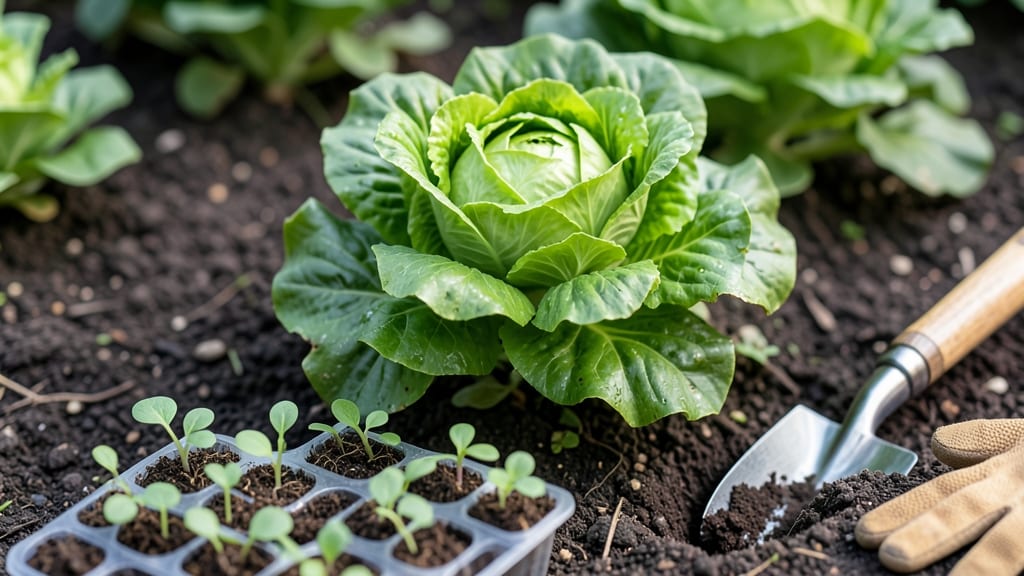
Planting fall lettuce in Zone 6 at the right time is the difference between a bountiful harvest and a sad, bolted mess. The key? Start 6-8 weeks before your first frost—any earlier, and summer’s heat will turn your tender 🥬 into bitter frustration.
But don’t stress: with the right timing and a few simple tricks, you can enjoy crisp, flavorful greens well into winter.
I’ve learned the hard way that rushing lettuce into the ground too soon leads to disappointment. Whether you’re a first-time gardener or a seasoned green thumb, nailing the planting window ensures your lettuce thrives when temperatures dip.
Let’s break down exactly when to plant, which varieties hold up best, and how to protect your crop from early frost.
Zone 6’s cooler climate actually works in your favor—lettuce loves the crisp air of fall. The trick is balancing heat tolerance and frost resistance. By planting in late August or early September, you give your lettuce enough time to mature before the ground freezes.
Ready to avoid the common mistakes that ruin fall harvests? Let’s get started.
You’ll discover the best varieties for your region, how to prep your soil for success, and even how to extend your harvest with simple protective measures. No more wasted effort—just crisp, delicious lettuce straight from your garden. Let’s make this your most productive fall yet.

Optimal planting windows for fall lettuce in Zone 6: exact weeks before frost
Fall lettuce thrives in Zone 6 when planted at the right time—too early and you’ll battle summer heat, too late and frost ruins your crop. The golden window is 6–8 weeks before your first frost, but I’ve found two ideal planting phases that maximize success.
For most of Zone 6, that means mid-August to early September, but your exact dates depend on your last frost date.
First, check your local average first frost date—Zone 6 typically ranges from October 10–20. Count backward 6–8 weeks to pinpoint your planting window. For example, if frost hits October 15, plant between August 25 and September 10.
This timing ensures lettuce matures before cold snaps arrive while avoiding summer’s scorching heat.
Here’s the breakdown: Early fall plantings (late August) work best for heat-tolerant varieties like Romaine or Buttercrunch, while late plantings (early September) suit cold-hardy types like Winter Density or Arctic King. The difference? Heat-tolerant lettuces handle 80°F+ days, while cold-hardy ones survive 25°F+ temps.
| Planting Window | Weeks Before Frost | Best Varieties | Frost Tolerance | Key Tip |
|---|---|---|---|---|
| Late August | 6–7 weeks | Romaine, Buttercrunch, Black Seeded Simpson | Moderate (30°F+) | Use shade cloth if temps exceed 85°F |
| Early September | 4–5 weeks | Winter Density, Arctic King, Green Forest | High (25°F+) | Mulch heavily to protect roots |
| Late September (succession) | 2–3 weeks | Lollo Rossa, Oakleaf, Red Sails | Moderate (30°F+) | Harvest before hard frost |
For foolproof timing, I recommend planting two batches: one in late August for a September–October harvest and another in early September for a November harvest.
This staggered approach ensures a continuous supply of crisp lettuce. Start with direct sowing for best results—transplants often struggle with transplant shock in fall’s fluctuating temps.
If your last frost date varies from the Zone 6 average, adjust accordingly. For example, in Zone 6a (colder microclimates), aim for September 1–10 plantings, while Zone 6b (warmer areas) can push to September 15.
Always monitor your local 10-day forecast—a sudden 20°F dip can devastate tender lettuce.
Pro tip: Use a frost watch from your local Cooperative Extension Service or apps like Frost Date Calculator. I’ve used these to shift my plantings by 3–5 days when early cold snaps threaten.
For added protection, apply row covers when nights dip below 35°F—this buys you 2–3 extra weeks of harvest time.
Finally, soil temperature matters just as much as air temp. Lettuce seeds won’t germinate well in soil below 40°F. Test your soil with a thermometer—if it’s below 50°F, wait a few days or use black plastic mulch to warm it up.
I’ve seen germination rates drop from 90% to 20% when soil temps are too cool.
With these precise windows and variety choices, you’ll harvest crisp, sweet lettuce well into December—even if frost is lurking. The key? Plan ahead, monitor temps, and choose the right types for your microclimate. Your salad bowl will thank you! 🥬
How to extend your lettuce harvest beyond first frost: succession planting & protection tips
Once your fall lettuce is planted, don’t let the first frost signal the end of your harvest. With the right strategies, you can keep enjoying crisp, tender leaves well into winter.
The key lies in succession planting and protecting your crop from cold snaps. I’ve learned that cold-hardy varieties and simple protective measures can extend your season by weeks—sometimes even months!
Many gardeners assume lettuce is a summer crop, but with careful planning, you can harvest through light frosts (28°F or higher). The secret? Start with staggered plantings every 2 weeks after your initial sowing.
This ensures a continuous supply of fresh leaves. Pair this with protective gear like row covers or cold frames, and you’ll be harvesting well past the first frost date.
- Start succession plantings every 2 weeks from mid-August to early September in Zone 6.
- Choose cold-hardy varieties like Winter Density or Arctic King for frost tolerance.
- Use row covers when temps drop below 30°F to protect tender leaves.
- Apply mulch around plants to insulate roots from freezing temperatures.
- Harvest outer leaves first to avoid bolting from cold stress.
Some lettuce varieties bolt (go to seed) when exposed to cold temperatures, but this doesn’t have to ruin your harvest. Leaf lettuces like Black Seeded Simpson or Oakleaf handle cold better than head lettuces.
If you notice your plants flowering prematurely, it’s often a sign of temperature stress. To prevent this, avoid planting heat-sensitive varieties too early in the season.
For extra protection, consider using cold frames or low tunnels to create a microclimate that traps heat. These structures can raise soil temperatures by 10-15°F, allowing you to grow lettuce even in sub-freezing conditions.
I’ve had success with simple DIY cold frames made from PVC pipes and plastic sheeting, which cost less than $20 to build.
Watering becomes even more critical in fall. Lettuce needs consistent moisture to stay tender, but overwatering can lead to rot in cold soil. Aim to water early in the morning and avoid wetting the leaves, which can invite fungal diseases.
A drip irrigation system is ideal for maintaining even moisture without disturbing the soil.
With these strategies, you can enjoy fresh lettuce well into December or even January in Zone 6. The key is staggered plantings, protective gear, and choosing the right varieties. Don’t let frost stop your harvest—extend your season with confidence! 🥬