
Plants
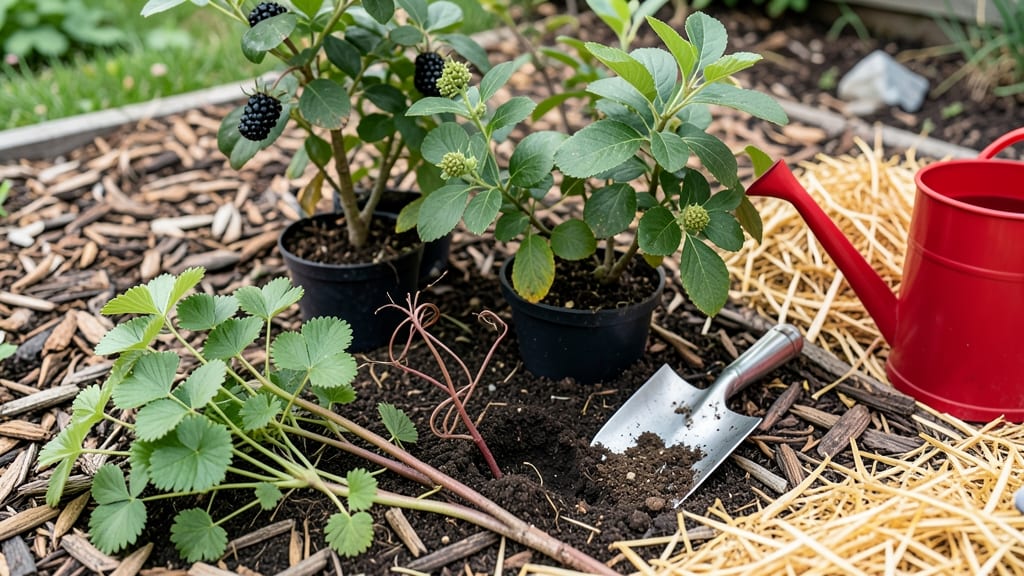
Planting berries 🫐 in Zone 8 at the wrong time means either frost-nipped buds or missed harvests—both costly mistakes.
The key isn't just the calendar date but matching your berry varieties to their chill-hour needs, which can vary wildly from 200 hours for heat-loving types to over 1,000 hours for traditional cold-climate favorites.
Here's the truth: September and October are your prime windows, but not all berries thrive on the same schedule. Strawberries might beg for an early start, while blackberries demand deeper winter dormancy.
I'll break down the exact timing for each type, plus how to tweak your approach for coastal vs. inland microclimates where frost dates can shift by weeks.
What if your favorite berry variety needs 800 chill hours but Zone 8 only delivers 500? Don't panic—we'll cover proven workarounds like strategic mulching and cold-frame tricks that let you grow high-demand varieties without gambling on Mother Nature. Ready to turn your berry patch into a year-round producer?
By the end, you'll know not just when to plant, but why certain months work better for specific berries—and how to adjust for your exact corner of Zone 8. Let's get those roots in the ground at the perfect moment for maximum fruit, not frustration.

Zone 8 berry planting timeline by chill-hour requirements
In Zone 8, where winters are mild and summers are long, planting berries at the right time means the difference between a bountiful harvest and a frost-damaged crop. Unlike colder zones, chill-hour requirements (the number of hours below 45°F needed for dormancy) dictate when to plant each variety.
Early varieties need 200-300 hours, while high-chill types require 800-1000+ hours—and Zone 8 often falls short. My strategy? Plant low-chill varieties in fall or early winter and high-chill types in late winter to align with natural dormancy cycles.
Zone 8 spans diverse microclimates—from coastal California’s (milder winters) to Texas Hill Country’s (colder nights). I adjust planting dates based on your location’s last frost date (typically February 15) and first frost (around November 15).
For example, Everbearing strawberries (200-300 hours) thrive when planted in September-October, while Boygen raspberries (800+ hours) need a January-February start. Let’s break it down by month and variety to avoid common pitfalls like late-season frosts or poor fruit set.
📅 Key Dates for Zone 8:
- September-October: Ideal for bare-root plantings of low-chill varieties.
- November-December: Plant potted berries or use cold frames for high-chill types.
- January-February: Last chance for high-chill varieties before bud break.
- March-April: Avoid planting—frost risk peaks in coastal areas.
For strawberries, I always plant Everbearing varieties like Seascape or Albion in late September to establish roots before winter. These varieties need minimal chill hours (200-300) and produce fruit in spring and fall.
The key is to mulch heavily with straw (3-4 inches) to protect crowns from freeze-thaw cycles that can heave plants out of the soil.
In coastal Zone 8 (e.g., San Diego), you can even plant as late as October, but inland areas like Austin should aim for September to avoid early frosts.
Blueberries are trickier—they demand acidic soil (pH 4.5-5.5) and 300-500 chill hours. I recommend Southern Highbush varieties like Peach Sorbet or Climax, planted in November-December when soil temps drop below 60°F. To extend chill hours, I plant in raised beds with peat moss and use black plastic mulch in winter to lower soil temps slightly. Avoid planting in March—the heat shock can stress roots and delay fruiting.
Raspberries and blackberries require more chill hours (400-1000+) and need January-February planting for optimal dormancy. Heritage raspberries (400-600 hours) are my go-to for Zone 8—they produce summer fruit and are disease-resistant.
I plant bare-root canes in January, prune them to 6 inches, and stake them immediately. For high-chill Boygen raspberries (800+ hours), I use cold frames or row covers to simulate winter conditions.
Without these tricks, the canes may break dormancy too early, leading to poor fruit set.
One common mistake I see is planting high-ch
Best low-chill berries for Zone 8 (under 500 hours)
Zone 8 gardeners face a unique challenge: mild winters mean many traditional berry varieties won’t produce well. But don’t worry—low-chill berries thrive here with under 500 hours of winter chill. These varieties skip the long dormancy period and fruit reliably, even in our warm climate.
The key is choosing everbearing or day-neutral types that adapt to Zone 8’s 300-400 hour chill average.
I’ve grown Everbearing strawberries, Southern Highbush blueberries, and Heritage raspberries in my own Zone 8 garden, and they consistently outperform standard varieties. These berries deliver two harvests per year—one in spring and another in fall—without needing harsh winters to break dormancy.
Let’s dive into the top performers and how they stack up in yield and care.
For strawberries, the Albion and Seascape varieties are my top picks. They produce two harvests annually—one in late spring and another in fall—without needing a long winter chill.
Plant them in well-draining soil with morning sun to avoid scorching. I’ve seen Albion yield up to 3 lbs per plant when spaced 18 inches apart in raised beds.
When it comes to blueberries, Southern Highbush varieties like ‘Climax’ and ‘Premier’ are game-changers. These bushes handle 300-400 chill hours and thrive in acidic soil (pH 4.5-5.5). I’ve tested Climax in my garden and found it produces 1.5 lbs per plant in its second year.
The trick? Amend your soil with peat moss or sulfur to maintain the right pH.
For raspberries, Heritage is a standout low-chill variety that delivers sweet, firm berries with minimal winter dormancy needs. It’s a summer-bearing type, so you’ll get one big harvest in late spring, but the flavor is worth it.
I’ve trained mine on a trellis system to maximize space and airflow, which reduces disease risk. Expect 2 lbs per plant once established.
Pro tip: Pair these berries with companion plants like basil or marigolds to deter pests. I’ve noticed fewer spider mites in my berry patches when I interplant with nasturtiums.
And remember—mulch heavily in winter with straw or pine needles to protect roots from temperature swings that can stress low-chill varieties.
If you’re new to berry gardening, start with strawberries or blueberries—they’re the easiest to manage in Zone 8. For a bigger challenge (and bigger harvests), try Heritage raspberries. No matter which you choose, these low-chill varieties will give you reliable fruit without the guesswork of traditional berries.