
Plants
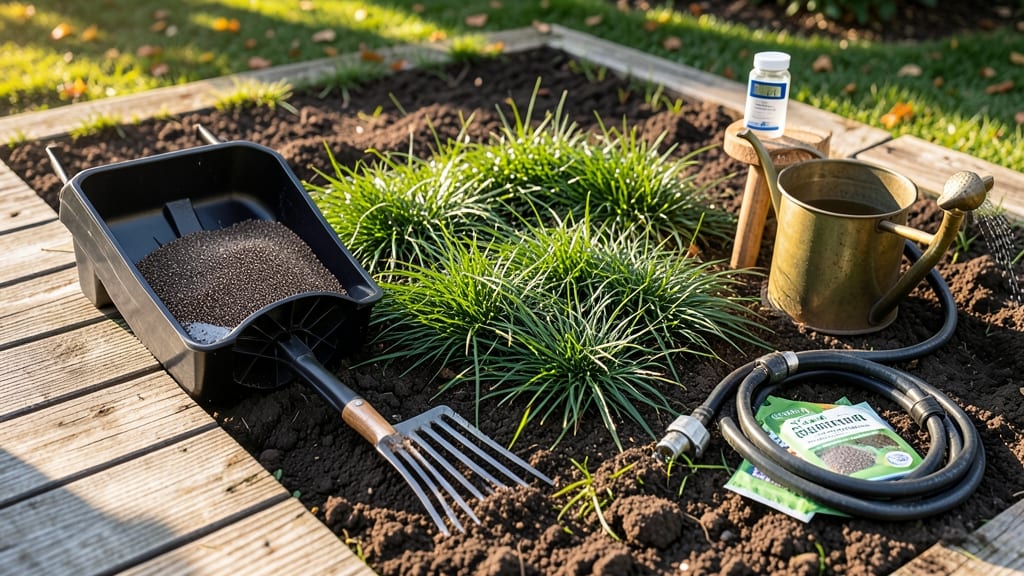
Planting grass seed in Illinois isn't just about grabbing a bag and scattering it—it's about timing your efforts to match your hardiness zone and climate for the best possible results.
Whether you're in northern Illinois where frost lingers or southern Illinois with warmer springs, getting it right means healthier grass and fewer headaches down the road.
Many gardeners swear by fall planting, but spring can also work—if you follow the right steps. The key lies in understanding when soil temperatures hit that sweet spot for germination, typically between 50°F and 65°F.
For Illinois' 5a-6b zones, that means late April or early September are your golden windows, but there's more to it than just the calendar.
I've seen too many lawns fail because of common mistakes like planting too early or ignoring soil prep. The right approach saves time, money, and frustration.
Let me walk you through exactly when to plant, how to prepare your soil, and what to watch for to ensure your grass seed takes root and thrives—no matter which season you choose.
Ready to grow a lawn that actually stays green? Let's dive into the science behind Illinois planting times and how to set yourself up for success from day one.
Spring vs fall planting: which offers better grass seed success in Illinois?
Choosing between spring and fall planting for grass seed in Illinois can make or break your lawn’s success. Both seasons offer advantages, but cool-season grasses like Kentucky bluegrass and tall fescue thrive best when planted during specific windows.
Illinois’ hardiness zones 5a-6b mean timing matters—too early or late, and you risk drought, weeds, or frost damage. Let’s break down the pros, cons, and ideal conditions for each season.
Fall planting is often considered the gold standard for cool-season grasses in Illinois. The air cools, but soil remains warm enough for germination (50-65°F), while weeds are less competitive.
Spring planting works but requires perfect timing—plant too early, and frost kills new growth; too late, and summer heat stresses seedlings. Your hardiness zone dictates the exact window: Northern Illinois (5a) has a shorter spring window than Southern Illinois (6b).
| Factor | Spring Planting (March-May) | Fall Planting (August-October) |
|---|---|---|
| Ideal Soil Temp | 50-65°F (after last frost) | 50-65°F (before first frost) |
| Moisture Needs | High (spring rains vary) | Moderate (fall rains steady) |
| Weed Competition | High (weeds germinate early) | Low (weeds dormant) |
| Frost Risk | Late frosts can kill seedlings | Early frosts may delay planting |
| Establishment Time | 4-6 weeks (summer stress risk) | 6-8 weeks (cooler temps ideal) |
| Best For | Quick coverage (Kentucky bluegrass) | Deep roots (tall fescue) |
Spring planting in Illinois demands precision timing. Aim to sow grass seed 4-6 weeks after your last frost date (typically mid-April in Zone 5a and early April in Zone 6b). The soil should stay consistently moist for germination, but summer heat can stress seedlings if planted too late.
I recommend Kentucky bluegrass for spring—it germinates quickly and establishes faster than tall fescue, which is better suited for fall’s cooler conditions.
Fall planting, however, gives grass seed a head start on root development before winter.
The 6-8 week window before first frost (late August to early October in Illinois) aligns perfectly with soil temperatures ideal for germination. Tall fescue thrives in fall because it develops deep roots, making it drought-resistant once established. Plus, fewer weeds compete with your new grass, reducing the need for herbicides.
Your Illinois hardiness zone plays a critical role. In Zone 5a (northern IL), fall planting ends earlier (by mid-October) due to frost risk, while Zone 6b (southern IL) can extend planting into early November.
Spring planting in Zone 5a should wait until late April to avoid frost, whereas Zone 6b can start as early as mid-March. Always check your local USDA frost date map for exact timing.
Watering is another make-or-break factor. New grass seed needs 1-1.5 inches of water weekly during establishment, whether planted in spring or fall. In spring, rely on drip irrigation or soaker hoses to avoid washing away seed during rain.
Fall planting benefits from steady rainfall, but supplement with watering if Illinois experiences a dry September. Never let the soil dry out completely—this is the #1 reason grass seed fails.
For best results in Illinois, I recommend prioritizing fall planting for tall fescue and Kentucky bluegrass. If spring planting is your only option, choose fine fescue (more drought-tolerant) and plant as soon as the soil warms.
Test your soil’s pH (6.0-7.0 ideal) and amend with lime or sulfur before planting, regardless of season. A healthy soil foundation sets the stage for a lush, weed-free lawn.
Remember, Illinois’ variable weather means flexibility is key. Monitor soil temperatures (use a soil thermometer) and adjust planting dates if conditions stray from the norm. With the right timing and care, your grass seed will germinate into a thick, vibrant lawn—whether you plant in spring or fall. 🌱
Ideal planting months by Illinois hardiness Zone (5a-6b)
Choosing the right time to plant grass seed in Illinois depends heavily on your hardiness zone and the type of grass you’re growing. Northern Illinois (Zone 5a) has cooler springs and earlier frosts, while southern Illinois (Zone 6b) enjoys milder winters and longer growing seasons.
Both regions benefit from cool-season grasses like Kentucky bluegrass and tall fescue, which thrive when planted in early spring or fall.
For Zone 5a, aim for planting between late April and mid-May in spring or mid-September to early October in fall. In Zone 6b, you have a slightly longer window—March to early May in spring and September to mid-November in fall.
The key is to plant 4-6 weeks before the first frost in fall or after the last frost in spring, ensuring soil temperatures stay above 50°F for optimal germination.
| Zone | Best Planting Months | Soil Prep Tip | Seed Selection | Avoid |
|---|---|---|---|---|
| 5a | Late April–Mid-May, Mid-Sept–Early Oct | Test pH (6.0–7.0), loosen compacted soil | Tall fescue, fine fescue | Early frost, drought stress |
| 5b | Early April–Early May, Sept–Early Nov | Add compost, rake to 1/2 inch depth | Kentucky bluegrass, perennial ryegrass | Overwatering, late planting |
| 6a | March–Early May, Sept–Mid-Nov | Aerate compacted soil, adjust pH | Bermuda grass (warm-season) | Summer heat stress |
| 6b | March–May, Sept–Late Nov | Test moisture retention, amend clay soil | Zoysia grass, centipede grass | Fungal diseases in humidity |
In Zone 5a, focus on cool-season grasses like tall fescue, which handles Illinois’ cooler climate well. Prepare your soil by testing its pH level (6.0–7.0) and loosening compacted areas with a garden fork.
Avoid planting too early—soil temperatures below 50°F slow germination, while late spring planting risks summer drought.
For Zone 6b, you can experiment with warm-season grasses like Bermuda or Zoysia, which thrive in southern Illinois’ warmer climate. Plant in early spring (March) to give roots time to establish before summer heat arrives.
In fall, aim for September planting to avoid early frost damage that can occur as early as mid-October.
Regardless of your zone, always water deeply in the morning to encourage root growth and avoid fungal diseases. Mulch with straw after planting to retain moisture and protect seeds from drying winds.
With the right timing and care, your Illinois lawn will establish strong roots and outperform neighbors who plant at the wrong time.
🌱