
Planting
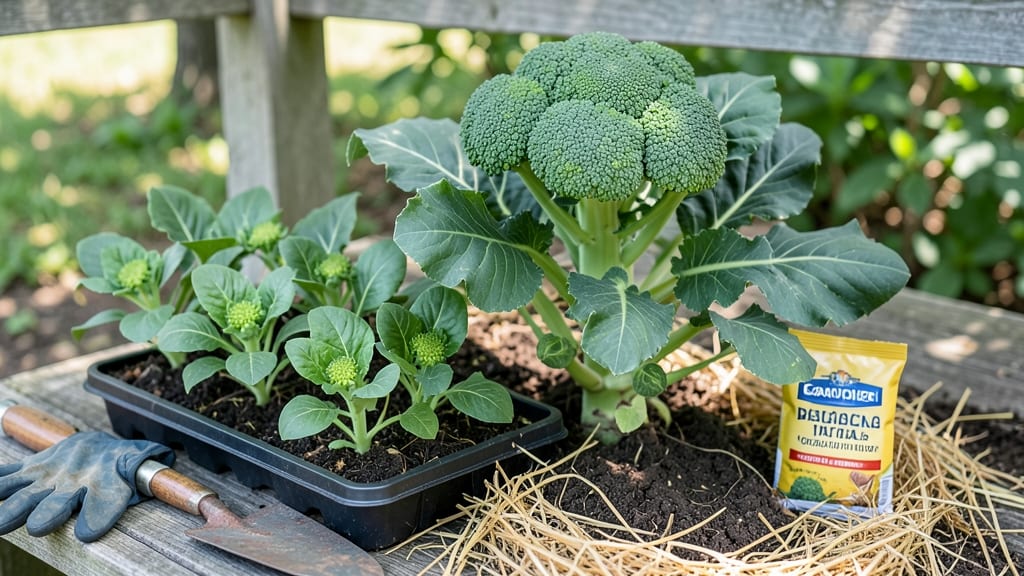
Planting your fall garden in North Carolina at the wrong time can mean the difference between a bountiful harvest and a sad pile of wilted 🥬 greens.
The key isn’t just knowing when—it’s understanding how NC’s unique Heat Zones (7a-8b) shift your planting window from county to county, sometimes by weeks.
Most gardeners assume "late summer" means the same thing everywhere, but in Raleigh, you’ve got 6 weeks before frost to get cool-season crops in the ground, while in Wilmington, that window shrinks to just 4 weeks. Get it wrong, and your broccoli might bolt before it even forms heads.
I’ve spent years tracking NC’s frost dates and crop cycles, and what I’ve learned will help you avoid common mistakes—like planting heat-loving crops too late or missing the perfect soil prep window.
Whether you’re growing kale in Asheville or carrots in Charlotte, this guide breaks down the exact timing you need.
Ready to transform your garden? Let’s dive into the county-specific planting calendar that finally makes fall gardening in NC foolproof—no guesswork, just harvests.
NC heat zone planting calendar: exact dates for cool-season crops by county
North Carolina’s Heat Zones 6A-8B create dramatic differences in when to plant your fall garden. In Zone 6A (Mountain regions), you might start broccoli as early as late July, while Zone 8B (coastal areas) gardeners should hold off until mid-August to avoid heat stress.
Timing these cool-season crops correctly ensures robust growth before the first frost—typically mid-November in most areas.
To simplify, I’ve aligned planting windows with NC State Extension data for four key cities: Raleigh (7A), Charlotte (7B), Asheville (6B), and Wilmington (8A). These dates work for broccoli, kale, spinach, carrots, and beets, but always check your local last frost date for precision.
For example, Asheville’s cooler climate lets you plant 2 weeks earlier than Wilmington’s warmer coastal zone.
Pro Tip: Use row covers in Zone 8B to extend harvests by 2-3 weeks in late fall. This trick works especially well for leafy greens like spinach and kale, which can tolerate light frosts but not heat.
For Asheville gardeners (Zone 6B), the coolest microclimates let you sow spinach as early as late July, but wait until early August for broccoli to avoid bolting. In Raleigh (Zone 7A), aim for mid-August to give plants enough time to mature before the November 1 frost.
If you’re in Charlotte (Zone 7B), push your carrots into the ground by early August—they’re less heat-sensitive than leafy greens.
In Wilmington (Zone 8A), the longer growing season means you can plant beets as late as late August, but kale should go in by mid-August to avoid heat stress. Pro Tip: If your soil temperature exceeds 85°F, wait until evening to plant seeds or use shade cloth for the first week.
Always test your soil pH before planting—cool-season crops thrive in 6.0-7.0. Amend with compost or aged manure to improve drainage, especially in clay-heavy soils like those in the Piedmont region. Mulch with straw to retain moisture and suppress weeds during the fall planting window.
If you’re in Zone 8B (e.g., Fayetteville), consider succession planting radishes or lettuce every 2 weeks from August through September. These fast-maturing crops (ready in 30-40 days) give you multiple harvests before frost.
Pair them with slow growers like Brussels sprouts (plant by mid-August) for a balanced fall garden.
Remember: Direct sowing is best for carrots and beets, while transplants of broccoli and kale give you a 2-week head start. Harden off seedlings for 5-7 days before moving
How to adjust planting times for early vs. late varieties in NC’s fall garden
North Carolina’s fall garden thrives when you match your planting timing to crop maturity rates. Fast growers like radishes and lettuce can handle late starts, while slow growers like Brussels sprouts need an early jumpstart.
In Heat Zone 7A, I plant radishes as late as September 15th for a November harvest, but Brussels sprouts go in by August 1st to mature before frost. Warmer zones like Zone 8B offer flexibility, but timing still matters.
Your county’s first frost date is the anchor. In Raleigh (7B), I count back 60-75 days for slow growers like cabbage, while Asheville (6B) gardeners should start earlier—by July 15th—to beat the earlier frost.
Use NC State Extension’s frost maps to calculate your exact window. For example, Wilmington (8A) can push lettuce until October 1st safely, while Charlotte (7A) should wrap up by September 20th.
Plant late August-October in Zones 7A-8B. Examples: radishes, spinach, turnips, arugula.
Plant July 15-August 15 in Zones 6A-7B. Examples: kale, Swiss chard, carrots, beets.
Plant June 15-July 15 in Zones 6A-7A. Examples: broccoli, cabbage, Brussels sprouts, leeks.
Add floating row covers to push lettuce/carrots 2-3 weeks later in fall. Remove before bolting.
Sow radishes every 2 weeks from August-October for continuous harvests. Works for spinach too.
For warmer counties (7A+), I use row covers to extend the season. A lightweight cover over lettuce or carrots planted in late September can add 2-3 weeks of growing time before frost.
Just remove covers during the day if temps rise above 80°F to prevent overheating. In Zone 8B, I’ve even grown baby greens into December with this trick!
Don’t overlook succession planting for fast crops. I sow radishes every 2 weeks from mid-August through early October to ensure a steady supply. This works for spinach and arugula too—just adjust spacing as seedlings grow.
In Zone 6A, I stop by September 1st to avoid frost damage, but in Zone 8A, I can push it to October 15th.
Pro tip: Label your seeds with maturity dates to track progress. I use colored toothpicks—red for fast, blue for medium, and green for slow growers—to stay organized.
This visual cue helps me adjust watering and fertilizing as crops mature at different rates. A little planning now means fewer bolting plants and more harvests before winter sets in.
Remember, soil temperature matters too. Use a soil thermometer to confirm it’s below 85°F before planting cool-season crops. In Piedmont regions, I wait until late July when soil cools naturally.
This small step prevents seedling stress and ensures strong starts. With these adjustments, your fall garden will be bountiful and frost-proof! 🌱