
Plants
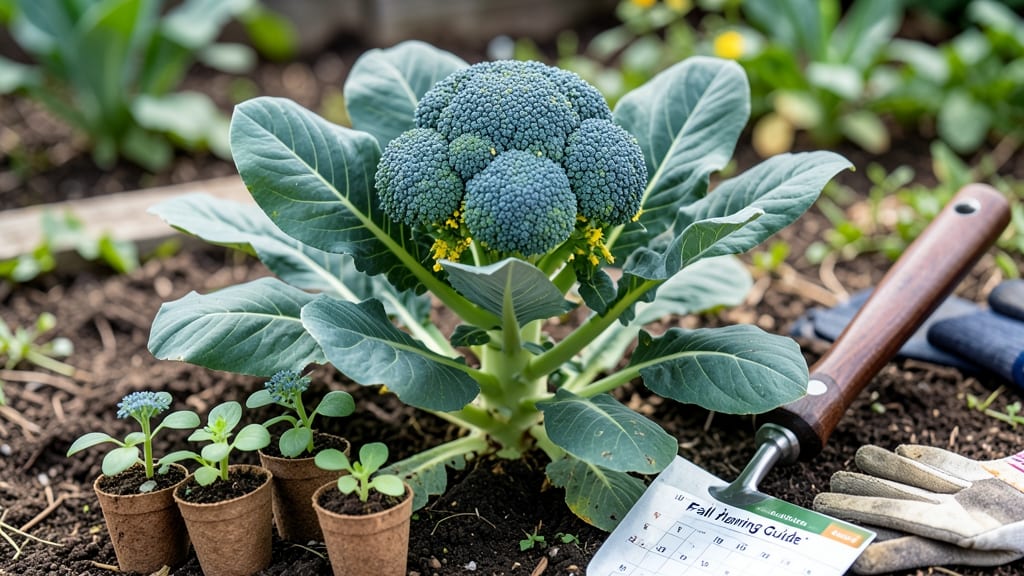
Planting fall broccoli in Zone 6 at the wrong time can mean the difference between a bountiful harvest of crisp 🥦 crowns and bolted, bitter greens. The key isn't just guessing—it's knowing exactly when to get those seedlings in the ground so they mature before winter's first frost.
For Zone 6 gardeners, timing is everything because those 4-6 weeks before frost create a tight window where broccoli thrives. Too early, and heat stress triggers bolting; too late, and frost ruins your crop before harvest.
But with the right schedule, you can enjoy fresh, homegrown broccoli straight from your garden.
I'll walk you through the exact weeks to plant, how to prep your soil, and what varieties work best in cooler weather. Whether you're starting from seeds or transplants, these tips will help you avoid common mistakes and maximize your yield.
Let's dive into the step-by-step guide that'll have you harvesting flavorful heads by late fall—no guesswork required.

Best planting windows for fall broccoli in Zone 6: weeks before first frost
Growing fall broccoli in Zone 6 requires precision timing to avoid bolting or frost damage. With an average first frost date between mid-October and late October, your planting window is tight but manageable.
The key is starting 4-6 weeks before frost, giving broccoli 60-90 days to mature before winter sets in.
For direct sowing, aim for late July to early August—this gives seedlings enough time to establish roots before cooler weather arrives. If you prefer transplants, plant them mid-August to early September for a more reliable harvest. Both methods work, but transplants often yield faster results.
Here’s the critical planting timeline for Zone 6, broken down by method and frost-free estimates:
| Method | Planting Window | Weeks Before Frost | Days to Maturity | Notes |
|---|---|---|---|---|
| Direct Sowing | Late July - Early August | 5-6 weeks | 60-90 days | Slower start; needs consistent moisture. |
| Transplants | Mid-August - Early September | 4-5 weeks | 60-80 days | Faster harvest; ideal for shorter seasons. |
| Successional Planting | Early August - Late August | 6 weeks | 70-90 days | Staggered harvests; extends season. |
When choosing your planting date, factor in your local frost date—even a 1-2°F dip can damage young plants. Use row covers or a cold frame to protect seedlings if frost arrives early.
For example, if your first frost is October 15, plant transplants by September 1 to ensure a harvest before winter.
Soil temperature also plays a role: broccoli seeds germinate best in 50-85°F soil. In Zone 6, soil cools quickly after early August, so direct sowing after this date may slow germination. If you’re planting late, opt for transplants or use a seedling heat mat to speed up growth.
For successional planting, space out sowings every 2-3 weeks from early August onward. This ensures a continuous harvest as some plants mature while others are still growing.
For instance, plant one batch in early August, another in mid-August, and a final batch in late August for a staggered yield.
Pro tip: Hardening off transplants for 5-7 days before planting improves their resilience. Acclimate them to cooler temps and wind by gradually reducing shade and exposure. This step is especially critical in Zone 6, where temperature swings can stress young plants.
After planting, focus on consistent moisture and rich soil. Broccoli needs 1-2 inches of water weekly, but avoid overhead watering to prevent disease. Mulch with straw or shredded leaves to retain moisture and regulate soil temperature—this is key for fall crops in Zone 6.
Finally, monitor your broccoli for signs of bolting, like tall stems and yellowing leaves. If days get too short (12 hours of daylight or less), broccoli may bolt prematurely. To prevent this, choose fast-maturing varieties like 'De Cicco' or 'Belstar', which tolerate cooler temps better.
With the right timing and care, your fall broccoli will thrive—delivering crisp, flavorful heads just as winter approaches. Happy planting! 🥦
How to extend broccoli's growing season in Zone 6: frost protection tips
Fall broccoli in Zone 6 thrives when you extend its growing season with smart frost protection. Even after planting at the perfect 4-6 weeks before frost, unexpected cold snaps can ruin your harvest.
The key is combining physical barriers, timely planting, and cold-hardy varieties to keep your plants productive well into November or December.
I’ve found that row covers and cold frames are my go-to tools for delaying frost damage. These methods buy you an extra 2-4 weeks of growing time, which can mean the difference between a bountiful harvest and wasted effort.
But not all methods work equally well—some require more maintenance than others, and a few can even backfire if used incorrectly.
Frost Protection Methods for Zone 6 Broccoli
Row Covers
- ✅ Pros: Lightweight, breathable, easy to install
- ✅ Pros: Extends season by 2-3 weeks
- ✅ Pros: Protects from light frosts (28°F)
- ❌ Cons: Needs staking for wind
- ❌ Cons: Reduces airflow (watch for rot)
Cold Frames
- ✅ Pros: Extends season by 4-6 weeks
- ✅ Pros: Works in hard frosts (20°F)
- ✅ Pros:
- ❌ Cons: Expensive upfront cost
- ❌ Cons: Requires ventilation on warm days
Successional Planting
- ✅ Pros: Staggered harvests reduce risk
- ✅ Pros: No extra equipment needed
- ✅ Pros: Works with fast-maturing varieties
- ❌ Cons: Requires space management
- ❌ Cons: Less protection from late frosts
💡 Best for Zone 6: Combine row covers with successional planting for maximum protection.
For row covers, I recommend using floating row covers (like Agribon) rather than plastic sheets. They allow 10-15% light penetration while blocking 28°F+ frosts. Secure them tightly with bricks or stakes to prevent wind damage.
If you’re dealing with harder frosts (below 28°F), add a second layer or switch to a cold frame.
Cold frames are my secret weapon for late-season broccoli. A simple Plexiglas frame over your plants can protect them down to 20°F. The trick is to ventilate during the day to prevent overheating—leave one side open if temperatures rise above 70°F.
I’ve kept broccoli growing until Christmas using this method, though it does require more upkeep than row covers.
Don’t overlook the power of successional planting. Instead of one big planting, try 3 smaller plantings every 2 weeks starting in mid-July. This way, even if the first batch gets hit by frost, your later plantings will still produce.
Pair this with fast-maturing varieties like 'De Cicco' (58 days) to ensure a harvest before winter sets in.
Finally, choose cold-hardy varieties that thrive in shorter daylight. Varieties like 'Waltham 29' and 'Belstar' tolerate cooler temps better than standard types. These can handle light frosts without bolting, giving you more flexibility in your planting schedule.
With these strategies, you can push your broccoli harvest well past the first frost date—sometimes even into December if you’re lucky. Just remember: monitor weather forecasts, act fast when frost is predicted, and don’t hesitate to use multiple methods together for maximum protection. Happy gardening! 🌱