
Plants
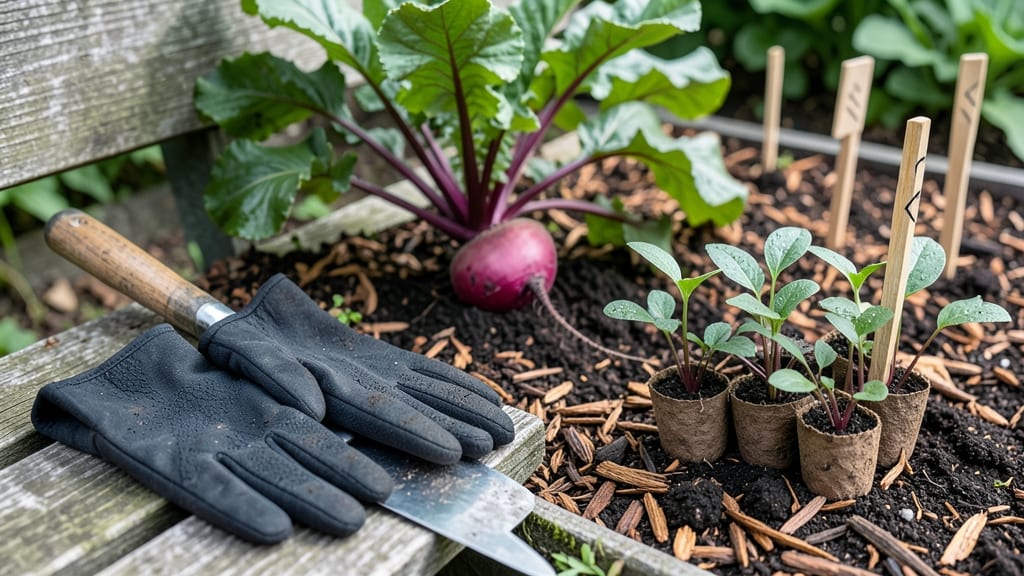
Timing when to plant beets in Oregon can mean the difference between a sweet, tender harvest and tough, woody roots. With coastal fog, inland warmth, and high-desert conditions creating wildly different growing seasons, knowing the perfect window matters more than you might think.
Most gardeners in USDA zones 7b-9a can start planting as early as March, but coastal areas like the Willamette Valley often wait until April to avoid frost.
The key is getting seeds in the ground when soil temperatures hit 45°F+, which typically happens by mid-March inland and a few weeks later near the coast.
Here's the game-changer: Oregon's 165-220 frost-free days mean you can actually plant beets twice a year. The first window runs from March through May, while late summer plantings in August-September give you a second harvest before fall frosts arrive.
This staggered approach ensures fresh beets from May through October.
Whether you're growing Detroit Dark Red for storage or Baby Rainbow for quick harvests, understanding these regional differences will help you avoid common pitfalls like bolting or stunted growth. Let's break down exactly when to plant where in Oregon to maximize your garden's potential.
Oregon beet planting calendar by region: coastal vs Willamette Valley vs high desert
Oregon’s three distinct climates—coastal, Willamette Valley, and high desert—create wildly different frost-free windows for planting beets. Timing is everything: plant too early, and frost will kill tender seedlings; too late, and summer heat causes bolting.
Let’s break down the ideal planting windows for each region to maximize your harvest.
Beets thrive in cool weather but hate extreme heat or freezing temperatures. Coastal areas have longer growing seasons but cooler soils, while the high desert offers early starts with warmer soil temperatures.
The Willamette Valley sits in between, with moderate frost dates and reliable rainfall. Understanding these differences ensures you’ll have sweet, tender beets from spring to fall.
The key to continuous harvests? Succession planting. By staggering your plantings every 2-3 weeks from early spring to late summer, you’ll enjoy fresh beets for months. Below is your region-specific planting calendar, including frost dates, soil temperature thresholds, and the best months for each microclimate.
🌱
In the coastal region, where fog and chill linger longer, start planting beet seeds as early as mid-March if your soil is workable. The last frost date is typically mid-April, so you can push it slightly earlier with row covers if needed.
Coastal areas benefit from longer growing seasons, so you can extend plantings until mid-September for fall harvests.
For the Willamette Valley, the golden window is March 1 to September 1. Soil warms more quickly here than on the coast, but late frosts can still sneak in. Aim to plant every 2-3 weeks for a steady supply.
If you’re growing storage beets, like Detroit Dark Red, plant your last succession in early August to harvest before the first frost.
The high desert is where early planting shines. With warmer soil temperatures and longer daylight, you can start as early as mid-February if you’re using row covers or a cold frame.
The last frost date is usually early April, and the growing season stretches until mid-August for most varieties. Heat-tolerant varieties, like Chioggia, perform best here.
Pro tip: Always check your local frost dates using the Oregon State University Extension Service or Almanac.com. Microclimates can shift frost dates by 1-2 weeks, especially in urban areas or near large bodies of water.
For example, Portland’s urban heat island might allow for slightly later plantings than rural areas in the Willamette Valley.
To avoid bolting in summer, choose shade-tolerant varieties like Cylindra for late-season plantings. Mulch heavily to keep soil cool and moist, and water deeply in the early morning to reduce stress.
With these region-specific strategies, you’ll enjoy crisp, sweet beets from spring through fall—no matter where you garden in Oregon.
☀️
How to extend your beet harvest season in Oregon’s unpredictable climate
Oregon’s unpredictable climate can turn your beet harvest from abundant to disappointing if you don’t plan ahead. With early coastal frosts and high-desert heatwaves, timing is everything.
The key is using succession planting, season extenders, and variety selection to keep your garden producing sweet beets for nearly a year.
Most gardeners in Oregon miss out on fall and winter harvests because they stop planting too early. But with the right strategies, you can enjoy fresh beets from spring through late fall, even in USDA zones 7b-9a.
The secret lies in staggered plantings and protective measures that shield tender seedlings from unexpected cold snaps or scorching summer sun.
🌱 5 Proven Strategies to Extend Your Beet Harvest
- 📅 Plant in 3 waves: Early spring (March), late spring (May), and early summer (July) for continuous harvests
- 🛡️ Use row covers: Protect seedlings with floating row covers for 2-3 weeks after planting to prevent frost damage
- 🌡️ Choose heat-tolerant varieties: Opt for 'Detroit Dark Red' or 'Golden Beet' for summer planting
- 🍃 Mulch heavily: Apply 4-6 inches of straw to retain soil moisture and regulate temperature in high-desert areas
- 🌱 Sow hardy varieties: Plant 'Chioggia' or 'Boltardy' for fall harvests before first frost
For coastal Oregon, where late spring frosts are common, start seeds indoors in late February and transplant after April 15th. Use black plastic mulch to warm the soil faster and create a microclimate that delays bolting.
In the Willamette Valley, where summers can be mild but humid, focus on succession planting every 2 weeks from March through July.
In high-desert regions like Bend or La Pine, beets thrive in cool nights but struggle with intense afternoon sun. Plant shade-tolerant varieties like 'Lutz Winter Keeper' and water deeply twice weekly to prevent bolting. Always soak seeds overnight before planting to ensure germination success in dry conditions.
Don’t forget about fall planting! In October, sow cold-hardy varieties like 'Detroit Dark Red' for a winter harvest. Use straw mulch to protect roots from freezing temperatures and harvest before hard frosts hit.
With these techniques, you’ll enjoy fresh beets for 10+ months—far beyond the typical 3-4 month window.
Pro tip: Harvest leaves first for salad greens while roots mature. This reduces stress on the plant and extends your edible harvest time by weeks. Pair your beet strategies with companion planting (like lettuce or radishes) to maximize space and soil health.