
Plants
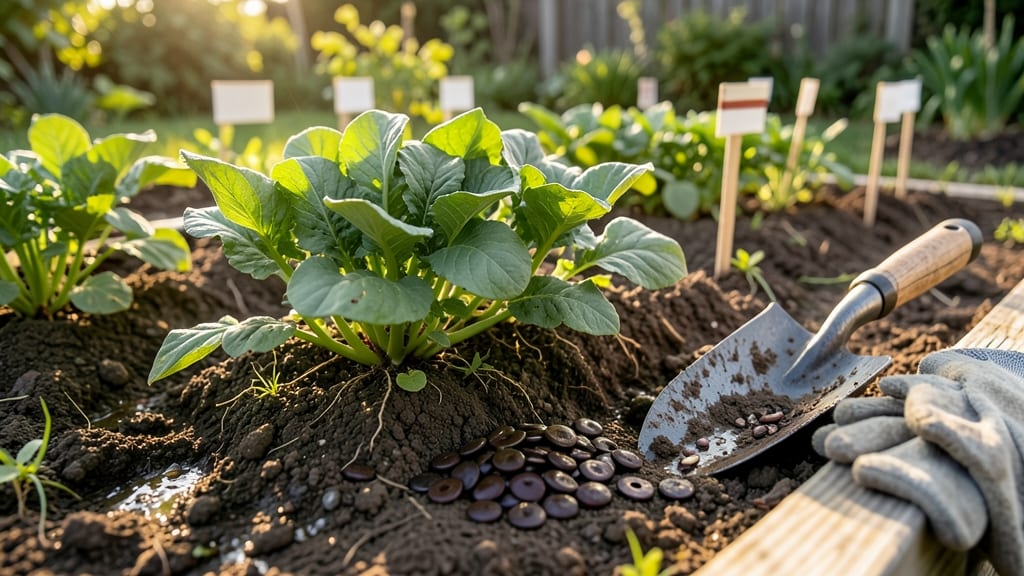
Timing your 🍠 beet planting in Illinois could make or break your harvest—especially when those last frost dates shift between Chicago’s chilly winds and southern Illinois’ milder springs.
If you’ve ever pulled up a woody, tough beet only to wonder, “Why didn’t this work?”—it’s likely because you planted too early or too late.
The perfect window for Illinois gardens is narrow: March through May for spring plantings and August to September for fall crops, but regional microclimates mean your neighbor’s success might not match yours.
I’ve tested these strategies across USDA Zones 5-6, and the key isn’t just following a calendar—it’s adjusting for soil temperature, frost risk, and even the 30-day rule for succession planting to keep your kitchen stocked all season.
Let’s break down the exact frost-free windows by region, plus pro tips to extend your harvest—so you’re eating homegrown beets from June through November without the guesswork.
Illinois beet planting calendar: exact frost-free dates by region
Timing your beet planting in Illinois is all about avoiding frost damage while catching the ideal soil temperatures for germination. Beets thrive when soil reaches 45–50°F, but planting too early risks hardened seeds or slow growth.
Illinois' three distinct regions—Northern (Chicago), Central (Springfield), and Southern (St. Louis)—each have unique frost-free windows that dictate your planting schedule.
For Northern Illinois (Chicago area), the last average frost date falls around April 15–May 1. This cooler zone demands patience—planting before mid-April often means seeds rot in cold, wet soil.
Meanwhile, Southern Illinois (St. Louis) enjoys a 2–3 week earlier window, with frost typically ending by April 1–15. Central Illinois (Springfield) sits in between, with a April 10–25 target range.
Key takeaway: Beets are cold-tolerant but not frost-tolerant. Start seeds indoors 4–6 weeks before your region's last frost date or direct-sow outdoors once soil warms to 50°F. Use row covers for early spring plantings to protect young seedlings from unexpected late frosts.
| Region | Last Frost Date | First Frost Date | Ideal Planting Window | Soil Temp for Germination | Fall Planting Window |
|---|---|---|---|---|---|
| Northern (Chicago) | April 15–May 1 | October 15–20 | March 20–April 30 | 50–55°F | August 1–September 15 |
| Central (Springfield) | April 10–25 | October 5–15 | March 15–April 20 | 45–50°F | July 20–September 10 |
| Southern (St. Louis) | April 1–15 | October 20–November 1 | March 1–April 15 | 40–45°F | July 1–September 1 |
In Northern Illinois, where frosts linger longer, I recommend starting beets indoors by March 1 for a head start. Use grow lights to maintain 65–70°F soil temps until transplanting.
For Southern Illinois, you can direct-sow outdoors as early as February 15 if you use black plastic mulch to warm the soil faster.
Don’t overlook fall planting—beets are cold-hardy and can tolerate light frosts. In Chicago, aim for August 1–September 15; in St. Louis, extend to September 1. Use row covers in late September to shield seedlings from early frost and extend harvests into November.
For all regions, test soil temperature with a soil thermometer before planting. Beets germinate best at 50°F+, but below 45°F slows growth dramatically. If your soil is too cold, wait 1–2 weeks or use black plastic mulch to accelerate warming.
Pro tip: Succession planting every 2 weeks ensures a continuous harvest. In Chicago, stagger plantings from March 20 to May 1; in St. Louis, start as early as February 15 and end by April 15. This method prevents bolting (flowering too soon) and maximizes yield.
Remember, microclimates matter. A south-facing bed warms up faster than a north-facing one, so adjust your planting dates accordingly. If you’re near large bodies of water (like Lake Michigan), expect cooler, slower-warming soil—plant 1–2 weeks later than inland areas.
Finally, monitor local forecasts for unexpected late
How to extend your beet harvest season in Illinois
Beets are one of my favorite cool-season crops because they thrive in Illinois' unpredictable spring and fall weather. With the right strategies, you can enjoy fresh harvests from May through November—not just a single summer batch.
The key is combining succession planting, cold-hardy varieties, and protective techniques like mulching and row covers.
Most gardeners stop at one spring planting, but I’ve learned that fall beets often taste sweeter after a light frost. Plus, extending your season means fewer trips to the grocery store and more time enjoying homegrown nutrient-rich roots.
Let’s break down how to make this work in your Illinois garden.
- 1 Start with cold-hardy varieties like 'Detroit Dark Red' or 'Golden'—they tolerate light frosts and bolting less likely in heat.
- 2 Plant in late summer (early August) for a fall harvest—aim to harvest before hard frosts in October.
- 3 Use row covers (like floating fabric) to extend harvests by 2-3 weeks in fall or protect early spring plantings.
- 4 Mulch heavily with straw or leaves to insulate roots and prevent early bolting in spring heat.
- 5 Succession plant every 2 weeks in spring/fall—sow small batches for a continuous harvest.
For fall plantings, I always aim to get seeds in the ground by early August. This gives beets enough time to mature before the first killing frost (usually mid-October in most of Illinois).
If you’re in Zone 5 (northern IL), you might need to use row covers to push harvests into November.
One of my biggest tips is to mulch with straw after planting—it keeps soil moist, regulates temperature, and prevents weeds from competing with your beets. I’ve seen 30% larger roots in mulched beds compared to bare soil. Plus, the mulch acts like a natural insulator during cold snaps.
Don’t forget about succession planting! Instead of planting all your seeds at once, I recommend sowing new batches every 2 weeks in spring and every 3 weeks in fall. This ensures you always have fresh, tender beets ready to harvest.
For example, if you plant your first batch in late March, follow up with seeds in April and May for a staggered harvest.
If you’re feeling ambitious, try overwintering beets in containers or deep beds. In Zone 6 (central/southern IL), beets can survive light frosts, and with heavy mulch, you might even get a spring harvest from last year’s plants.
Just be sure to harvest before bolting—those flower stalks make beets tough and woody.
With these strategies, you’ll turn your Illinois garden into a beet powerhouse, enjoying harvests from late spring through crisp fall days. And trust me, there’s nothing like pulling a vibrant red or golden beet fresh from the ground on a chilly October morning! 🌱