
Planting
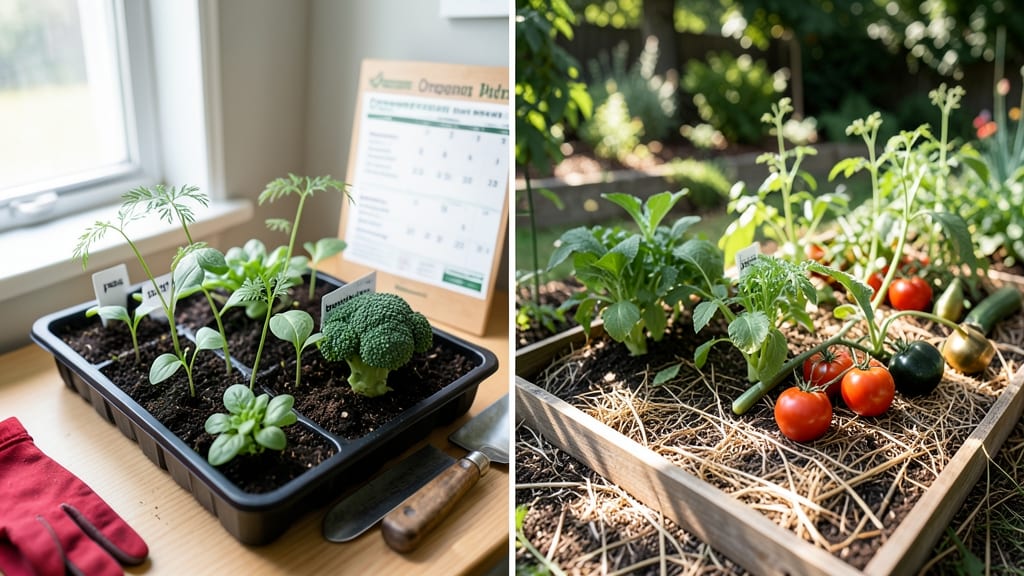
Timing your garden planting in Oregon isn’t one-size-fits-all—coastal mist, Willamette Valley warmth, and high-desert sun all demand different strategies to avoid frost surprises. Whether you’re sowing 🌱 tomatoes or hardy kale, getting the schedule right means the difference between a thriving harvest and a sad, wilted disappointment.
I’ve spent years watching Oregon’s microclimates shift from chilly coastal zones to toasty inland valleys, and the key to success is knowing when to plant. Skip the guesswork: coastal gardeners can start earlier than their Willamette Valley neighbors, while high-desert growers need to wait for soil warmth.
Let’s break down the exact windows for your region.
You’ll discover how to align your planting with Oregon’s last frost dates, from late April in the Willamette Valley to early June in the high desert.
We’ll also cover how to stretch your growing season with smart tricks like row covers and succession planting—because why limit your harvest when you can cheat a little?
Ready to turn your Oregon garden into a year-round success? I’ll walk you through the best months for everything from warm-season veggies to cool-hardy greens, plus pro tips to keep your plants happy no matter where you live in the state. Let’s get started.
Oregon last frost dates by region: coastal, Willamette Valley & high desert
Oregon’s three distinct climate zones create wildly different planting schedules. The coastal region stays cool and damp, while the Willamette Valley enjoys moderate temperatures, and the high desert bakes in summer. Knowing your last average frost date helps you time plantings perfectly for your microclimate.
For coastal Oregon (think Astoria, Cannon Beach), the last frost typically arrives between April 15-30. This delayed warming means you’ll need to wait longer for warm-season crops like tomatoes and peppers.
Meanwhile, the Willamette Valley (Portland, Salem) usually sees its last frost around April 1-15, giving you a head start on planting.
The high desert (Bend, La Grande) has the earliest last frost dates, often by March 15-30. But beware—hot summer days mean you’ll need to plant heat-tolerant varieties or use shade cloth. Each zone also has unique first frost dates in fall, which affect your fall planting windows.
⚠️ PRO TIP: Use these dates as guidelines—check your local weather station or microclimate (like a sunny south-facing slope) for adjustments. A late frost can wipe out tender seedlings overnight!
| Region | Last Frost Date | First Frost Date | Warm-Season Planting Window | Cool-Season Planting Window | Year-Round Options |
|---|---|---|---|---|---|
| Coastal (Astoria, Newport) | April 15-30 | Oct 15-30 | May 15 - July 15 | March 1 - May 15 / Sept 1 - Oct 15 | Kale, spinach, chard, peas |
| Willamette Valley (Portland, Eugene) | April 1-15 | Oct 1-15 | April 15 - July 31 | Feb 15 - April 15 / Aug 15 - Oct 1 | Lettuce, carrots, broccoli, cilantro |
| High Desert (Bend, La Grande) | March 15-30 | Oct 1-15 | April 15 - June 30 | Feb 1 - March 31 / Aug 15 - Sept 30 | Swiss chard, radishes, arugula |
In coastal Oregon, start cool-season crops like broccoli and peas in March for early harvests. The Willamette Valley allows you to plant warm-season crops like tomatoes and peppers as early as mid-April, but protect them with row covers if frost threatens.
High desert gardeners should focus on drought-tolerant varieties and use mulch to retain moisture.
For year-round gardening, coastal areas excel with winter greens like kale, while the high desert thrives with cool-season crops in spring and fall. The Willamette Valley offers the most versatility, supporting both summer and winter harvests.
Always check seed packets for specific days to maturity to plan your succession plantings.
If you’re unsure about your exact microclimate, observe your garden for 3 years to note patterns. Urban areas like Portland may have warmer pockets due to the "heat island" effect, while rural spots can be cooler. Adjust your planting dates based on these observations to avoid frost damage.
Remember, succession planting is key in Oregon’s short growing seasons. For example, plant bush beans every 2 weeks from May to July in the Willamette Valley to enjoy a continuous harvest. Coastal gardeners can extend their season by planting cold-hardy greens in late summer for fall harvests.
Protect tender plants with frost cloth or row covers if late frosts threaten. In the high desert, shade cloth can prevent bolting in heat-sensitive crops like lettuce. With these regional guidelines, you’ll maximize your garden’s potential regardless of where you live in Oregon.
Best planting times for Oregon vegetables, flowers & herbs by type
Oregon’s microclimates mean your planting schedule should match your USDA zone and local conditions. Coastal areas stay cooler longer, while the Willamette Valley and high desert warm up faster.
For warm-season crops like tomatoes and peppers, wait until after your last frost date—typically late May to early June in most regions. Cool-season crops like kale and carrots thrive when planted in early spring or late summer.
Perennial herbs such as rosemary and thyme are more forgiving, but even they perform best when planted at the right time.
In Zone 7-8 (common in western Oregon), start warm-season veggies indoors in March, then transplant after frost. Cool-season crops can handle cooler temps, so sow seeds as early as February or September for a fall harvest. Flowers like zinnias and marigolds love warm soil, so wait until late spring to direct-sow.
🌱 Key Tip: Use row covers or cold frames to extend your planting window in cooler zones. For example, coastal gardeners can start spinach in February with protection, while high-desert gardeners might wait until April.
For high-desert regions (e.g., Bend or La Pine), adjust your schedule 2–4 weeks earlier than coastal areas. Soil temperature is critical—wait until it reaches 60°F for warm-season crops.
Use a soil thermometer to check; most garden centers sell them for under $15. Peppers, in particular, need warm soil to germinate, so consider using heat mats if planting early.
Don’t overlook late summer planting for fall harvests. Broccoli and cauliflower can be sown in August for a cool-season bounty before winter. In milder Zone 9 areas (like parts of southern Oregon), you might even squeeze in a winter garden with kale or spinach under row covers.
Just remember: watering needs drop in fall, but soil prep is key—add compost before planting to retain moisture.
Pro tip: Keep a gardening journal to track your local planting successes and adjust future schedules.
For example, I’ve found that tomatoes in my Portland garden thrive when transplanted on May 15th, but my friend in Eugene waits until June 1st due to later frosts. Experiment with timing—your microclimate might defy the averages! 🌿