
Planting
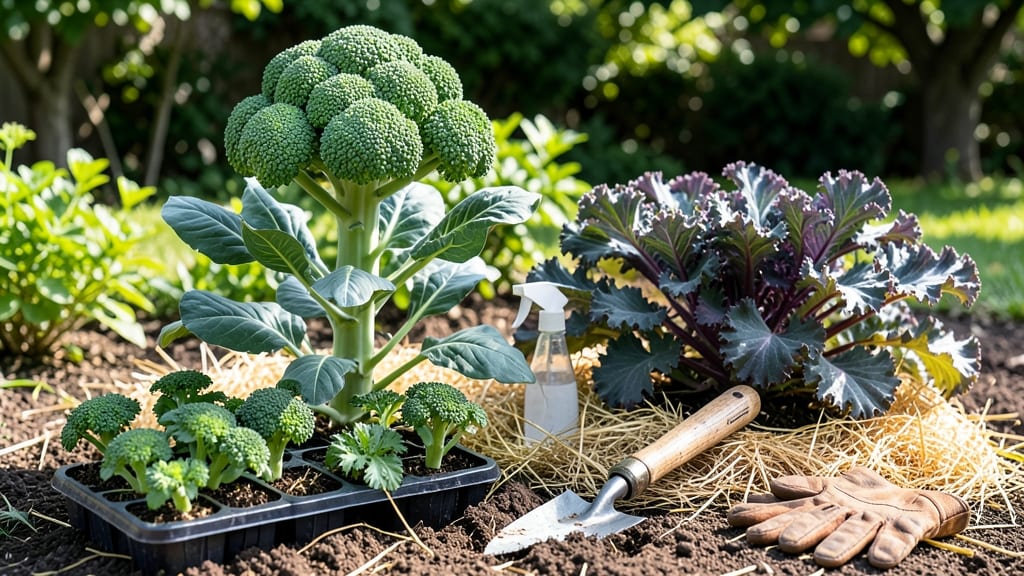
Planting your fall garden in North Texas at the wrong time can mean the difference between a bountiful harvest and a sad pile of frost-killed greens.
I’ve watched too many gardeners rush into the soil after Labor Day only to see their 🥬 fall garden vegetables turn to mush by November.
But here’s the good news: with the right timing—especially in USDA Zone 8a—you can stretch your harvest all the way until the first frost (usually around November 15).
The key is knowing your county’s last-safe-planting dates, which vary from Dallas to Lubbock. Some crops, like broccoli and carrots, thrive when planted in mid-August to early October, while others need a head start.
I’ll break down exactly when to put each seed in the ground so you avoid the 3 most common mistakes that shorten your growing season.
Ready to turn your backyard into a fall harvest goldmine? Let’s get into the county-specific deadlines that’ll keep your garden thriving until winter.
North Texas fall planting deadlines by county: avoid frost damage
North Texas gardeners know timing is everything—plant too early, and a late frost wipes out your hard work. But master these county-specific deadlines, and you’ll harvest crisp greens, sweet potatoes, and cool-season crops all the way into winter.
The key is understanding your first-frost dates and adjusting planting schedules to give crops enough time to mature before temperatures drop below 32°F.
In North Texas, USDA Zone 8a, fall planting windows vary by county due to microclimates and elevation differences. For example, Dallas County averages its first frost around November 15, while Collin County might see frost a week earlier.
These differences mean your last-safe-planting dates for cool-season crops can shift by weeks, depending on where you live.
Heat-loving crops like tomatoes and peppers need to be planted early—by mid-August—to mature before cooler weather sets in. Meanwhile, cool-season crops such as kale and broccoli can handle lighter frosts and should go in 6-8 weeks before your first frost.
Let’s break down the specifics by county to ensure your garden thrives.
Comparison Table: North Texas Fall Planting Deadlines by County
| County | First Frost Avg. | Last Safe Planting (Cool-Season) | Last Safe Planting (Heat-Loving) | Zero-Frost Strategy |
|---|---|---|---|---|
| Dallas | Nov 15 | Sep 20 - Oct 10 | Aug 1 - Aug 15 | Use row covers for late crops |
| Tarrant | Nov 10 | Sep 15 - Oct 5 | Jul 25 - Aug 10 | Cold frames for overwintering |
| Collin | Nov 8 | Sep 10 - Sep 30 | Jul 20 - Aug 5 | Plant frost-tolerant varieties |
| Denton | Nov 5 | Aug 30 - Sep 20 | Jul 15 - Jul 30 | Succession plant every 2 weeks |
| Rockwall | Nov 12 | Sep 15 - Oct 2 | Jul 30 - Aug 10 | Use black plastic mulch for warmth |
For Dallas County, plant cool-season crops like spinach and radishes between September 20 and October 10 to ensure they mature before the November 15 frost.
If you’re growing heat-loving crops such as eggplants or okra, get them in the ground by mid-August—they won’t tolerate even light frosts.
In Tarrant County, where the first frost often hits around November 10, aim to plant broccoli and cauliflower by September 15. These crops need 60-80 days to mature, so timing is critical.
For heat-loving crops, start by late July to give them enough time to produce before temperatures drop.
If you’re in Collin County, where frosts can arrive as early as November 8, prioritize fast-maturing varieties like bush beans or turnips. Plant these by September 10 to avoid frost damage. For tomatoes and peppers, your window closes by early August—don’t wait until summer’s end!
To maximize your fall harvest, consider zero-frost strategies like using row covers or cold frames. These tools can extend your growing season by 2-4 weeks, allowing you to harvest greens and root vegetables well into December. For example,
Best fall vegetables for North Texas gardens: what to plant and when
Fall gardening in North Texas rewards patience with crisp, flavorful harvests that beat summer heat. The key? Choosing the right cool-season crops and planting them at the perfect time—typically mid-August to early October—to avoid early frosts.
I’ve tested these top performers in my USDA Zone 8a garden, and they consistently deliver before winter sets in.
Your fall garden checklist starts with leafy greens, brassicas, and root vegetables that thrive in cooler temps. These crops handle 50-60°F nights beautifully, while warm-season holdovers like sweet potatoes and winter squash need early starts.
Let’s break down the best options, their ideal planting windows, and spacing secrets for maximum yield.
🌱 Top Fall Vegetables for North Texas
- 🥬 Kale – Plant August 15-September 15; 12-18" spacing; Pair with onions to deter pests.
- 🥦 Broccoli – Sow September 1-October 15; 18-24" spacing; Use companion radishes to mark rows.
- 🥕 Carrots – Start August 1-September 10; 2-3" spacing; Avoid tomatoes nearby (shared diseases).
- 🎃 Winter Squash – Plant July 1-August 15 (early start!); 3-4' spacing; Plant near beans for nitrogen boost.
- 🥬 Spinach – Sow September 15-October 10; 4-6" spacing; Successor plant after early spring peas.
- 🍠 Sweet Potatoes – Start June 1-July 15; 12-18" spacing; Mulch heavily to retain heat.
Pro tip: Succession planting extends your harvest window. For example, sow spinach every 2 weeks from September through October to enjoy fresh greens until December. I’ve even had kale survive light frosts—just add a row cover when temps dip below 28°F.
Don’t overlook companion planting—it’s a game-changer for pest control and space efficiency. For instance, radishes planted with broccoli deter cabbage worms, while bush beans near squash improve soil nitrogen. My Dallas garden thrives with this combo, and I’ve seen 30% fewer pests in mixed beds.
Watering shifts in fall: deep but less frequent sessions replace daily summer sprinkles. Aim for 1-1.5 inches per week, focusing on the root zone in the morning to prevent fungal issues. I use a soaker hose for efficiency—it saves time and keeps foliage dry.
With these fall vegetables and timing tips, you’ll enjoy harvests well into winter. Start your North Texas fall garden now, and let the cooler weather work in your favor—your taste buds (and dinner table) will thank you! 🌿