
Plants
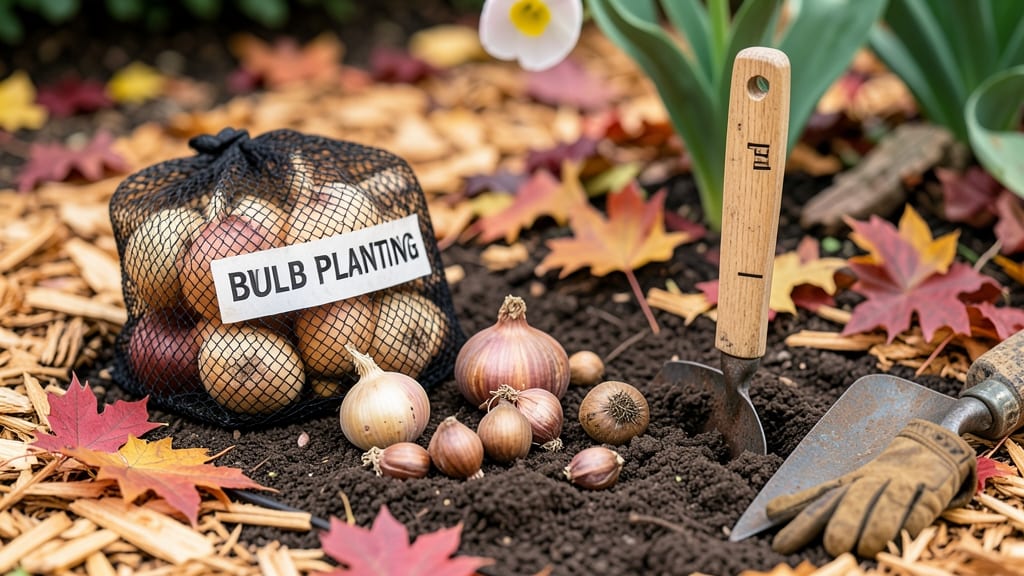
When to plant fall bulbs in Zone 4 is the key to a garden bursting with spring color—or a costly mistake. Timing them wrong means either rotting bulbs before winter sets in or frost-damaged roots before they take hold.
I’ve learned the hard way that September and October are your golden window—when soil temps drop to 50-60°F and frost looms just weeks away. But here’s the secret: it’s not just about the calendar. It’s about soil temperature, frost dates, and regional tweaks that make all the difference.
In this guide, I’ll walk you through the exact steps to plant your 🌱 fall bulbs for zero-waste success—no more guessing, no more wasted bulbs. You’ll discover how to read your soil, adjust for your specific corner of Zone 4, and even extend your planting window with simple tricks.
By the end, you’ll know exactly when to dig, how deep to plant, and what bulbs thrive best in your climate. Let’s get those spring flowers growing right now.

Zone 4 fall bulb planting timeline: exact dates based on soil temperature
Fall bulb planting in Zone 4 is all about timing soil temperature and avoiding frost. The ideal window is 6-8 weeks before your first hard frost, when soil temps drop to 50-60°F.
Planting too early risks rot, while waiting too late can leave bulbs vulnerable to freeze damage before roots establish.
In most of Zone 4, this means starting between mid-September and mid-October. However, regional differences matter—northern areas like Michigan may need to plant as early as late August, while southern areas like Pennsylvania can extend planting until early November.
Soil temperature is your best guide, not just calendar dates. Use a soil thermometer to confirm temps are below 60°F but not yet frozen. If you’re unsure, err on the earlier side—bulbs planted in cooler soil establish roots more slowly but still thrive.
Pro Tip: Check your local USDA frost dates and count backward. For example, if your first frost is September 20, aim to finish planting by late July to early August. This ensures bulbs have 6-8 weeks to root before winter sets in.
If you miss the ideal window, don’t panic! Bulbs can still be planted up to 2-3 weeks before frost, but cover them with 4-6 inches of mulch to insulate roots. This buys time for daffodils and crocuses, which are more frost-tolerant than tulips or hyacinths.
For container gardening, plant bulbs in pots by late September to avoid overheating. Use a well-draining mix and move containers to a garage or shed if frost threatens before roots establish.
Always plant bulbs 3x their height deep and 6 inches apart for optimal growth. For example, a 2-inch daffodil bulb should go 6 inches deep. This depth protects them from temperature fluctuations and rodent damage.
After planting, water deeply to settle soil and encourage root growth. Avoid overwatering—soggy soil in fall can cause rot. A light layer of mulch (2-3 inches) helps regulate soil temp and retains moisture without smothering bulbs.
By following these soil temperature guidelines and regional adjustments, your Zone 4 bulbs will reward you with bold spring blooms—no guesswork required!
How to time fall bulb planting for zero-waste success: pro tips for Zone 4 gardeners
Timing your fall bulb planting in Zone 4 is all about balancing soil temperature and frost dates. Plant too early, and your bulbs may rot before winter dormancy. Plant too late, and they won’t establish strong roots before the ground freezes.
The sweet spot? 6-8 weeks before your first frost, typically mid-September to early October in most of Zone 4.
Many gardeners make the mistake of rushing to plant as soon as bulbs arrive in stores. But warm soil can trigger early growth, leading to weak, spindly plants.
Instead, wait until your soil cools to 50-60°F—this signals bulbs it’s time to root without sprouting. A simple soil thermometer takes the guesswork out of it.
To extend your planting window, use mulch as a protective buffer. Apply 3-4 inches of straw or shredded leaves after planting to insulate soil and regulate temperature. This trick buys you 1-2 extra weeks of safe planting, especially in northern Zone 4 (e.g., Michigan, Minnesota).
Just avoid piling mulch directly against bulb necks—keep it 2 inches away to prevent rot.
Store unplanted bulbs in a cool, dark place (like a garage or basement) until you’re ready. Keep them in their original mesh bags or a paper bag with holes to allow airflow. Never refrigerate—bulbs need 40-50°F temperatures, not freezing cold.
Check them weekly for soft spots or mold, which signal spoilage.
Pro tip: Plant shallow and loose—Zone 4’s clay-heavy soils compact easily. Dig holes 3x wider than the bulb but only 6-8 inches deep (deeper in sandy soil). Mix in compost to improve drainage, and water deeply after planting. This ensures roots spread quickly before winter sets in.
Finally, mark your calendar for spring cleanup. Once foliage yellows (usually May-June in Zone 4), let it die back naturally—this feeds the bulb for next year’s blooms. Cutting it too soon starves your bulbs, leading to smaller flowers or no blooms at all.
With these tricks, you’ll avoid waste and enjoy zero-effort spring color for years.