
Plants
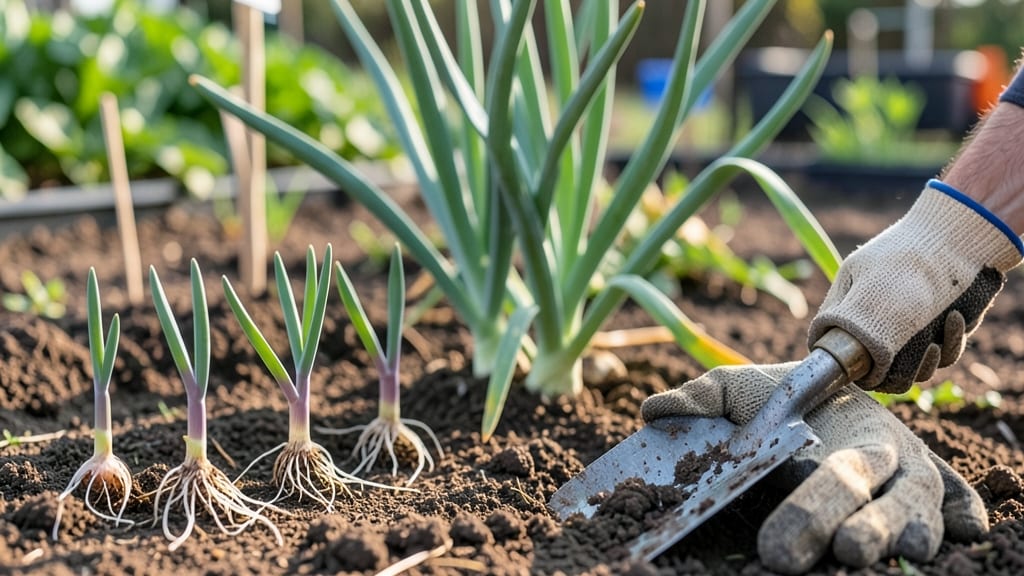
Planting fall onions in Zone 7 at the wrong time means either bitter bulbs or wasted effort—because 60–90 days before frost is your sweet spot, not a flexible guess. The key? Cool soil temps (55–65°F) and the right calendar window to avoid bolting before harvest.
I’ve learned the hard way that rushing or waiting too long turns your garden into a science experiment you don’t want to repeat.
Zone 7’s mild winters give you a second chance at onions, but only if you time it right. Start too early in August, and you’ll get tough, stringy greens. Wait until October, and frost will steal your crop before bulbs mature.
The solution? A soil thermometer and a 30-day rule—plant when daytime temps dip but nights stay above freezing. This isn’t just theory; it’s how I’ve gone from zero-bolt failures to harvests of sweet, tender 🧅 bulbs every fall.
What if your microclimate throws off the schedule? Urban heat islands or elevated garden beds can push your window 2+ weeks earlier than the general rule. I’ll show you how to test your soil, adjust for containers, and even salvage late starts with the right mulching tricks.
No more guessing—just data-driven planting that works for your specific Zone 7 conditions.
Ready to stop the trial-and-error? By the end of this guide, you’ll know the exact dates to plant, which onion varieties thrive in your climate, and how to protect your crop from Zone 7’s unpredictable weather. Let’s get those fall onions growing like a pro.

Ideal planting windows for fall onions in Zone 7 by soil temperature
Fall onions thrive in Zone 7 when planted at the right time—mid-August to early October—but the key isn’t just dates. Soil temperature between 55–65°F prevents bolting while ensuring bulbs mature before frost.
Too early? Your onions bolt. Too late? Frost ruins your harvest. Let’s break it down by science-backed timing.
Onions need 90–120 days to form bulbs, but Zone 7’s unpredictable fall demands precision. The 30-day frost-free rule means planting when your area has at least 30 days left before the first 28°F frost.
For most of Zone 7, this lands in late August to early September, but soil temperature is your real guide.
Here’s the secret: Soil thermometers are your best friend. Aim for 55–65°F at planting depth (1–2 inches). Cooler soils delay growth, while warmer soils speed up bulb formation—critical for avoiding frost. Early varieties (like ‘Red Baron’) tolerate cooler temps, while late varieties (like ‘Stuttgarter’) need warmer soils to bulb properly.
🌱
For early varieties, mid-August planting gives you a 120-day window to maturity, but bulbs may stay small. Ideal timing in early September balances growth and frost risk, while late September works only for fast-maturing varieties.
Always check your last frost date—Zone 7’s average is November 15, but microclimates vary.
Pro tip: Test your soil with a thermometer at 1–2 inches deep before planting. If temps dip below 55°F, wait. If they’re above 70°F, your onions may bolt. Mulch with straw (2–3 inches) to stabilize soil temps and retain moisture, especially in Zone 7’s dry spells.
💧
Don’t forget: Daylength matters. Onions need 10–12 hours of daylight to bulb properly. In Zone 7, days shorten in late September, so plant by mid-September to avoid stunted bulbs. If you’re late, opt for shallot varieties, which tolerate shorter days better.
Finally, harvest before hard frost. Even if bulbs aren’t fully formed, green onions (harvest tops) or small bulbs (cure for storage) are still usable. Store cured onions in a cool, dry place (50–60°F) for up to 6 months.
✂️
How to adjust planting for microclimates in Zone 7 (urban vs. rural)
Zone 7’s urban heat islands can push soil temps up by 10°F+ compared to rural areas, throwing off your fall onion planting schedule. A container garden on a rooftop might need planting 2 weeks earlier than your backyard, while a shady microclimate could delay it by the same margin.
Understanding these shifts is key to avoiding bolting or frost damage.
Start by testing your soil temperature at 2-inch depth—the sweet spot for fall onions is 55–65°F. Use a soil thermometer (just $10 at garden centers) to check temps morning and evening.
In cities, concrete and asphalt can keep soils 5–10°F warmer than rural soils, so adjust your calendar accordingly.
⚠️ callout warning ⚠️
If your containers or raised beds sit in full sun on black surfaces (like asphalt or dark mulch), soil temps can spike to 80°F+—too hot for fall onions. Delay planting until evening temps drop to 75°F or below, or move containers to partial shade during peak heat.
🔹 Pro Tip: Test temps for 3 consecutive days before committing to a planting date.
For raised beds, warm up faster than open ground, so plant 1–2 weeks earlier. If your bed is elevated and exposed, monitor soil temps closely—you might need to shade with row covers during heatwaves.
In rural areas, cooler microclimates (like near ponds or shaded woodlots) can extend your window 2 weeks later than urban guidelines.
Wind exposure also plays a trick. Open fields dry out faster, so water deeply 2–3x/week in windy zones, while sheltered spots (like near fences or buildings) may need less frequent watering. Use mulch (straw or grass clippings) to stabilize soil temps and retain moisture—critical for bulb development in fall.
Containers dry out 3x faster than ground soil, so adjust your planting window 1 week earlier if growing in pots. Choose smaller varieties like ‘Stuttgarter’ or ‘Red Baron’ for containers, as they mature faster.
In elevated urban gardens, also watch for heat stressmove containers to shade or plant later.
Finally, keep a planting journal for 2 years to track your local microclimate quirks. Note when soil hits 55°F, how long it stays there, and how your onions respond. With this data, you’ll refine your timing like a pro—no more guesswork, just foolproof fall onions every season. 🧅