
Plants
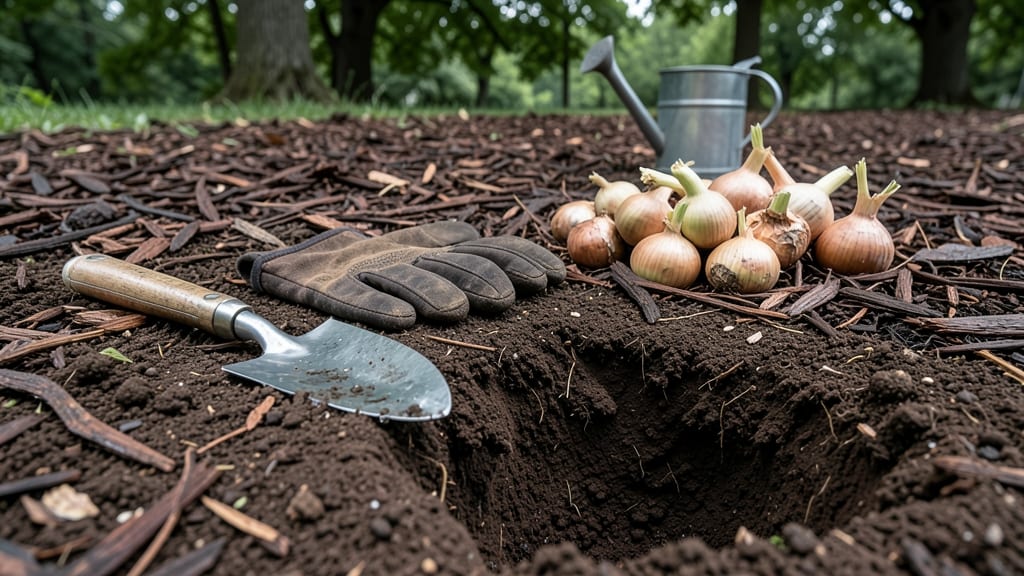
Planting calla lily bulbs at the wrong time in Zone 8 can mean the difference between stunning 🌸 blooms and wasted effort.
The key isn't just waiting for spring—it's timing the soil temperature just right, usually between 50°F and 60°F, which in Zone 8 typically lands between late February and early March.
But here's the catch: coastal areas might be ready weeks earlier than inland spots, thanks to milder microclimates. If you plant too soon, frost can still sneak in; too late, and you'll miss peak flowering season.
I'll show you how to read your local cues and adjust your schedule for foolproof results.
Most gardeners in Zone 8 focus on the last frost date, but that's only part of the story. The real secret lies in understanding how your specific location—whether it's a heat-absorbing city lot or a cooler hillside—affects when your soil warms up.
Let me walk you through the exact steps to get your calla lilies off to the strongest start.
With the right timing, you'll be rewarded with bold, dramatic blooms that last from summer through early fall. Whether you're a first-time planter or a seasoned gardener, these insights will help you avoid common mistakes and create a showstopping display year after year.

Zone 8 calla lily planting calendar: soil temperature rules for perfect timing
Timing your calla lily bulb planting in Zone 8 isn’t just about months—it’s about soil temperature. These tropical beauties need warm roots to thrive, and planting too early risks frost damage, while waiting too long delays those stunning summer blooms.
The magic window starts when soil hits 50°F-60°F, signaling it’s safe to plant.
Zone 8 spans coastal areas (like San Diego) to inland deserts (like Phoenix), where microclimates shift planting dates by 2-4 weeks. Coastal regions warm faster, while inland zones may need to wait for stable soil temps. Use a soil thermometer—it’s your best tool for precision planting.
Here’s the exact schedule based on Zone 8’s soil temperature thresholds and last-frost dates, adjusted for coastal vs. inland microclimates:
For Zone 8 gardeners, the last-frost date is your starting point—but don’t rush! Calla lilies need consistent warmth to establish roots. If your area experiences late frosts (like inland valleys), wait until soil stays above 55°F for 5+ days before planting.
If you’re in a coastal Zone 8 area, you can plant as early as late February, but monitor for unexpected cold snaps. Use mulch (straw or pine needles) to insulate bulbs if nights dip below 45°F.
Inland zones should aim for mid-March to avoid root rot from lingering moisture.
Once planted, calla lilies thrive in partial shade (4-6 hours of sun) and moist, well-draining soil. After planting, water deeply to settle soil around bulbs, then maintain 1 inch of water weekly. Avoid overhead watering to prevent fungal diseases like leaf spot.
Your Zone 8 calla lilies will reward you with summer blooms from June to September if planted at the right soil temperature. Use this schedule as your guide, but always adjust for your microclimate.
A few weeks early or late won’t kill them—but timing ensures vibrant, long-lasting flowers all season.
For extra insurance, harden off potted calla lilies before transplanting: place them outside during the day for 3-5 days before final planting. This helps bulbs adapt to soil temps and reduces transplant shock.
🌸 Remember: Calla lilies are forgiving, but soil temperature is non-negotiable. When in doubt, wait—your summer garden will thank you with bold, dramatic blooms! 🌿
Microclimate secrets: how to adjust planting dates in Zone 8’s hot spots and cold pockets
Zone 8’s microclimates can shift your calla lily planting window by 2-4 weeks, turning a standard schedule upside down. Urban heat islands near concrete or asphalt can push soil temperatures up 5°F-10°F warmer than rural areas, while shaded valleys or high elevations may delay warming by weeks.
These variations mean the standard March planting date might be too early in cold pockets or too late in hot spots.
To nail your timing, start by identifying your garden’s microclimate type. Is it a sun-baked city lot where pavement radiates heat at night? Or a wind-swept hillside where cold air pools? Even a 50-foot elevation change can create a 10-day planting difference.
My Zone 8b garden in downtown Phoenix plants calla lilies in late February, while my friend’s mountain foothill garden waits until mid-April—same zone, wildly different results.
- 🌆 Urban Heat Islands: Plant 2-3 weeks earlier (Feb 15-March 1). Soil warms 10°F+ faster near pavement.
- 🏔️ High Elevations (1,000+ ft): Delay until late March-early April. Cold air lingers longer.
- 🌬️ Wind-Exposed Areas: Wait for consistent 60°F soil temps (use a soil thermometer). Wind delays warming.
- 🌳 Shaded Valleys: Plant 1-2 weeks later than sunny spots. Soil stays 5°F cooler.
- 💧 Near Water Bodies: Adjust 1 week earlier. Water retains heat, warming soil faster.
Your first step is a microclimate audit. Grab a soil thermometer and check temperatures at 6 AM (when soil is coolest) for 3 days in potential planting spots. If your urban garden hits 60°F by February 20, you’re golden—plant immediately.
But if your mountain garden only reaches 60°F by April 5, wait. I once planted calla lilies in early March in my sunny backyard only to watch them wilt from heat stress when a 95°F heatwave hit. Lesson learned: soil temp > air temp for timing.
Wind exposure is another game-changer. A windbreak (like a fence or hedge) can create a microclimate oasis where soil warms 3-5 days faster than open areas. My north-facing garden stays cooler, so I plant 2 weeks later than my south-facing border.
Even 5 mph wind can delay soil warming by 1-2 days, so factor this in if your yard is open and breezy. A simple wind gauge (or even your anemometer app) helps track these shifts.
Don’t overlook water proximity. Gardens near ponds, lakes, or irrigation ditches can have soil that’s 5°F-8°F warmer than dryland spots. This is because water absorbs and radiates heat more slowly.
If your calla lilies are near a retention pond, you might plant 1 week earlier than your neighbor’s dry, inland garden. I test this by comparing soil temps 20 feet from the water’s edge vs. 50 feet away—the difference is shocking.
Finally, create a personalized planting checklist based on your microclimate. Start with the standard Zone 8 window (March 1-15), then adjust using your audit data. For example:
- Urban heat island? Subtract 2 weeks from the standard date.
- High elevation? Add 3 weeks to the standard date.
- Wind exposure? Wait for 3 days of 60°F+ soil temps before planting.