
Plants
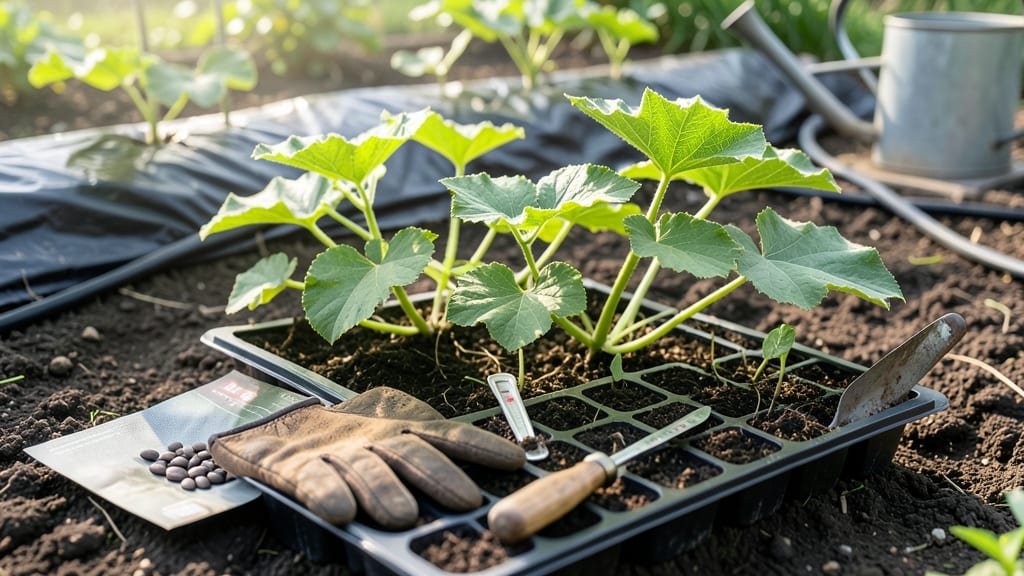
Planting cantaloupe seeds in Texas isn't just about the calendar—it's about catching that sweet spot between frost and scorching heat when the soil finally warms up to 70°F or higher. Skip this window, and your vines either shiver or wilt before they even take root.
I’ve learned the hard way that timing isn’t one-size-fits-all across the state, especially when North Texas freezes can linger while South Texas soils bake by March.
For most of Texas, the ideal planting window opens in late March to early April once nighttime temperatures stay consistently above 55°F.
But here’s the catch: if you’re in the Panhandle or Hill Country, wait until after the last frost—usually mid-April—while Gulf Coast gardeners can start as early as February in protected beds. The key is soil temperature, not just air temperature, and cantaloupe seeds need that warmth to germinate.
Once you’ve got the timing right, the real work begins. Cantaloupes thrive in Texas’s heat but demand consistent moisture during germination and plenty of space to sprawl—think 3 feet between vines.
I’ll show you how to prep your soil, choose the right varieties for your region, and avoid the three mistakes that turn promising starts into sad, wilted plants. Let’s get those seeds in the ground the right way.
By the end of this guide, you’ll know exactly when to plant for your specific Texas heat zone, how to stretch your harvest season, and which tricks keep your cantaloupes 🌱 thriving until fall. No more guessing—just sweet, ripe melons when you need them most.
Texas soil temperature Zones: when cantaloupe seeds will actually germinate
Cantaloupe seeds need consistent warmth to germinate—soil temperatures below 70°F will stall sprouting, while ideal germination occurs between 70-90°F. Texas’s diverse climate means North Texas gardeners face cooler springs, while South Texas can plant earlier.
Understanding your heat zone and last-frost dates is key to avoiding wasted seeds or stunted vines.
Texas spans USDA Zones 7b-9a, but cantaloupe thrives best in Zones 8-10. In North Texas (Zones 7b-8a), wait until after April 15—after the average last frost—when soil temps consistently hit 75°F+.
Meanwhile, Central Texas (Zones 8a-8b) can start seeds by March 15 in greenhouses or after March 30 outdoors, while South Texas (Zones 9a-10) enjoys year-round planting with peak success from February to April.
Use a soil thermometer to verify warmth—cantaloupe seeds won’t sprout below 70°F, even if air temps feel warm. In cooler zones like Dallas or Austin’s outskirts, opt for black plastic mulch to raise soil temps 5-10°F faster than bare earth.
For South Texas gardeners in San Antonio or Brownsville, prioritize shade cloth (30-50%) during late spring heatwaves to prevent seed desiccation before germination.
For North Texas, focus on late April to early May plantings—this aligns with soil temps of 75°F+ and avoids late spring frosts.
In Austin or College Station, March 15 is your cutoff for direct sowing; anything earlier risks cold soil and poor germination. South Texas gardeners can push fall plantings into October for late-season harvests, but soil must stay above 65°F for seeds to sprout.
Pro tip: Pre-warm seeds by soaking them in warm water (80°F) for 24 hours before planting—this boosts germination rates by 30% in marginal zones. Pair this with row covers for 2-3 weeks post-planting to trap heat and moisture.
In drier regions like Lubbock, drip irrigation set to run early morning keeps soil temps stable and prevents seed desiccation.
Watch for soil temp fluctuations—a single cold snap below 60°F can kill young seedlings. In Central Texas, April showers often drop nighttime temps, so use a mini greenhouse or cloches until plants hit 4 inches tall. For South Texas, late summer heat (above 95°
Avoid these 3 common mistakes that ruin cantaloupe planting in Texas heat
Texas summers bring intense heat that can turn your cantaloupe dreams into wilting vines if you're not careful. I've seen firsthand how one wrong move can mean the difference between a bountiful harvest and a sad, shriveled plant.
The key is understanding what cantaloupes hate in our climate - and when to avoid it.
First-time growers often plant too early in cooler North Texas zones, only to watch their seeds rot in damp, chilly soil. Even in Central Texas, waiting until the soil hits 75°F prevents germination struggles.
Let’s break down these critical mistakes and how to fix them before your cantaloupe vines hit the heat.
Cantaloupe seeds won't germinate below 70°F soil. In North Texas, this means waiting until mid-April at the earliest. Central and South Texas gardeners can start as early as late March, but always check soil temp with a soil thermometer.
🌱 Pro Tip: Use black plastic mulch to warm soil faster if you're eager to plant.
Another common error is ignoring soil moisture during germination. Cantaloupe seeds need consistent dampness but will drown if overwatered. I’ve lost entire seed batches by keeping them too wet in Texas clay soil, which holds moisture like a sponge.
The fix? Water just enough to keep soil moist - about 1 inch of water per week - and use drip irrigation to avoid soggy seeds.
Finally, many gardeners transplant too soon after seedlings emerge, shocking their roots when Texas heat hits. Wait until seedlings have 3-4 true leaves and soil is consistently 80°F+ before moving them outdoors. Harden off seedlings gradually over 7-10 days to prevent shock.
One more critical tip: Choose heat-tolerant varieties like 'Athena' or 'Hale’s Best' for Texas summers. These handle 100°F+ temps better than standard cantaloupes. Pair them with morning watering and shade cloth during peak heat to maximize survival rates.
By avoiding these three mistakes - planting too early, overwatering seeds, and transplanting prematurely - you’ll give your cantaloupes the best shot at thriving in Texas’s brutal summer sun. The payoff? Sweet, juicy melons that make all the effort worth it. 🌿