
Plants
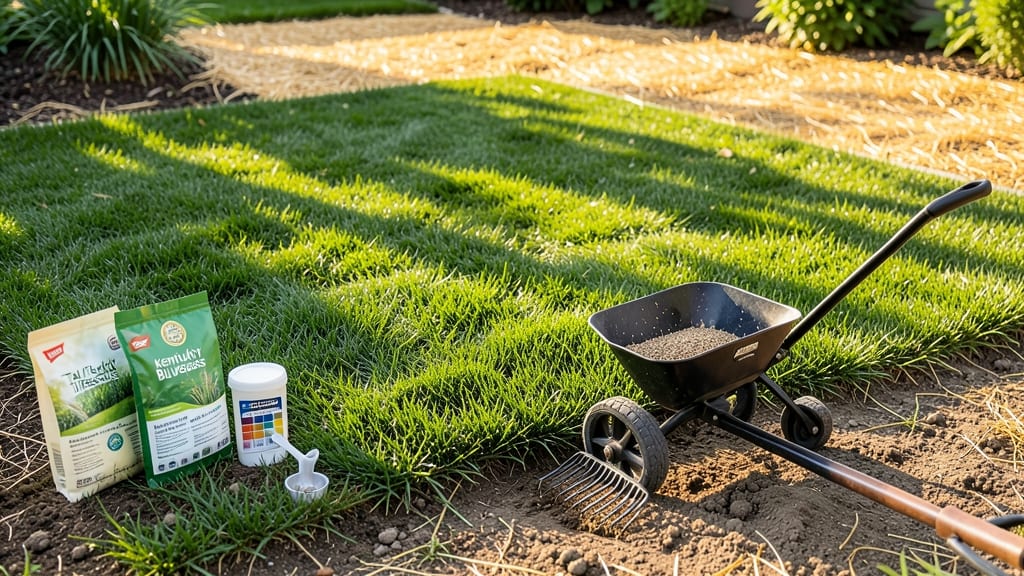
Planting your 🌱 lawn grass in Pennsylvania at the wrong time can turn your green dreams into a patchy, weed-filled disappointment—but getting the timing right means the difference between a lush carpet and months of frustration.
With Pennsylvania’s 5b-7a climate zones and unpredictable spring weather, knowing when to plant isn’t just about following a calendar. It’s about reading your soil’s temperature, understanding regional microclimates, and avoiding the common mistakes that leave lawns struggling to take root.
Whether you’re seeding a new lawn or overseeding an existing one, the best planting windows in PA are early spring (March-April) or early fall (September-October).
But here’s the catch: even within these months, your local conditions—like last frost dates or summer droughts—can shift the ideal timing by weeks.
I’ll break down exactly when to plant, how to prep your soil, and the 5 pro tips that’ll help your grass thrive no matter where you are in the state. Let’s get started.
Pennsylvania grass planting timeline: soil temperature & regional variations
Timing your grass planting in Pennsylvania isn’t one-size-fits-all. The Keystone State’s three distinct regions—Piedmont, Allegheny Plateau, and Erie—can shift ideal planting windows by 3-4 weeks. While most gardeners aim for soil temperatures above 50°F, regional microclimates and unpredictable spring weather demand precision.
Plant too early, and your seeds may rot; too late, and weeds will outcompete your grass.
Understanding these regional differences is key. The Piedmont region (south-central PA) often sees warmer springs, while the Erie region (northwest) can linger near freezing well into May. Even within zones, elevation changes—like those in the Allegheny Plateau—can delay soil warming by weeks.
That’s why testing your soil’s readiness with a simple soil thermometer ($10 at garden centers) is a game-changer.
Here’s the science: Grass seeds need consistent soil temps of 55°F+ to germinate reliably. Below that, fungal diseases like pythium thrive, turning your lawn into a petri dish of rot.
In Pennsylvania, this typically translates to late March to early April for spring planting, but your exact window depends on where you live. For fall, aim for 6-8 weeks before first frost (usually September-October), when soil stays warm but air cools.
Don’t guess—test your soil. Stick a thermometer 2-3 inches deep in full sun. If it reads below 50°F, wait. Pro tip: Check temps at 10 AM on a cloudless day for the most accurate reading.
In my Pittsburgh yard (Zone 6b), I’ve seen soil temps fluctuate by 15°F in a single week—that’s why patience pays off.
Regional timing isn’t just about dates—it’s about soil conditions. For example, the Allegheny Plateau’s thin, rocky soil warms slower than the Piedmont’s loamy topsoil. If you’re in a high-elevation area, consider cover crops like clover in summer to insulate the soil and jumpstart fall planting.
I’ve seen neighbors in State College plant cool-season grasses in early September with 90% germination rates by using black plastic mulch to warm the soil.
Fall planting often gets overlooked, but it’s my top recommendation for Pennsylvania. Why? Cooler air reduces weed competition, and established roots have 6-8 weeks to grow before winter. Aim for 60-70°F soil temps (ideal for most grass types) and 50-60°F air temps.
In Erie County, I’ve planted tall fescue in early September with minimal weed pressure—the key was prepping the soil in August by aerating and adding compost.
One mistake I see often? Planting based on air temperature instead of soil temperature. A 60°F morning might feel perfect, but if your soil is still 45°F, your seeds will fail. Use a soil thermometer for 3 consecutive days to confirm consistency.
Pro move: Bury it 2-3 inches deep in a shady spot (soil under trees stays cooler longer) and a sunny spot to compare. If there’s a 10°F+ difference, you’re not ready.
For
How to choose between spring vs. fall planting for your PA lawn
Deciding whether to plant grass in spring or fall in Pennsylvania depends on your yard’s unique conditions. Both seasons offer advantages, but factors like soil temperature, drought risk, and weed competition can tip the scales.
For example, southern PA’s warmer microclimates may favor spring planting, while northern regions often see better success in fall.
Spring planting (March-April) gives you a head start on summer growth, but late frosts and dry spells can stress young grass. Fall planting (September-October), on the other hand, allows seeds to establish roots before winter, resulting in a stronger lawn the following spring.
However, fall’s shorter growing window means you must act quickly once soil cools.
Your yard’s specific conditions—like shade levels, foot traffic, and soil type—will further influence your decision. Shady lawns, for instance, may benefit from fall planting when weeds are less aggressive, while high-traffic areas might need the extra time spring provides for full establishment.
Spring vs. Fall Planting for PA Lawns
Spring Planting
- Pros: Longer growing season, faster visual results
- Cons: Risk of late frosts, drought stress, weed competition
Fall Planting
- Pros: Cooler temps reduce weeds, roots establish before winter
- Cons: Shorter window for growth, early frost risk
Best for shady lawns: Fall
Best for high-traffic areas: Spring
To decide, start by testing your soil temperature—it should be at least 55°F (13°C) for spring or 60-65°F (15-18°C) for fall. Use a soil thermometer or the "back of your hand" test: if the soil feels warm but not hot, it’s ready.
For clay-heavy soils, fall planting often works better because spring’s rapid warming can cause moisture loss.
Next, consider your grass seed type. Cool-season grasses like tall fescue or Kentucky bluegrass thrive in both seasons but establish faster in fall. Warm-season grasses like zoysia (less common in PA) should only be planted in spring.
If you’re overseeding an existing lawn, fall is typically the safer bet due to reduced weed pressure.
Create a simple checklist to finalize your decision: ☑️ Test soil temperature (spring: 55°F+, fall: 60-65°F) ☑️ Check your yard’s shade levels (more shade = fall planting) ☑️ Note local drought forecasts (spring = higher risk) ☑️ Decide between new lawn or overseeding (fall is easier for overseeding) Once you’ve weighed these factors, you’ll have a clear answer tailored to your PA yard’s needs. 🌱