
Plants
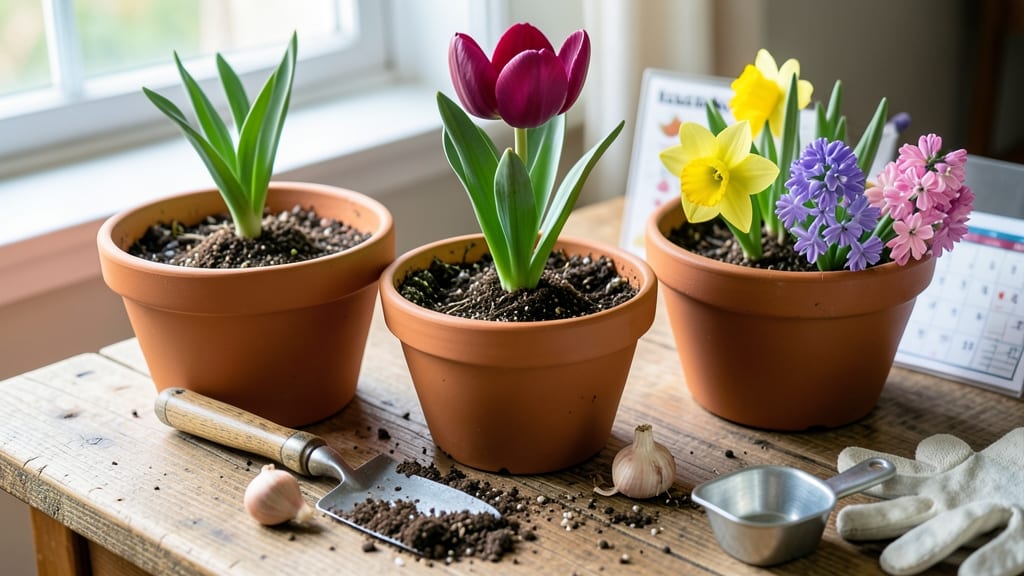
Planting bulbs in pots at the wrong time can mean the difference between a burst of spring color and a sad, wilted mess. The key is timing—too early, and your 🌱 bulbs will rot; too late, and they might never bloom.
Whether you're in zone 6a or a warmer climate, knowing the exact months to plant ensures vibrant growth and stunning flowers.
Most gardeners swear by fall planting for spring bloomers like tulips and daffodils, but containers add a twist. Smaller pots dry out faster, so you'll need to adjust your schedule slightly.
I’ll break down the best months for your zone, plus pro tips to keep your bulbs thriving all season long.
Want to force blooms indoors for the holidays? Or extend your garden’s life with late-season plantings? You’ll discover how to time it perfectly for both spring and fall bloomers, no matter where you live. Let’s get your pots ready for a showstopping display!
From pre-chilling bulbs to choosing the right container size, I’ve got the exact steps to avoid common mistakes. Whether you’re a beginner or a seasoned gardener, these insights will help you grow bulbs that bloom like clockwork—every single time.
Best planting months for bulbs in pots by USDA climate zones
Growing bulbs in pots lets you enjoy vibrant blooms even in small spaces, but timing is critical. Unlike in-ground planting, containers warm up faster in spring and cool down quicker in fall, shifting your ideal planting windows by 2-4 weeks depending on your USDA zone.
In cold zones (3-6), aim for early fall planting to establish roots before frost, while warmer zones (7-9) can plant later or even in winter.
Spring-blooming bulbs like tulips and daffodils need 6-8 weeks of cold dormancy to flower well, so timing varies dramatically from Zone 3 (plant in September) to Zone 9 (plant in November-December).
Fall-blooming varieties such as hyacinths and crocuses have more flexibility but still require careful scheduling to avoid rot in soggy pots during winter rains.
Pro tip: Use well-draining soil mixes with perlite or sand to prevent waterlogged roots, especially in containers where drainage is critical. For subtropical zones (10+), opt for winter-flowering bulbs like paperwhites and plant in late fall for holiday blooms.
For early vs. late varieties, adjust planting dates by 2-3 weeks. Early tulips (like 'Darwin Hybrid') can handle slightly later planting, while late daffodils (such as 'Ice Follies') need the full 8-week dormancy.
In containers, this means planting early varieties first if you want a staggered bloom sequence.
In Zone 9 and above, traditional spring bulbs often fail because they can't tolerate summer heat. Instead, focus on winter-blooming varieties like paperwhites or amaryllis, which thrive in cool winter conditions. Plant these in late fall (November-December) for holiday-season blooms that brighten up dark winter days.
Container size matters: Smaller pots (6-inch diameter) dry out faster, so plant 1 bulb per pot and water more frequently. Larger pots (10+ inches) can hold 3-5 bulbs and establish better root systems, extending their lifespan. Always use pots with drainage holes to prevent root rot from excess moisture.
If you live in a transition zone (like Zone 7b), monitor soil temperatures—plant when temps drop below 60°F for 6+ weeks. For potted bulbs, this often means waiting until mid-November instead of October.
Use a soil thermometer to track conditions and avoid planting too early when roots won't establish properly.
For extended blooms, try staggered planting: Plant 1/3 of your bulbs at the recommended time, then add another 1/3 every 2 weeks. This creates a sequential display from early spring through late winter. Just ensure all bulbs get the same light and water conditions for consistent growth.
Remember, bulbs in pots need more frequent watering than in-ground plants because containers dry out faster. After planting, water deeply once to settle the soil, then check weekly—water when the top 1 inch of soil feels dry. Reduce watering in
How to adjust planting timing for potted bulbs in containers
Adjusting planting timing for potted bulbs is key to avoiding common mistakes like rot from early planting or missed blooms from late planting. Containers warm up faster than garden beds, so timing shifts slightly compared to in-ground planting.
For spring bloomers like tulips and daffodils, plant 4-6 weeks before your last frost date—usually March-April in most zones. Fall-planted bulbs like hyacinths and crocuses need 6-8 weeks before ground freezes, often September-November.
Container size dramatically affects timing and success. Smaller pots (6-inch diameter) dry out faster and may need earlier planting to establish roots before dormancy. Larger pots (10+ inches) can handle slightly later planting because they retain moisture longer.
For example, a 12-inch pot with well-draining soil might accommodate a 2-week later planting window compared to a tiny container.
⚠️ callout warning ⚠️
⚠️ Critical Timing Mistakes to Avoid
Planting bulbs in pots too early risks rot from excess moisture—containers can't drain as efficiently as garden soil. Conversely, planting too late means bulbs won't establish roots before dormancy, leading to weak or no blooms.
Solution: Use a moisture meter to check soil before planting. Aim for 60% moisture—if soil stays soggy for >48 hours, delay planting by 1-2 weeks.
💡 Pro Tip:
For tropical zones (USDA 10-11), plant fall bulbs in December-January and spring bulbs in January-February to align with cooler seasons.
Staggered planting extends your bloom season in containers. Plant 1/3 of bulbs at the recommended time, then add another 1/3 every 2-3 weeks for a 6-8 week flowering display. This works especially well with tulips and daffodils.
For example, if your last frost is April 15, plant the first batch on March 1, the second on March 15, and the third on March 30. Each group will bloom sequentially, creating a continuous show.
Pre-chilling bulbs mimics winter conditions and is essential for tropical or indoor-grown bulbs like paperwhites or hyacinths. Place bulbs in a plastic bag with moist peat moss and store them in your refrigerator's crisper drawer (35-40°F) for 8-12 weeks before planting.
This mimics the natural winter dormancy period and ensures robust blooms. Skip pre-chilling for cold-hardy bulbs planted outdoors in winter.
Overcrowding is a silent killer of potted bulbs. Follow the 1-2 inches apart rule for small bulbs (crocus, grape hyacinths) and 3-4 inches apart for larger ones (tulips, daffodils). In a 12-inch pot, you can fit 3-5 bulbs depending on size.
Overcrowding leads to competition for nutrients and poor air circulation, increasing disease risk. Always use well-draining potting mix with perlite or sand to prevent waterlogging.
To troubleshoot poor drainage, add a 2-inch layer of gravel or broken pottery at the bottom of the pot before planting. This creates an air pocket to prevent root rot. If you notice yellowing leaves or mushy bulbs, it’s a sign of overwatering.
Adjust your watering schedule to every 7-10 days once shoots appear, and always water at the base of the plant to avoid wetting the foliage. Mulching with orchid bark or straw helps regulate soil temperature and moisture.