
Plants
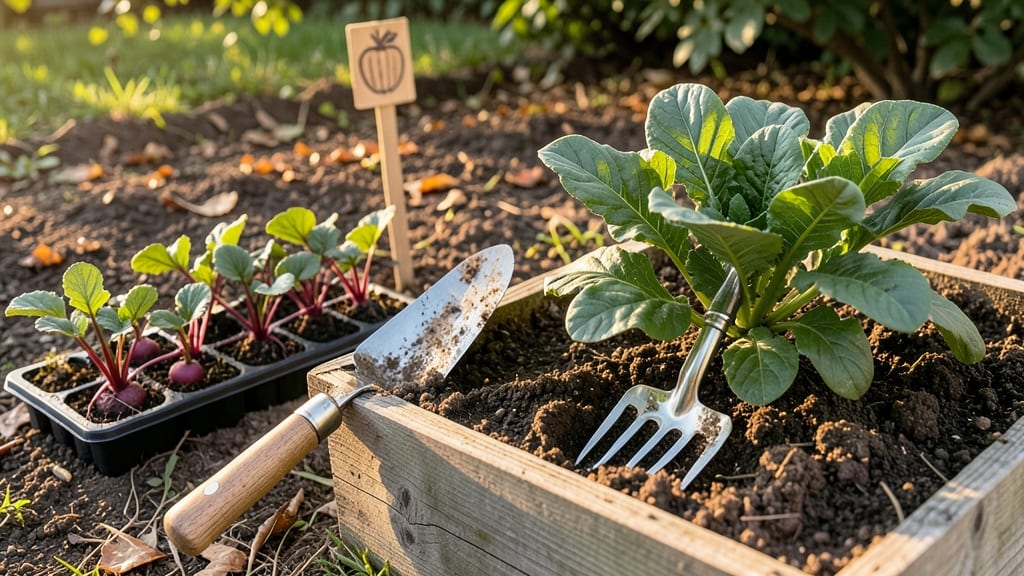
Planting your 🍠 beets at the right time for when to plant fall beets in Zone 7 can mean the difference between a bumper harvest and a sad, stunted mess.
Too early, and those warm summer soils will send your beets bolting before they even reach full size. Too late, and frost will turn your hard work into mushy disappointment.
I’ve learned the hard way that timing is everything—especially when you’re aiming for those sweet, tender beets that last straight through fall. The key? Starting 4-6 weeks before your first frost, when soil temperatures dip just enough to slow down growth but not so much that seedlings struggle.
That window in Zone 7 (7a-7b) usually lands in late summer, but there’s more to it than just picking a date.
What if I told you there’s a way to stretch your beet harvest even longer? With the right techniques—like succession planting and frost protection—you can keep enjoying fresh beets well into winter.
Let’s break down exactly when to plant, how to prep your soil, and the best varieties to choose for a Zone 7 fall garden that just won’t quit.
Whether you’re a seasoned gardener or just starting out, getting this right will save you time, frustration, and maybe even a few trips to the grocery store. Ready to dig in?

Zone 7 fall beet planting timeline: exact weeks before frost
Fall beets thrive in Zone 7 when planted at the right moment—too early, and they’ll bolt before winter; too late, and frost steals your harvest. The key is timing your seeds 4-6 weeks before your first frost date, ensuring they mature before temperatures drop below 25°F (-4°C).
Most beet varieties need 50-70 days to reach harvest, so your countdown begins here.
Start by calculating your average first frost date—typically October 15 for Zone 7a and November 1 for Zone 7b. Work backward: subtract 60 days (ideal maturity time) to land on your optimal planting window.
For Zone 7, this usually falls between late July and mid-August, but adjust for your microclimate—cooler inland areas may need an earlier start.
Soil temperature matters too. Beets germinate best in soil that’s at least 50°F (10°C). In Zone 7, this usually aligns with late summer, but if your soil stays warm into early fall, wait until temperatures dip below 80°F (27°C) to prevent bolting.
Use a soil thermometer to confirm—your seeds need consistent 60-70°F (15-21°C) for reliable germination.
For succession planting, sow a second batch 3-4 weeks after your first planting to stretch your harvest. This works well in Zone 7 if your first frost arrives late—aim for early to mid-August for the second round.
Just ensure your soil stays cool enough to prevent bolting; warm nights can trigger early flowering.
Microclimates play a huge role in Zone 7. If you’re in a cooler mountain area, plant as early as mid-July to avoid short growing seasons. Conversely, urban heat islands may require delaying until early August to prevent bolting.
Watch your local weather trends—some years, the first frost arrives early, so have row covers ready to extend your harvest.
Don’t overlook soil preparation. Beets prefer loose, well-draining soil rich in organic matter. Work in 2-3 inches of compost 2-3 weeks before planting to give roots room to grow. Avoid fresh manure, which can cause bolting.
A light application of balanced fertilizer (5-10-10) at planting time also helps, but skip heavy feeding—too much nitrogen promotes leafy growth over sweet roots.
Once planted, keep soil consistently moist but not soggy. Beets are drought-tolerant once established, but uneven watering leads to misshapen roots. Mulch with straw or grass clippings to retain moisture and suppress weeds.
In late fall, add a thick layer of straw mulch (4-6 inches) to insulate roots and protect against early frost.
Harvest your beets when roots reach 1-3 inches in diameter—this usually happens 60-70 days after planting. For baby beets, pull them at 50 days when tops are 3-4 inches tall.
Leave a few plants in the ground for late fall harvests; they’ll sweeten further after a light frost. Just be sure to harvest before the ground freezes solid—25°F (-4°C) is the cutoff for most varieties.
Pro tip: Mark your planting dates on a garden calendar to track progress. If your beets bolt (send up flower stalks), it’s a sign they experienced heat stress or long days.
Next year, adjust your planting window or choose bolting-resistant varieties like 'Detroit Dark Red' or 'Golden', which handle heat better.
How to extend beet harvests in Zone 7: frost protection strategies
Fall beets in Zone 7 can thrive until winter’s first frost with the right protection. Early frosts—especially in Zone 7a—can turn tender beets mushy or bitter, but these strategies keep your harvest going.
Start by choosing cold-hardy varieties like 'Detroit Dark Red' or 'Golden Beet,' which tolerate light frosts better than others.
Timing matters most: plant your last succession crop 4-6 weeks before your average first frost. For most of Zone 7, that means mid-to-late August. This gives beets enough time to mature before temperatures drop below 25°F, the threshold where damage occurs.
⚠️ callout warning
🌡️ Frost Alert!
Zone 7a’s first frost often hits by October 15, while Zone 7b may see frost by November 1. Plant your final beet succession 6 weeks before these dates to ensure harvest before hard freezes. Use a frost calendar for your exact location—delayed frosts can extend your window by 1-2 weeks!
Use row covers or floating fabric to shield beets from light frosts (28-32°F). Install covers in the afternoon to trap heat and remove them during the day for airflow.
This method works best for young beets (under 2 inches in diameter) and can add 2-3 weeks of harvest time.
Mulching with straw or leaves insulates soil and protects roots from temperature swings. Apply a 4-inch layer of mulch once soil temps drop below 50°F at night.
This keeps roots 10°F warmer than ambient air, delaying frost damage. Pair mulch with black plastic mulch early in the season to warm soil faster.
For extended harvests, try succession planting every 2 weeks from mid-July through early September. This staggered approach ensures a steady supply of beets, with each batch maturing just before the next frost.
Combine this with cold frames for late-season protection—cover frames with clear plastic during cold snaps to create a microclimate.
Finally, harvest before hard freezes by checking soil temps. If nights dip below 20°F, dig up beets and store them in a cool, dark place (like a root cellar) for up to 3 months