
Plants
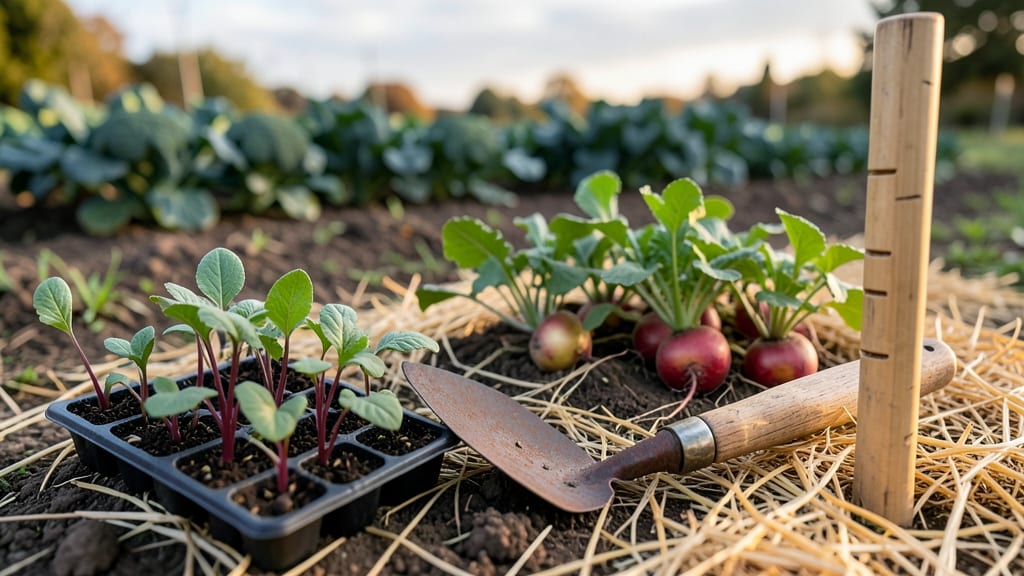
Planting fall beets in Zone 6 at the wrong time can turn your garden dreams into a bitter harvest—too early, and they bolt; too late, and frost steals your sweet 🍠 rewards.
The key to success lies in understanding your local frost dates and soil conditions, because even a week off can make the difference between crisp, tender roots and tough, woody failures.
I’ve learned the hard way that timing isn’t just about dates—it’s about soil temperature, too. Beets thrive when the ground stays above 50°F, but that window shrinks fast as fall approaches.
For Zone 6 gardeners, that means aiming for late summer to early fall, ideally 4-6 weeks before your first frost, which typically hits around mid-October. Get this right, and you’ll enjoy a harvest that lasts well into winter.
But here’s the thing: not all Zone 6 gardens are created equal. Urban heat islands, high-altitude areas, and even your backyard’s microclimates can shift those perfect planting windows.
That’s why I’ll walk you through how to adjust your schedule based on your specific conditions—so you can avoid common mistakes and maximize your beet yield.
Ready to grow beets that are sweet, crisp, and ready when you are? Let’s break down the exact weeks to plant, soil prep tips, and post-planting care to ensure your fall harvest is everything you’ve dreamed of—and none of the guesswork.

Optimal planting windows for fall beets in Zone 6
In Zone 6, fall beets thrive when planted at the perfect moment—too early, and they’ll bolt before frost; too late, and your harvest shrinks. The ideal window is 4-6 weeks before your first frost, but soil temperature and planting method matter just as much.
For most of Zone 6, this means late July to early August for direct sowing or late August for transplants, ensuring roots mature before winter sets in.
Zone 6’s variable climate means your exact timing depends on location. In the northern half (6a), aim for early August sowing to avoid early frosts, while southern areas (6b) can push to mid-August.
Always check your average first frost date—most Zone 6 gardeners face frost between October 15-30, so work backward from that date.
Here’s the key: soil temperature must stay above 45°F (7°C) for seeds to germinate. If your soil cools faster (common in high-altitude areas), plant earlier. Use a soil thermometer to confirm—seeds won’t sprout below 50°F (10°C), even if air temps are warmer.
Direct sowing gives you the widest window: sow seeds 4-6 weeks before frost, with a second planting 3 weeks later for a staggered harvest. For transplants, start seeds indoors 4-6 weeks before transplanting (so 8-10 weeks before frost) to ensure they’re sturdy enough for fall soil.
For direct sowing, my go-to method, I start seeds in late July for a harvest before hard frost. Use cold-hardy varieties like ‘Detroit Dark Red’ or ‘Golden’—they tolerate light frosts (20°F/-7°C) better than tender types.
Space seeds 1–2 inches apart and thin to 3–4 inches when seedlings hit 2–3 inches tall.
If you prefer transplants, start seeds indoors 6–8 weeks before your last frost (usually early June for Zone 6). Transplant seedlings when they’re 4–6 inches tall and soil is at least 50°F (10°C)2-inch mulch layer to insulate roots as temps drop.
Pro tip: Use black plastic mulch or straw mulch to warm soil in early plantings or protect late-season crops. This extends your window by 1–2 weeks in both directions. Just remove mulch before harvest to avoid soil residue on roots.
Watch for early bolting if days get too long—beets need 12–14 hours of daylight to mature properly. In Zone 6, this usually isn’t an issue after mid-August, but if your summer was unusually warm, opt for shorter-day varieties like ‘Chioggia’ or ‘Cylindra’. These stay sweet even as daylight shortens.
Finally, harvest before hard frost—roots left in frozen soil turn woody and lose sweetness. For baby beets, pull when roots are 1–2 inches wide; for mature beets, aim for 2–3 inches. If frost hits early, use row covers to protect tender greens while roots finish swelling.
How to adjust planting for Zone 6’s microclimates
Zone 6’s microclimates can shift your fall beet planting by weeks—whether you're tucked between city buildings or gardening on a high-altitude slope. I’ve learned to adjust timing based on shade patterns, wind exposure, and even soil warmth from nearby structures.
These tweaks help extend your growing season by 2-3 weeks without risking frost damage.
Urban gardens often face reflected heat from buildings or cool shadows from trees. I’ve seen beets thrive 10 days earlier in south-facing urban plots compared to shaded alleyways. Meanwhile, high-altitude gardens (even within Zone 6) can have earlier frosts—sometimes 2 weeks sooner than valley gardens.
Always check your local frost dates and adjust planting by 1-2 weeks if your microclimate runs cooler.
- 🌿 Urban Heat Islands: Plant 2-3 weeks earlier in sun-baked city plots (soil warms faster). Use black plastic mulch to boost soil temps by 5-10°F.
- 🏔️ High-Altitude Gardens: Shift planting 1-2 weeks later—frost arrives sooner. Choose fast-maturing varieties (e.g., 'Detroit Dark Red') for 50-day harvests.
- 🌳 Shaded Microclimates: Extend season with row covers or plant 3 weeks later in deep shade. Prioritize leaf beet varieties (like 'Fordhook') for partial sun.
- 💨 Wind-Exposed Areas: Use windbreaks (e.g., corn stalks) to protect seedlings. Delay planting by 1 week if winds exceed 10 mph—transplant shock risks rise.
- 🏡 Protected Spots: Fences or walls can add 3-5°F warmth. Plant 1 week earlier here, but monitor for pests (e.g., beetles thrive in sheltered heat).
For soil warming, I swear by clear plastic mulch in early fall—it raises soil temps by 10°F and lets me plant beets 2 weeks earlier than bare soil. In urban containers, use dark-colored pots to absorb heat, but water more frequently since they dry out faster.
Pro tip: Place containers on brick or gravel to insulate roots from nighttime chill.
If your garden has patchy shade, focus on succession planting. I plant the first batch in full sun and a second batch 2 weeks later in partial shade, staggering harvests.
For windy sites, mound soil around seedlings to create a natural windbreak—this trick adds 5-7 days of resilience before frost hits.
Always test your microclimate’s frost risk with a frost clock (a simple thermometer in your garden). If your area gets light frosts (28-32°F) but recovers, beets can tolerate brief chills—just cover them with row fabric. For hard frosts (below 28°F), harvest before sunset on the last warm day.
Remember: Zone 6’s microclimates aren’t just about frost—they’re about soil, sun, and shelter. By tweaking your approach, you’ll turn challenges into longer harvests and sweeter beets all season long. 🌱