
Companion Plants
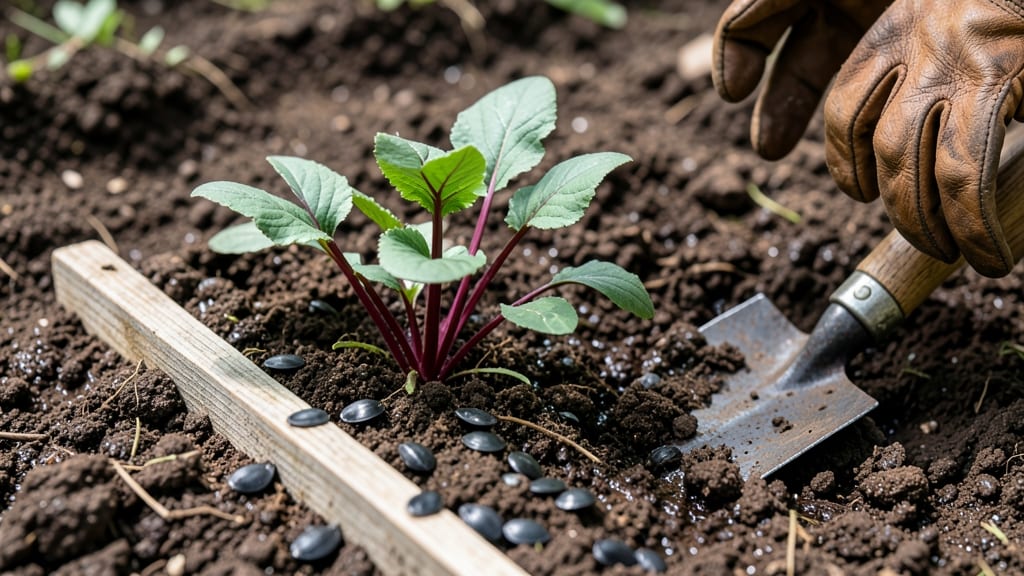
If you've ever planted beets in Zone 7 only to watch them bolt into bitter, leafy stalks instead of sweet roots, you're not alone—and timing is the real culprit.
The perfect planting window for beets in Zone 7 isn't just about the calendar; it's about avoiding those 50-degree swings that trigger bolting before you even get a harvest.
Here's the secret: in Zone 7, your best shot at tender, zero-bolt beets comes in two distinct windows—early spring (March to mid-April) and late summer (August to early September). Plant too early, and you risk frost; plant too late, and the heat sends them shooting up like weeds.
I'll show you exactly when to put those seeds in the ground for foolproof results.
Whether you're starting seeds indoors or sowing directly, understanding soil temperatures and frost dates is the key to success. Let’s break down the exact timing, plus pro tips for succession planting so you can enjoy fresh beets from June through November without a single bitter bite.
Ready to grow beets that actually taste like beets? Let’s dive into the ideal planting schedule for Zone 7’s unpredictable climate—and keep those roots sweet and ready for harvest.

Zone 7 beet planting calendar: exact weeks for zero-bolt harvests
Growing beets in Zone 7 requires precision to avoid bolting, where your plants flower prematurely and turn woody. The key is planting during cool soil temperatures (below 75°F) and spacing out sowings for continuous harvests. My exact planting schedule below ensures tender, sweet beets all season.
Beets thrive in spring and fall when temperatures are mild. In Zone 7, we have three primary planting windows: early spring, late summer, and fall. Each window requires different timing to align with soil temperature thresholds and frost dates (last frost: March 15, first frost: November 15).
⚠️ Critical Tip: Always check your soil temperature before planting—beets bolt when soil exceeds 75°F. Use a soil thermometer to confirm readiness.
| Planting Window | Exact Weeks After Last Frost | Soil Temp (°F) | Harvest Window | Notes |
|---|---|---|---|---|
| Early Spring | Weeks 1-3 (March 15-April 5) | 50-65°F | June-July | Direct sow after last frost; use row covers if nights are chilly. |
| Mid-Spring Succession | Weeks 5-7 (April 15-May 5) | 55-68°F | July-August | Sow every 2 weeks for continuous harvests; avoid hot spells. |
| Late Summer | Weeks 1-3 (August 15-September 5) | 60-70°F | October-November | Use shade cloth if temps exceed 80°F; plant in partial shade. |
| Fall Extension | Weeks 1-2 (September 15-October 5) | 55-65°F | November-December | Protect with mulch and row covers before first frost. |
For spring planting, start with your first sowing 1-3 weeks after your last frost date (typically March 15 in Zone 7). Beets grow best when soil temperatures stay between 50-65°F. If your spring warms quickly, opt for bolting-resistant varieties like 'Detroit Dark Red' or 'Golden'.
My mid-spring succession plantings (weeks 5-7) ensure a steady supply. Sow seeds every 2 weeks until May 5, then pause until late summer. This prevents a glut of beets all at once and extends your harvest into August.
In late summer, aim for August 15-September 5 to harvest before the first frost. Use shade cloth (30-50%) if daytime temps exceed 80°F. Varieties like 'Chioggia' or 'Babybeat' handle heat better than others.
Don’t overlook fall planting! Sow a final batch September 15-October 5 for a winter harvest. Mulch heavily with straw and use row covers to protect from early frosts. Beets sweeten as they cool, making fall harvests especially delicious.
✂️ Pro Tip: Thin seedlings to 2-3 inches apart once they’re 2 inches tall. This reduces competition and prevents bolting from overcrowding.
By following this Zone 7 beet calendar, you’ll enjoy harvests from June through November—no bolting, no waste! Start with one window, then expand as you gain confidence. Happy planting! 🌱
How to adjust planting for extreme Zone 7 weather patterns
Zone 7’s unpredictable weather—from sudden heatwaves to early frosts—can turn your beet harvest from plentiful to bolting disaster. The key is adapting your planting strategy to protect young plants while maximizing their growth potential.
I’ve learned that succession planting and shade cloth are my secret weapons for beating Zone 7’s extremes.
When temperatures spike above 85°F, beet seeds struggle to germinate, and established plants bolt faster than you can say “harvest failure.” Meanwhile, early spring frosts can nip tender seedlings before they even sprout.
Balancing these risks means planning for multiple planting windows and choosing the right varieties that can handle the heat or cold.
⚠️ callout warning ⚠️
For spring planting, I start seeds indoors 4-6 weeks before the last frost (around March 1 in most of Zone 7) to get a head start. Once soil temps reach 50°F, I transplant seedlings outdoors, spacing them 3-4 inches apart to reduce competition. This early jumpstart helps them outpace any late frosts that might linger into April.
Succession planting is my go-to for summer harvests. Instead of one big planting, I sow seeds every 2-3 weeks from April through June. This staggered approach ensures a continuous supply of fresh beets while minimizing the impact of heat stress on any single batch.
I also opt for heat-tolerant varieties like ‘Detroit Dark Red’ or ‘Chioggia’, which handle 90°F days better than standard types.
When summer rolls in, I never underestimate the power of mulch and shade cloth. A thick layer of straw mulch keeps roots cool and retains moisture, while 30% shade cloth draped over young plants can mean the difference between a thriving crop and a bolting mess.
I’ve seen shade cloth extend my summer planting window by nearly a month, giving me an extra harvest before fall.
Fall planting is where Zone 7 shines—cool nights and mild days create perfect conditions for beets. I aim to sow seeds by mid-August, giving them 8-10 weeks to mature before the first frost.
For extra insurance, I choose cold-hardy varieties like ‘Ruby Queen’ and use row covers in late September to protect them from unexpected chills.