
Plants
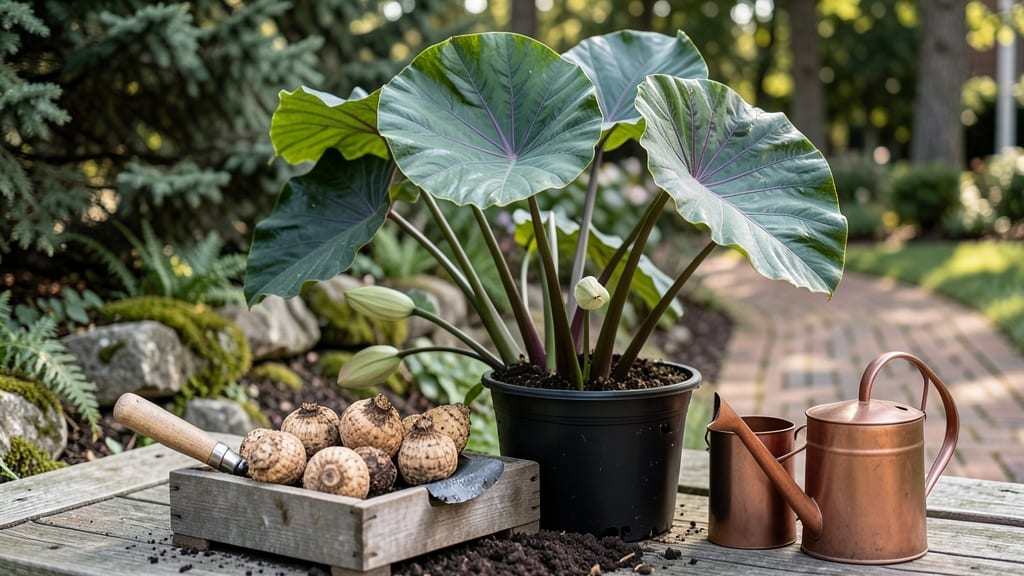
Planting your Elephant Ear 🌿 bulbs at the wrong time in Texas can mean the difference between lush, dramatic foliage and sad, wilted disappointment. The key isn't just waiting for spring—it's understanding your specific heat zone's last frost date and soil warmth cues.
If you're in North Texas, aim for mid-March after the average February 15 frost date, while Gulf Coast gardeners can start as early as late February. The secret? Plant when soil temps hit 60°F—your bulbs will thank you with faster, healthier growth.
But here's where most Texas gardeners go wrong: rushing the process or skipping soil prep. We'll cover exactly how to time your planting for bold blooms, whether you're working with heavy clay or containers, and how to adjust for those brutal summer heat waves.
Ready to transform your garden? Let's dive into the precise timing and Texas-specific tips that'll have your Elephant Ear thriving all season long—no guesswork required.
Texas heat zones: best planting months for elephant ear bulbs
Texas’s diverse heat zones (8a through 11) create unique challenges for planting elephant ear bulbs. In North Texas (Dallas/Fort Worth), where frost lingers until mid-March, timing is critical. Meanwhile, South Texas (Houston/San Antonio) enjoys longer frost-free seasons and can plant as early as February.
Central Texas (Austin) falls in between, with mid-March being the sweet spot. Let’s break down the ideal planting windows for each zone to ensure your elephant ears thrive.
Elephant ear bulbs (Colocasia and Alocasia varieties) are heat-loving tropicals that despise frost. Planting too early in cooler zones (8a-9a) risks bulb rot from cold soil, while waiting too long in hotter zones (10a-11) can lead to stunted growth during peak summer.
The key is planting when soil temps reach 60°F+ and frost risk has passed. Below, I’ll map out the exact months for each Texas region, plus soil prep tips to set your bulbs up for success.
| Texas Heat Zone | Last Frost Date | Ideal Planting Month | Soil Temp Threshold | Tropical vs. Hardy Varieties |
|---|---|---|---|---|
| 8a (North Texas: Dallas/Fort Worth) | Mid-March | Late March - Early April | 60°F+ | Hardy varieties only (e.g., Colocasia 'Black Magic') |
| 9a (Central Texas: Austin) | Early March | Mid-March - Late April | 60°F+ | Mix of hardy and tropical (e.g., Alocasia 'Polly') |
| 10a (South Texas: Houston/San Antonio) | Late February | February - March | 55°F+ | Most tropical varieties thrive (e.g., Alocasia 'Frydek') |
| 10b-11 (Deep South Texas: Corpus Christi) | January | January - February | 50°F+ | All tropical varieties (e.g., Colocasia 'Illustris') |
🌡️ Pro Tip: Use a soil thermometer to confirm temps before planting—cold soil slows root growth.
In North Texas (Zone 8a), where frost can linger until mid-March, hold off until late March or early April. This gives your elephant ear bulbs time to establish roots before summer heat arrives.
Choose hardy varieties like Colocasia 'Black Magic' or 'Elephant Ear' (Colocasia esculenta), which tolerate brief cold snaps better than tropical types. For container gardening in Dallas/Fort Worth, plant bulbs in well-draining pots and move them indoors if temperatures drop below 40°F.
Central Texas gardeners in Zone 9a (Austin) have a wider planting window, from mid-March to late April. This zone’s milder winters allow for both hardy and tropical varieties.
If you’re planting Alocasia species, like 'Polly' or 'Dragon Scale', start in March to avoid late-spring heat stress. In Austin’s heavy clay soil, amend beds with compost and sand to improve drainage—elephant ears hate soggy roots.
For South Texas (Zones 10a-11), where frost is rare and winters are mild, you can plant as early as February. This early start gives tropical varieties like <
Signs your Texas soil is ready for elephant ear planting
Before you dig in to plant your elephant ear bulbs, your Texas soil needs to meet three critical conditions: the right temperature, proper moisture levels, and good drainage.
Skipping these checks can lead to stunted growth or worse—bulb rot in our humid summers. Let’s break down what to look for in your garden beds.
First, check your soil temperature. Elephant ears thrive when the ground reaches at least 60°F. Use a soil thermometer to test—if it’s cooler, wait a few more days.
In North Texas, this usually aligns with mid-March to early April, while South Texas gardeners can start as early as February in warmer zones.
Next, assess moisture levels. Stick your finger 2-3 inches deep into the soil—it should feel damp but not soggy. If it’s bone-dry, water thoroughly a day before planting. Texas clay holds moisture like a sponge, so if your soil feels compacted, it’s time to amend it before planting.
Now, let’s talk drainage. Elephant ears hate soggy roots, and heavy Texas clay can trap excess water. To fix this, mix in 1 part compost and 1 part coarse sand (like builder’s sand) into your planting hole. This creates air pockets and prevents root rot during our steamy summers.
🌱 Elephant Ear Soil Readiness Checklist
- ✅ Soil Temp: 60°F+ (use thermometer)
- ✅ Moisture: Damp but not soggy (2-3" deep)
- ✅ Drainage: Amend clay with compost + sand
- ✅ pH Level: 6.0-7.0 (test with soil kit)
- ✅ Organic Matter: 20-30% (add compost)
Pro Tip: Mulch with 3-4 inches of straw after planting to retain moisture and regulate soil temp.
Don’t overlook soil pH—elephant ears prefer a slightly acidic to neutral range of 6.0-7.0. Grab a soil test kit from your local garden center and adjust with lime (to raise pH) or sulfur (to lower it) if needed.
This step is especially important in alkaline Texas soils, which can lock out essential nutrients.
Finally, give your planting site a final inspection. Clear away weeds, loosen the soil with a garden fork, and mix in a handful of balanced fertilizer (10-10-10) to give your elephant ears a nutrient boost.
Avoid fresh manure—it can burn tender roots and attract pests. With these checks complete, your soil is ready for those stunning elephant ear bulbs to thrive!
Once planted, keep an eye on watering patterns—deep soaks every 3-5 days will help them establish strong roots before Texas’s summer heat kicks in. Happy planting! 🌿