
Plants
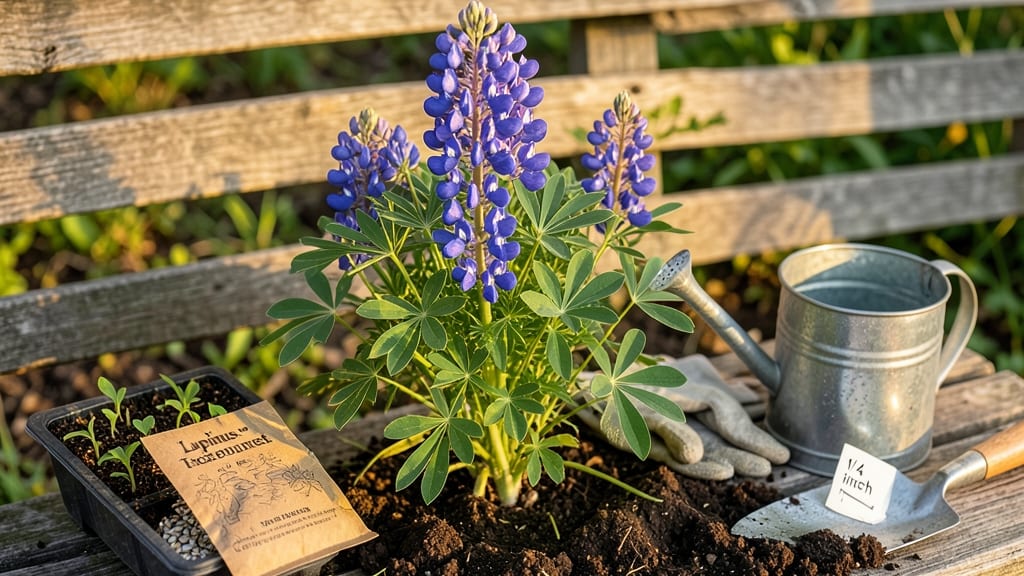
Planting bluebonnet seeds in Central Texas at the wrong time could mean missing out on the breathtaking blue fields that make spring so magical. The key to vibrant blooms lies in understanding the exact window—late September to early November—when soil temperatures and rainfall align perfectly for germination.
I’ve watched fields transform from bare ground to a stunning sea of 🌸 bluebonnets, all because the seeds were planted at the right moment. Central Texas’s unique climate—with its warm fall days and cooler nights—creates ideal conditions, but timing is everything.
Plant too early, and frost might strike; too late, and the seeds won’t establish roots before winter.
What makes this even more exciting is how low-maintenance bluebonnets are once they’re in the ground. No fertilizers, minimal watering, and they thrive in our native soil. The secret isn’t just when you plant—it’s also how you prepare the ground and protect those delicate seeds from Texas’s unpredictable weather.
Ready to turn your yard or roadside into a postcard-worthy blue paradise? Let’s break down the step-by-step schedule that guarantees those iconic blooms year after year, tailored just for Central Texas.
Optimal bluebonnet seed planting months in Central Texas (with climate adjustments)
Timing is everything when planting bluebonnet seeds in Central Texas. These iconic Texas wildflowers thrive when sown during fall's cooler months, but the exact window depends on your local microclimate.
Austin, Waco, and San Antonio each have subtle differences in frost dates and rainfall patterns that shift the ideal planting schedule.
Bluebonnets require soil temperatures between 50-60°F for optimal germination. This typically aligns with September through November, but cooler areas like the Texas Hill Country may need an earlier start. Understanding these climate adjustments ensures your seeds establish before winter dormancy begins.
Here's how Central Texas cities compare for bluebonnet planting windows, including frost risk and rainfall considerations:
| Location | Ideal Planting Window | Soil Temp Threshold | Frost Risk | Rainfall Pattern |
|---|---|---|---|---|
| Austin | Late Sept - Early Nov | 50-60°F | First frost: Jan 15 | Moderate Oct rains |
| Waco | Mid-Sept - Mid-Oct | 50-60°F | First frost: Dec 20 | Drier conditions |
| San Antonio | Early Oct - Late Nov | 50-60°F | First frost: Dec 1 | Higher humidity |
| Texas Hill Country | Late Aug - Early Oct | 45-55°F | First frost: Nov 15 | Variable rainfall |
The Texas Hill Country often experiences earlier frosts, requiring seeds to be planted 4-6 weeks earlier than Austin or San Antonio. Meanwhile, San Antonio's warmer microclimate allows for later plantings through November. Always check your local National Weather Service for real-time updates on frost forecasts before planting.
Spring planting is not recommended for bluebonnets, as they require a winter chilling period to break dormancy. Seeds planted in spring will likely remain dormant until fall, missing the prime bloom window of March-May. The 60-day cold stratification period is crucial for successful germination.
Rainfall patterns also play a key role. Austin's October rains help establish seeds, while Waco's drier conditions may require light irrigation after planting. In San Antonio, higher humidity can lead to fungal issues if seeds aren't planted in well-draining soil. Always choose sites with good drainage to prevent seed rot.
For maximum bloom intensity, aim to plant bluebonnets when daytime temperatures reach 75°F but nighttime temperatures drop below 60°F. This typically occurs in late September across most of Central Texas. Use a soil thermometer to verify conditions before sowing your seeds.
Pro tip: Scatter seeds directly on soil without covering - bluebonnets need light to germinate. A light foot traffic or mulch layer helps secure seeds but doesn't smother them. This mimics their natural prairie habitat conditions perfectly.
Remember that bluebonnets are perennial wildflowers that will return each year if given proper care. The seeds you plant today could produce blue carpets for decades to come - making precise timing your best investment for future spring displays.
Step-by-step bluebonnet seed planting guide for Central Texas gardens
Bluebonnets thrive in Central Texas when planted at the right time and in the right conditions. The key is mimicking their natural habitat—well-drained, slightly rocky soil and full sun exposure.
Unlike many flowers, bluebonnets don’t need to be buried; they rely on the cold winter months to break dormancy. This makes the process simple but timing critical for those vibrant spring blooms we all love.
Central Texas gardeners often ask whether to use native bluebonnet seeds or commercial mixes. Native seeds (like Lupinus texensis) adapt better to local conditions, while commercial blends may include other Lupinus varieties. For best results, choose seeds collected from your area or labeled as Central Texas native.
Scattering seeds directly onto prepared soil is the easiest method, and it mimics how bluebonnets naturally spread across Texas prairies.
When to Plant Bluebonnet Seeds in Central Texas
- 1 Wait for soil temperatures to drop below 60°F (usually late September to early November).
- 2 Clear the planting area of weeds and debris, then lightly rake the soil to create a rough surface for seeds to cling to.
- 3 Scatter seeds thinly (about 20-30 seeds per square foot) without covering them. Bluebonnets need light to germinate.
- 4 Gently press seeds into the soil with your hand or a rake to ensure good contact, then water lightly to settle them in.
- 5 Avoid watering again until spring rains arrive (typically March). Overwatering can wash seeds away or cause rot.
After planting, the real work is done—bluebonnets are drought-tolerant and low-maintenance once established. They’ll lie dormant through winter, then burst into bloom with the first warm days of spring. For best results, plant in open, sunny areas with minimal competition from grasses or other plants.
If you’re planting in clay-heavy soil (common in Central Texas), mix in some sand or compost to improve drainage.
One common mistake is planting too early, which can lead to seeds sprouting prematurely and dying in a Central Texas freeze. Conversely, planting too late may result in seeds not getting enough cold exposure to germinate in spring.
Aim for that late September to early November window, and you’ll set your bluebonnets up for success. With minimal effort, you’ll enjoy months of stunning blue blooms that define Central Texas gardens.
Pro tip: If you want a thicker display, plant bluebonnets in groups or drifts rather than single rows. This mimics their natural growth patterns and creates a more dramatic visual impact.
Just remember—patience is key. Bluebonnets may take 2-3 years to reach their full potential, but the wait is worth it for that iconic Texas blue carpet.