
Plants
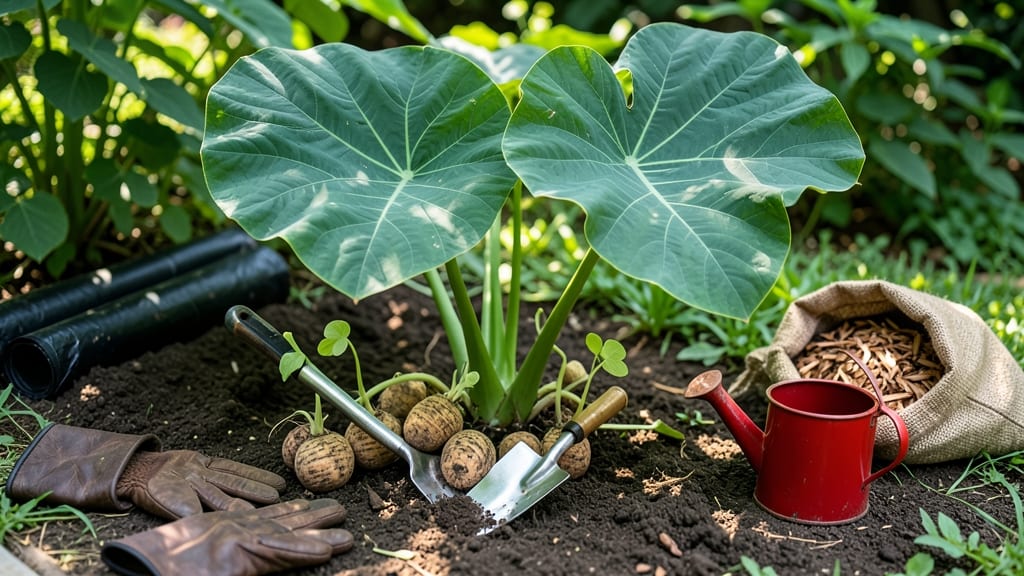
Planting elephant ear bulbs in Georgia at the wrong time means watching your $50 investment turn into sad, droopy leaves instead of those showstopping 5-foot-tall tropical beauties you dreamed of.
The key to lush, summer-long foliage? Timing it perfectly after the last frost—typically March 15—when soil temperatures hit that sweet spot for root growth.
I’ve learned the hard way that Georgia’s 7b-8b zones demand patience—rushing these heat-lovers into cold soil stunts their growth, while waiting too long risks missing the prime planting window.
Whether you’re in Atlanta’s cooler microclimates or Savannah’s balmy lowlands, the 3-4 inch deep planting rule stays the same, but the exact dates shift. Let’s break down the exact deadlines that’ll have your garden thriving by June.
Beyond the calendar, your soil’s readiness is the real game-changer. Elephant ears hate soggy roots, so amending clay-heavy Georgia soil with compost and ensuring proper drainage is non-negotiable.
I’ll walk you through the pre-planting checklist that’ll set your bulbs up for success—because even the hardiest plants need the right start in our humid summers.
Ready to skip the guesswork? You’ll leave here knowing not just when to plant, but how to give your elephant ears the full-sun care and watering schedule they crave to dominate your garden all season. Let’s make those bold leaves a reality.
Georgia heat Zones: when to plant elephant ear bulbs for maximum summer impact
Elephant ear bulbs (Alocasia, Colocasia, and Xanthosoma varieties) crave Georgia’s heat—but timing is everything. Plant too early, and frost will fry your tubers; too late, and summer’s scorching sun will stress them before they establish.
Georgia’s USDA Zones 7-9 create distinct planting windows, each requiring precise soil temperature thresholds for success.
In Zone 7, where last frosts linger until mid-April, I start prepping soil in early March (60°F threshold) and plant bulbs 2-3 weeks after your area’s final frost date.
Zone 8’s later start (frost-free by early March) lets me wait until late March to April, giving soil time to warm to 65°F before planting. Zone 9’s extended growing season means I can even plant as late as May, but I prioritize April for peak summer performance.
The key difference? Zone 8’s warmer winters delay planting by 2-3 weeks compared to Zone 7, while Zone 9’s longer frost-free period offers flexibility—but never skip soil warming. Cold soil slows root growth, leaving plants vulnerable to summer heat stress.
| Zone | Last Frost Date | Ideal Planting Window | Soil Temp Threshold | Key Variety Notes |
|---|---|---|---|---|
| Zone 7 | Mid-April | Late March–Early April | 60°F (15°C) | Colocasia thrives; mulch heavily for winter protection. |
| Zone 8 | Early March | Late March–April | 65°F (18°C) | Alocasia prefers warmer soil; avoid soggy conditions. |
| Zone 9 | None (year-round growing) | April–May | 70°F (21°C) | Xanthosoma handles heat best; plant deeper (4–5 inches). |
For all zones, I test soil temperature with a soil thermometer (bury it 4 inches deep) before planting. In Zone 7, I cover bulbs with black plastic mulch 1–2 weeks before planting to warm the soil faster.
Zone 8 gardeners should wait until after April 15 to avoid late-spring frosts, while Zone 9’s longer season lets me experiment with fall plantings (September–October) for early spring blooms.
Pro tip: Pre-soak bulbs for 24 hours before planting to jumpstart root growth. I also mix organic compost into Georgia’s clay-heavy soil to improve drainage—critical for preventing root rot in our humid summers. For container plantings, use well-draining potting mix with perlite to mimic tropical conditions.
Remember: Elephant ears are tender perennials in Georgia. In Zones 7–8, I dig up tubers before first frost (November) and store them in dry peat moss until replanting. Zone 9’s mild winters often let tubers overwinter in protected microclimates, but I still monitor for unexpected cold snaps.
If you’re in North Georgia (Zone 7), prioritize early-maturing varieties like ‘Illustris’ Colocasia to beat summer’s heat. South Georgia (Zone 9) gardeners can push the envelope with ‘Maui Magic’ Alocasia, which handles 90°F+ temps better than most.
Always match your bulb size to your zone—larger tubers establish faster in shorter growing seasons.
Watch for yellowing leaves after planting—this often signals overwatering or poor drainage. In Georgia’s heat, I water deeply 2–3 times per week (morning only) and avoid wetting foliage to prevent fungal diseases.
A 2-inch layer of mulch keeps roots cool and retains moisture, which is especially critical during Georgia’s drought-prone summers.
For maximum summer impact, time your plantings to coincide with peak humidity (June–July in Georgia). This ensures your elephant ears burst into bold foliage just as your garden hits its most vibrant phase.
With the right timing, these tropical stunners will dominate your landscape from late spring through fall, proving that Georgia’s heat isn’t just survivable—it’s an opportunity for show-stopping growth.
Pre-planting checklist: soil, sunlight, and watering secrets for Georgia’s climate
Before you dig, Georgia’s humid climate and clay-heavy soils demand special prep for elephant ear bulbs. These tropical plants need well-draining soil with a pH between 6.0-7.5—too acidic or alkaline, and you’ll see stunted growth or yellowing leaves.
Test your soil first using a simple home kit or send a sample to the University of Georgia Extension for precise results.
Georgia’s partial shade requirements differ from full-sun plants. While they tolerate 3-6 hours of morning sun, afternoon shade is critical in Zones 7-8 to prevent scorched foliage. North-facing beds or east-west oriented containers work best for consistent moisture without overheating.
🌱Pro Tip: Amend heavy clay soils with 20% compost or sand to improve drainage. Elephant ears hate soggy roots—root rot is the #1 killer in Georgia’s wet summers.
Container vs. In-Ground Planting for Georgia Heat
| Factor | In-Ground | Containers |
|---|---|---|
| Drainage | ✅ Natural (if amended) | ✅ Controlled (use pots with holes) |
| Heat Tolerance | ⚠️ Risk of overheating in full sun | ✅ Move to shade during peak heat |
| Watering Needs | 💧 Deep weekly soaks | 💧 Daily checks (dries faster) |
| Winter Care | ✅ Mulch heavily for Zone 7 | ❄️ Bring indoors or protect |
*Containers dry out faster in Georgia’s heat—use self-watering pots or mulch with pine bark to retain moisture.
Watering elephant ears in Georgia isn’t just about frequency—it’s about timing. Always water in the early morning to let foliage dry before humid afternoons, which reduces fungal diseases like leaf spot.
During summer downpours, reduce watering to every 3-4 days unless your soil is sandy (then daily checks are key).
For container gardens, switch to drought-resistant mixes with perlite to prevent compacting. In-ground plantings benefit from 2-3 inches of mulch (straw or wood chips) to regulate soil temperature and lock in moisture. Avoid synthetic mulches—they trap too much heat for these tropical plants.
🌿Final Check: After prepping, dig a 6-inch hole, place the bulb 3-4 inches deep (pointy end up), and space plants 3-4 feet apart. Georgia’s heat will reward precise prep with bold foliage from June through October!