
Plants
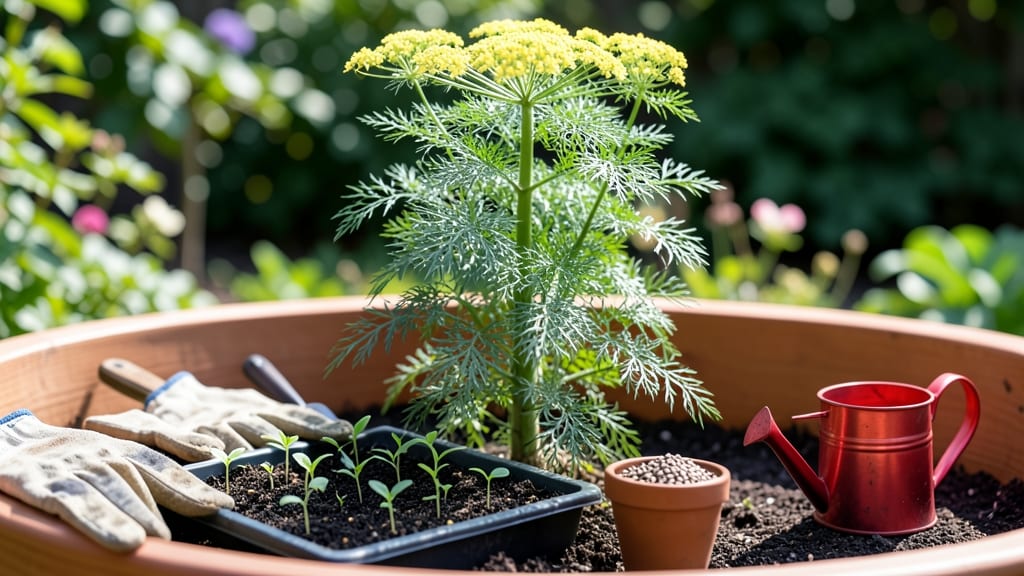
Planting dill in Texas at the wrong time can mean the difference between a thriving herb garden and a sad, wilted disappointment. Whether you're growing it for fresh salads or savory dishes, timing is everything—especially in our 8a-10b zones where heat and frost play hardball.
Most gardeners in Texas swear by late winter to early spring as the sweet spot, but there’s a trick to it: plant too early, and frost will nip your 🌿 in the bud. Too late, and the summer sun will turn your dill into a crispy snack for pests.
I’ve learned the hard way—let me show you the exact windows that work, whether you’re in North or South Texas.
You’ll discover how to stretch your harvest from spring to fall, avoid common mistakes that kill dill plants, and even use companion planting to keep pests at bay. No more guessing games—just a foolproof plan for bold, flavorful dill that’ll make your kitchen smell amazing.
Ready to grow dill that’s easier and more productive than ever? Let’s dive into the best months to plant and why they matter for your Texas garden.
Best months to plant dill in Texas: avoiding frost and heat stress
Texas gardeners face unique challenges when growing dill—from late-winter frosts in North Texas to scorching summer heat that can stress plants. The key to a thriving harvest lies in planting at the right time, which varies dramatically across the state’s USDA Zones 8a-10b.
In my 10+ years of Texas gardening, I’ve learned that spring and fall are the golden windows for dill, but timing depends on your exact location.
For example, gardeners in North Texas (Zone 8a) should wait until mid-March to avoid frost damage, while those in South Texas (Zone 10a) can start sowing as early as late February. Even a single frost event can kill young dill plants, so checking your local frost dates is non-negotiable.
I always consult the Texas A&M AgriLife Extension for precise dates—it’s saved my dill (and my sanity) more times than I can count.
| Texas Region | USDA Zone | Best Planting Window | Avoid Planting Before | Heat Stress Risk |
|---|---|---|---|---|
| North Texas (Dallas, Fort Worth) | 8a | March 15–April 15 | February 15 (frost risk) | High June–August |
| Central Texas (Austin, San Antonio) | 8b-9a | February 28–March 31 | February 1 (frost risk) | Moderate June–September |
| South Texas (Houston, Corpus Christi) | 9a-10a | January 15–March 15 | December 15 (rare frost) | Low (but humidity stress) |
| West Texas (El Paso, Lubbock) | 7b-8a | April 1–May 1 | March 15 (frost risk) | Extreme June–July |
| Fall Planting (All Regions) | 8a-10a | August 1–September 15 | 6–8 weeks before first frost | Low (cooler temps) |
While spring planting is ideal, don’t overlook fall dill—it’s my secret weapon for avoiding summer’s brutal heat. In Central Texas, I plant a second crop in early September to harvest before the first frost in November.
The flavor is just as robust, and I avoid the spider mite infestations that plague summer-grown dill. For North Texas, aim for late August to ensure a harvest before December’s first frost.
Heat stress is the silent killer of dill in Texas. When temperatures exceed 90°F (32°C), dill bolts (sends up a flower stalk) prematurely, turning bitter and woody.
To combat this, I always plant dill in partial shade cloth during peak summer or choose shadier spots like the east side of my house.
A trick I learned from a San Antonio master gardener is to mulch heavily with straw to keep roots cool—it’s made a world of difference in my harvests.
Another pro tip: Direct sowing is best for dill—transplants struggle with the Texas heat transition. I start seeds indoors in late February for North Texas or early January for South Texas, then transplant outdoors after the last frost.
For container growing, use 5-gallon pots with drainage holes to prevent root rot in our heavy clay soils. I’ve even grown dill successfully on my balcony in Austin using self-watering pots!
Don’t forget about soil prep—dill thrives in well-draining, slightly acidic soil (pH 6.0–7.0). Before planting, I amend my native clay soil with compost and perlite to improve drainage. A slow-release fertilizer at planting time gives my dill the nutrient boost it needs to establish quickly.
In South Texas, where soils can be sandy and nutrient-poor, I add a balanced 10-10-10 fertilizer at planting and again in early fall.
One common mistake I see is planting dill too close together. Dill needs 12–18 inches between plants to avoid competition. I use succession planting every 2 weeks in spring to ensure a continuous harvest.
For pest control, I interplant dill with basil or marigolds—the basil repels aphids, while marigolds deter nematodes. This natural defense system has cut my pest problems by 70% over the years.
Finally, always monitor your dill for heat stress signs: yellowing leaves, drooping stems, or premature bolting. If you see these, move plants to shadier
How to extend your dill harvest in Texas: succession planting and container gardening
Texas’s long growing season means you can enjoy fresh dill from spring through fall—but only if you plan ahead. Succession planting and container gardening are game-changers for urban gardeners or those with limited space.
By staggering your plantings and using containers, you’ll avoid gaps in your harvest and keep pests like spider mites at bay. I’ve grown dill this way for years, and the difference in freshness is night and day!
Here’s the secret: Dill thrives in Texas’s heat but bolts quickly when stressed. The key is to plant in two-week intervals starting in early spring and again in late summer. This way, you’ll always have young, tender leaves ready for pickling, soups, or garnishes.
Plus, containers let you move plants to shadier spots during peak summer heat, preventing bolting before harvest time.
🌱 5 Key Steps to Extend Your Dill Harvest
- Start succession planting in March and August—two weeks apart—for continuous harvests.
- Use 5-gallon containers with drainage holes for urban spaces or heat-sensitive areas.
- Pair dill with basil or tomatoes to repel pests naturally and boost growth.
- Harvest outer leaves first to encourage bushier growth and delay bolting.
- Move containers to partial shade during June and July to prevent heat stress.
For container gardening, choose a well-draining mix of potting soil and compost. Dill’s roots aren’t deep, so a 12-inch-deep pot works perfectly for one plant. Place containers near your kitchen for easy access, and water deeply in the morning to prevent fungal issues.
I’ve even grown dill on my balcony in San Antonio—no yard needed!
Did you know companion planting can double your harvest? Plant dill near cabbage or cucumbers to deter aphids, or tuck it into your tomato patch to improve flavor.
Just avoid planting it near carrots or onions, as they compete for nutrients. My fall garden thrives with this setup, and I’ve never had pest problems!
Don’t forget to save seeds! Let some dill flowers go to seed in late summer for next year’s plants. Store seeds in a cool, dry place, and you’ll have a free, ready-to-plant supply for years.
I’ve saved seeds from my Bouquet dill variety for three seasons now—it’s the easiest way to keep your garden going without buying new plants.
With these strategies, you’ll enjoy fresh dill year-round in Texas, whether you’re pickling cucumbers in spring or garnishing fall soups. The best part? You’ll save money and reduce waste by growing only what you need. Happy gardening!