
Plants
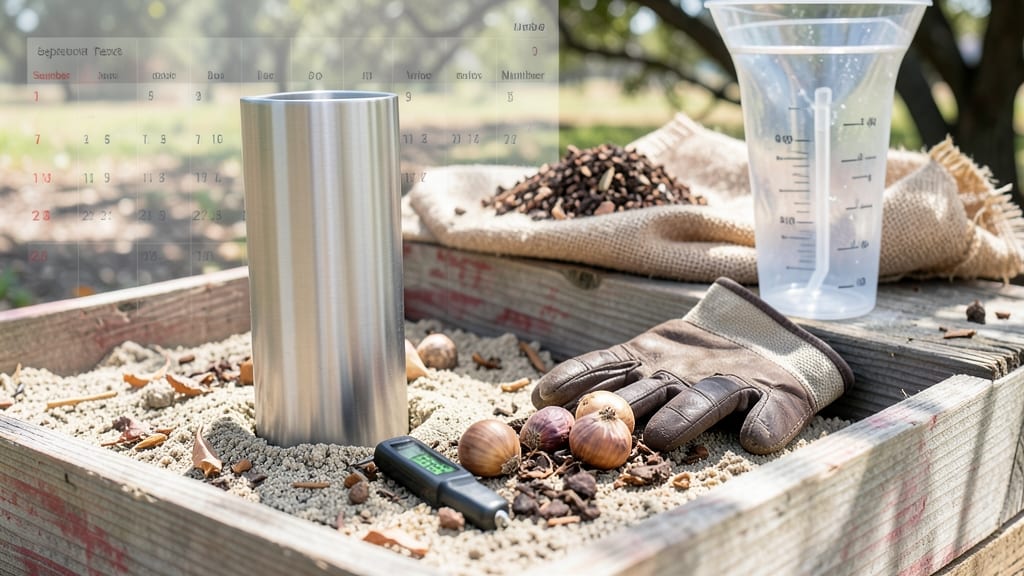
Planting your Spring Flowering Bulbs 🌷 at the wrong time in Central Texas could mean watching them wilt before they even bloom—or worse, never seeing those vibrant colors at all.
The key to success isn’t just picking the right bulbs; it’s understanding when to tuck them into the soil so they thrive through our long, hot summers and cold winters.
Most gardeners in zones 8a-9a know the struggle: Too early, and those bulbs will bake underground; too late, and they might not root before frost. I’ve learned the hard way that timing isn’t just about months—it’s about soil temperatures, frost dates, and even the phase of the moon (yes, really!).
Let me break down exactly when to plant for maximum blooms next spring.
If you’ve ever planted bulbs in September only to see them struggle by March, you’re not alone. The solution? A 6-8 week window before the first frost—typically between late September and November—for those classic tulips, daffodils, and crocuses.
But there’s more to it than just dates. I’ll share the tricks I’ve picked up over the years to keep your bulbs happy until spring.
Ready to transform your garden into a springtime paradise? Stick with me, and I’ll show you how to time your planting like a pro—no guesswork, no wasted bulbs, just beautiful, reliable blooms when you need them most.
Best planting months for spring-flowering bulbs in Central Texas
Central Texas gardeners face a unique challenge with spring-flowering bulbs like tulips and daffodils. Unlike cooler climates, our USDA Zone 8a-9a means bulbs must establish roots before summer’s brutal heat.
The ideal window is September through November, when soil stays warm enough for root growth but cools before winter dormancy.
Planting too early (August) risks bulbs sprouting before they’re ready, while waiting until December leaves them vulnerable to freeze damage. The 6-8 week rule applies here: Aim to plant bulbs 6-8 weeks before your first frost (typically around December 1 in Central Texas).
This gives roots time to anchor before winter chill sets in.
For the most reliable blooms, focus on September and October. These months offer perfect soil temperatures (around 60-65°F) for root development. Early September plantings (like tulips) may need extra mulch to protect against late-season heat, while late November plantings risk stunted growth if winter arrives too soon.
Native Texas bulbs like rain lilies and bluebonnet relatives handle our climate better than traditional imports. For classic varieties, choose heat-tolerant cultivars like ‘Darwin Hybrid’ tulips or ‘Ice Follies’ daffodils, bred to withstand our summer conditions.
Always plant them deeper than in cooler climates (6-8 inches) to protect from heat stress.
Soil preparation is critical in Central Texas. Amend heavy clay with compost or sand to improve drainage, and avoid fresh manure, which can burn bulb roots. A balanced fertilizer (5-10-10) applied at planting time provides essential nutrients without overfeeding. Mulch with 2-3 inches of straw after planting to retain moisture and regulate soil temperature.
Here’s your Central Texas bulb-planting timeline:
After planting, water deeply to settle soil around bulbs, then reduce watering to once weekly until winter rains take over. Overwatering in fall can cause rot, while underwatering stresses roots.
In December, apply a 2-inch layer of mulch to insulate bulbs from temperature swings—a common issue in Central Texas winters.
Spring blooms will reward your timing! Most bulbs emerge when soil temperatures hit 50°F, typically in March or April. To extend their life, let foliage die back naturally after flowering—this recharges the bulb for next year.
In late spring, apply a light fertilizer (like 5-10-10) to encourage robust growth before summer dormancy.
For container gardening, use well-draining pots and plant bulbs shallower than in-ground (4-6 inches deep). Choose smaller varieties like ‘Tiny’ tulips or ‘Minor’ daffodils, and move containers to partial shade during peak summer heat. Potted bulbs need more frequent watering (every 5-7 days) due to faster drying.
Pro tip: Mark your bulb beds with stakes or flags—Central Texas’ erratic winters can make it hard to remember where they’re planted! And if you miss the fall window, don’t despair: Some hardy varieties (like daffodils) can tolerate December planting, though blooms may be delayed or smaller.
How to time summer-blooming bulbs like dahlias and cannas for Texas heat
Central Texas summers are brutal—100°F+ temperatures can turn even hardy bulbs into crispy snacks. But with the right timing, dahlias and cannas thrive in our heat, blooming from early summer until frost.
The key? Planting them after the last frost date (typically mid-April) but before the hottest months (June–August). This gives roots time to establish before the real heat hits.
I’ve learned the hard way that planting too early means wilting foliage and stunted blooms, while waiting too long risks missed flowering seasons. For dahlias, aim for April 15–May 1, and for cannas, stretch it to May 1–15.
Cannas handle heat better, so they get a slightly later start. Both need well-draining soil and morning sun to avoid heat stress.
⚠️ callout warning ⚠️
Planting dahlias or cannas before April 15 risks heat shock—roots can’t establish fast enough. Wait until soil temps hit 60°F+ (check with a soil thermometer) and nighttime temps stay above 55°F. May plantings (like cannas) must be mulched heavily to retain moisture.
🌡️ Pro Tip: Use black plastic mulch to warm soil faster—critical for late-May plantings!
Start by prepping your soil: Dahlias love loamy, fertile soil with compost mixed in, while cannas tolerate sandy or clay-heavy soil as long as it drains well. Amend with aged manure or bone meal (for dahlias) to boost phosphorus—this fuels those showstopping blooms.
For both, dig holes twice as wide as the bulb’s diameter to encourage root spread.
Watering is where most gardeners fail. Deep, infrequent watering is non-negotiable—1–1.5 inches per week, directly at the base. I use drip irrigation set on a timer to avoid wetting foliage (which causes fungal issues).
For newly planted bulbs, water every 2–3 days until they’re established, then taper to 2x weekly. Mulch with straw or pine needles to lock in moisture and keep roots cool.
Don’t forget to stake or cage dahlias—their top-heavy blooms can snap in summer storms. Cannas, with their reed-like stems, rarely need support but benefit from light pruning to remove spent blooms.
This redirects energy to bigger, longer-lasting flowers. By late summer, reduce watering slightly to harden off bulbs for winter, but keep soil slightly moist to prevent dormancy stress.
With this timing, my dahlias bloom from June to October, and cannas keep going until November. The secret? Patience and prep—don’t rush planting, and give them the deep water and shade they crave during peak heat.
Your garden will thank you with months of vibrant color when others are wilting. 🌿