
Plants
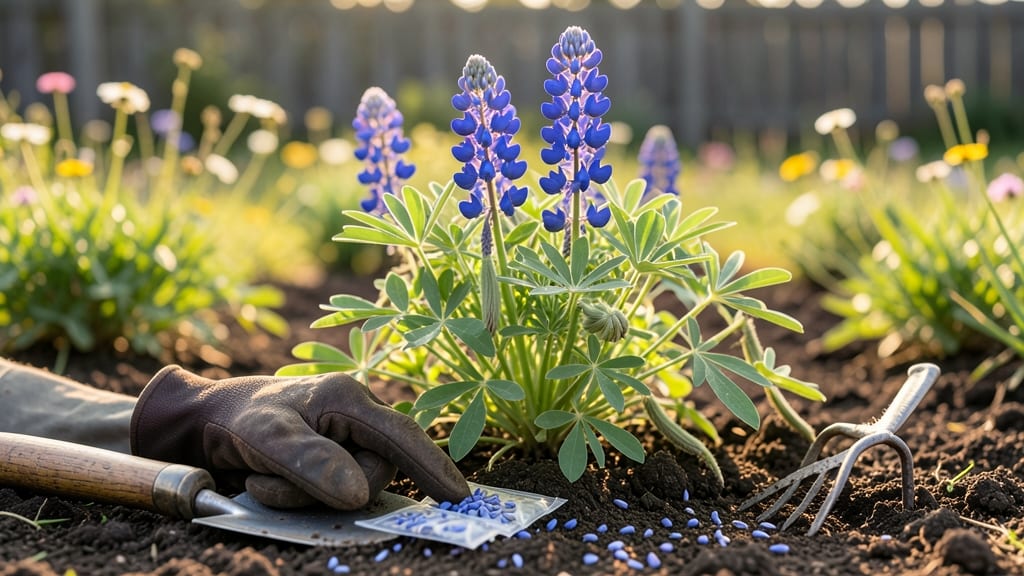
If you’ve ever driven through North Texas in spring and marveled at fields of bluebonnets 🌸, you know timing is everything—plant too early, and frost steals the show; too late, and you’ll miss the magic.
The secret to those iconic blue blooms starts in fall, when the ground cools but before winter’s first freeze.
Most gardeners in zones 7b-8a swear by planting between late September and early November, but the exact window depends on your county’s frost dates. Whether you’re in Dallas, the Hill Country, or the Panhandle, getting it right means vibrant blooms by March—and avoiding the heartbreak of a wasted season.
I’ve tested the best methods for North Texas soil and climate, from seed depth tricks to microclimate hacks for urban vs. rural areas. You’ll learn how to time it perfectly, whether you’re scattering seeds or transplanting, so your garden becomes the envy of the neighborhood.
Ready to turn your yard into a bluebonnet paradise? Let’s dive into the county-specific planting schedule that guarantees success—no guesswork, just stunning spring color.
North Texas frost-free dates by county: best planting windows for bluebonnets
Timing your bluebonnet planting is critical in North Texas, where heat zones 7a-8b create microclimates that shift planting windows by weeks. Urban areas like Dallas and Fort Worth often experience earlier last frost dates than rural Hill Country regions, meaning your neighbor’s perfect timing might not work for you.
Bluebonnets thrive when planted 6-8 weeks before your county’s average first frost. This gives seeds time to germinate and establish roots before winter dormancy. In North Texas, that means late September to early November for most areas—but your exact window depends on your USDA zone and local microclimates.
Urban gardens in Dallas-Fort Worth (zones 8a-8b) can plant as late as mid-November, while Hill Country counties like Travis or Williamson (zone 8a) should aim for early October to avoid early freezes. Rural areas often have 2-3 weeks earlier frost dates than cities due to heat island effects.
| County | USDA Zone | Avg Last Frost | Ideal Planting Window | Microclimate Note |
|---|---|---|---|---|
| Dallas | 8a | Nov 15 | Oct 15 - Nov 10 | Urban heat delays frost |
| Tarrant | 8a | Nov 10 | Oct 1 - Nov 5 | Industrial areas may freeze earlier |
| Collin | 8a | Nov 20 | Oct 20 - Nov 15 | Suburban areas stay warmer |
| Denton | 7b | Nov 5 | Sep 20 - Oct 10 | Rural areas freeze earlier |
| Travis (Austin) | 8a | Nov 1 | Sep 15 - Oct 15 | Hill Country microclimates vary widely |
| Williamson | 8a | Oct 31 | Sep 1 - Oct 10 | Elevated areas freeze sooner |
| Bell | 8a | Nov 10 | Sep 25 - Oct 15 | Blackland Prairie soil warms faster |
| Johnson | 7b | Oct 25 | Sep 10 - Oct 5 | North Texas Panhandle transition |
| Ellis | 7b | Oct 30 | Sep 15 - Oct 10 | Rolling terrain affects frost |
| Hunt | 7b | Nov 1 | Sep 20 - Oct 5 | Forest edges stay cooler |
| Rockwall | 8a | Nov 18 | Oct 10 - Nov 5 | Lake effects delay frost |
For gardeners in zone 7b counties like Denton or Johnson, plant bluebonnet seeds by mid-October at the latest. These areas experience earlier frosts and shorter growing seasons. In contrast, Dallas and Collin County gardeners can push planting to mid-November thanks to urban heat retention.
Adjust your planting window by 1-2 weeks earlier
How to time bluebonnet planting for maximum blooms: seed vs. transplant methods
Bluebonnets thrive in North Texas when planted at the right time, but choosing between direct seeding in fall or transplanting in spring can make or break your blooms. The key lies in soil temperatures, moisture balance, and avoiding early frosts that can kill tender seedlings.
Let’s break down the best approach for your USDA Zones 7b–8a region.
For direct seeding, aim for late September through early November when soil temps hover between 60–70°F. This gives seeds time to germinate before winter dormancy. If you prefer transplants, wait until late February to early March when soil warms to 55–60°F—just before spring rains kick in.
🌱 Critical Planting Timeline for North Texas Bluebonnets
- Late September–Early November: Direct seed after first frost (soil 60–70°F). Scatter seeds lightly—no need to cover! 🌱
- October–December: Pre-sprout seeds indoors (6–8 weeks before last frost) for earlier blooms. Use damp paper towels and 70°F warmth. 🌿
- February–March: Transplant seedlings into prepared beds. Harden off for 1 week first! ✂️
- March–April: Mulch lightly (1 inch) with straw to retain moisture and deter weeds. Avoid heavy mulch—bluebonnets hate suffocation! 🪴
- Spring (March–May): Enjoy blooms! Deadhead spent flowers to encourage reblooming. 💙
North Texas winters are unpredictable, so mulching is your secret weapon. Use straw or pine needles (never thick layers) to insulate roots without smothering seedlings. If a late frost hits, cover young plants with frost cloth at night—bluebonnets can survive light frosts but not prolonged cold snaps.
Moisture management is critical after planting. Water deeply but infrequently—bluebonnets are drought-tolerant once established, but seeds need consistent moisture to germinate. Aim for 1 inch of water per week during germination (first 4–6 weeks). Let soil dry slightly between waterings to prevent fungal diseases like damping off.
Transplanting bluebonnets works best in spring (February–March), but success hinges on pre-sprouting seeds indoors 6–8 weeks before your last frost date. Use a seed-starting mix and keep trays in a sunny window or under grow lights. Harden off seedlings for 1 week before transplanting to avoid shock.
Pro tip: If you’re in Hill Country (Zone 8a), push planting dates 2–3 weeks earlier than urban areas like Dallas (Zone 8a) or Fort Worth (Zone 7b).
Hill Country soils warm faster in spring, giving you a longer window for transplants. Always check your local frost dates—they vary by county!
Timing bluebonnets right means vibrant spring blooms instead of disappointment. Whether you choose fall seeding or spring transplanting, follow these steps, and you’ll have North Texas’ iconic blue carpets in no time. Happy planting! 🌸