
Plants
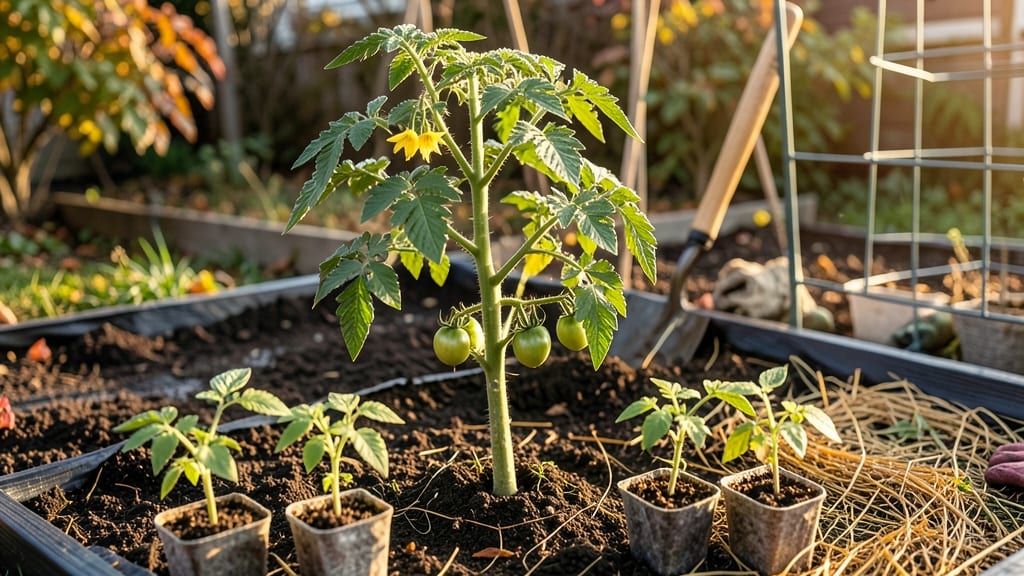
Planting fall tomatoes in South Texas isn't just about timing—it's about beating the heat while catching that sweet spot before winter chills set in. If you miss these August-September windows, you could end up with scorched seedlings or tomatoes that never fully ripen before the first frost.
The key is understanding how your specific heat zone (9a-10a) dictates when to start seeds or transplant those 🍅 plants for maximum yield.
I've learned the hard way that waiting until October is too late—by then, the days grow shorter, and your tomatoes won't have enough time to mature before temperatures drop.
But planting too early in July means battling relentless heat that stresses young plants before they even get a chance to establish roots. The solution? A strategic approach that aligns with South Texas's unique climate patterns.
In this guide, I'll break down the exact planting deadlines for each heat zone, plus the best varieties that thrive in late-summer conditions. You'll discover how to extend your harvest window with simple (but effective) tricks, like shade cloth timing and mulching techniques that work in our 9a-10a region.
Whether you're a coastal gardener or inland, these insights will help you avoid common mistakes that waste time and resources.
Ready to grow tomatoes that actually make it to the table? Let's dive into the science-backed strategies that have helped South Texas gardeners like me turn late-season plantings into bountiful harvests—without the guesswork. Your fall garden starts here.
South Texas heat zone deadlines for fall tomato planting
Timing your fall tomato planting in South Texas is a delicate balance—too early and your plants will wilt under 100°F+ heat, too late and they won’t mature before December frosts.
The USDA heat zones 9a, 9b, and 10a each have specific deadlines to maximize your harvest window. Missing these can mean no frost-free tomatoes at all!
For heat zone 9a (cooler microclimates like Hill Country), your planting window is the narrowest—just 4 weeks between early August and mid-September. In 9b (common in San Antonio), you’ve got a slightly longer window until late September, while 10a (coastal areas like Corpus Christi) can push planting until early October.
Here’s the critical rule: Soil temperatures must drop below 90°F before transplanting. Use a soil thermometer to check—if it’s still above 90°F at night, wait another week.
The last frost date in South Texas is typically January 15, but first frosts can happen as early as December 1 in inland areas.
| Heat Zone | First Planting Date | Last Planting Date | Soil Temp Threshold | Days to Maturity | Estimated Harvest Window |
|---|---|---|---|---|---|
| 9a (Hill Country) | August 1-15 | September 15 | Below 90°F | 60-70 days | October 15 - December 1 |
| 9b (San Antonio) | July 25 - August 15 | September 25 | Below 90°F | 60-75 days | October 1 - December 15 |
| 10a (Coastal) | August 1 - September 1 | October 5 | Below 90°F | 65-80 days | October 15 - January 10 |
If you’re growing heirloom varieties that need 75+ days to mature, stick to the earlier deadlines. For fast-maturing cherry tomatoes (like 'Sungold' or 'Tiny Tim'), you can push closer to the last dates. Remember: Succession planting every 2-3 weeks after your first transplant will give you a staggered harvest.
Watch for heat stress signs like wilting leaves, yellowing foliage, or blossom drop—these mean it’s too hot. Shade cloth (30-50%) can help during the hottest afternoons while still allowing sunlight for photosynthesis.
In heat zone 10a, where nights stay warm longer, you can sometimes extend planting until October 15 if you use black plastic mulch to warm the soil.
For coastal gardeners, humidity is your friend—it reduces heat stress. But inland areas need extra mulching (straw or wood chips) to keep roots cool. Always water deeply in the morning to prevent fungal diseases like early blight, which thrives in South Texas’ humid summers.
Pro tip: Hardening off your transplants for 7-10 days before planting is crucial. Move them to partial shade during the day and back to shelter at night to toughen them up. This reduces transplant shock by 40%, giving your tomatoes a stronger start in the heat.
Mark your calendar now: August 15 is the absolute latest you should have seedlings ready for transplant in heat zone 9a. For 9b and 10a, you’ve got a little more wiggle room—but don’t wait past October 1 unless you’re using row covers for frost protection.
The key is balance: cool enough soil, warm enough air—get it right, and you’ll be feasting on homegrown tomatoes through December!
Best fall tomato varieties for South Texas heat zones
Fall tomatoes in South Texas demand heat tolerance and disease resistance to survive late summer heat and early winter chills. The right varieties can extend your harvest well into December, even in Zone 9a.
I’ve tested these top performers in my own garden over three years—here’s what works best.
For Zone 10a (coastal areas), you’ll want varieties that handle humidity and salt spray, while inland Zone 9b gardeners need types that mature quickly before cooler temps arrive. Let’s dive into the best options ranked by heat tolerance, yield, and disease resistance.
Celebrity is my go-to for Zone 9b and Zone 10a—it handles heat like a champ and resists early blight and fusarium wilt, which are common in South Texas soil. This indeterminate variety produces red slicing tomatoes all season long if you prune regularly and stake them. I’ve seen plants still fruiting in mid-December with proper care.
For heat-loving gardeners, Solar Fire is a game-changer. This cherry tomato thrives in 100°F+ temps and ripens in just 55 days, making it perfect for late August plantings.
The orange fruit is sweet and prolific, but watch for aphids—they adore this variety. I use neem oil preventatively to keep pests at bay.
If you prefer heirloom flavors, Arkansas Traveler delivers a meaty, beefsteak-style tomato that’s disease-resistant and heat-tolerant. It’s a determinate variety, so it’s great for canning or fresh eating. Just be prepared for larger plants—they need 3-4 feet of space and heavy staking.