
Plants
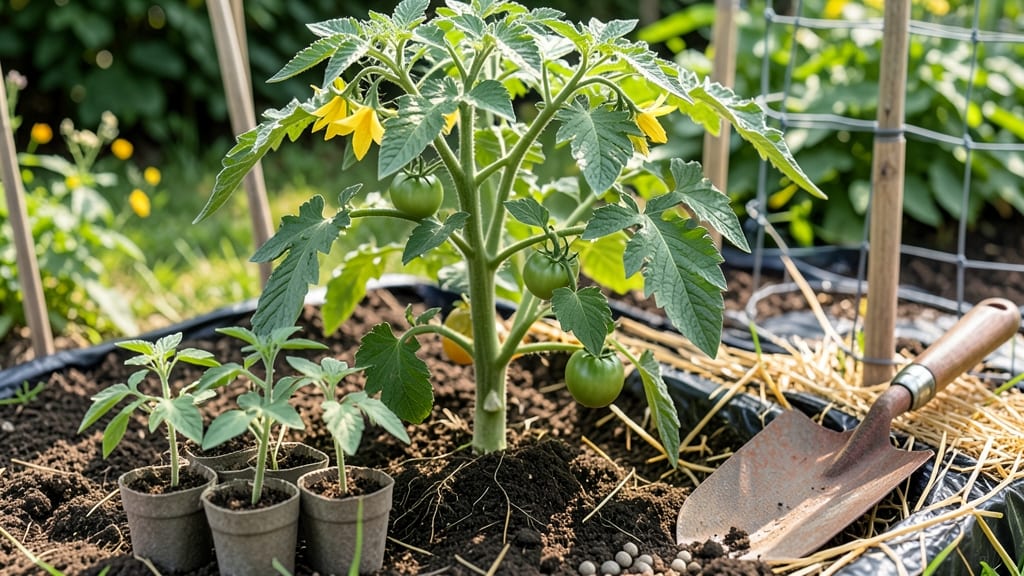
Planting tomatoes in South Carolina isn't just about checking a calendar—it's all about those soil temperatures that can make or break your harvest. Skip this step, and your 🍅 seedlings might never even sprout, leaving you with empty garden beds and wasted time.
Here in zones 7b-8b, timing matters more than you'd think. The key isn't just waiting for that last frost date—it's knowing when your soil warms to 60°F or higher, which can happen weeks after the official frost-free date.
I've learned the hard way that planting too early means soggy, rotting seeds, while waiting too long cuts your growing season short.
Whether you're starting seeds indoors in February or transplanting seedlings in spring, understanding these triggers is your secret weapon. We'll break down exactly when to plant for both spring and fall harvests, plus how to extend your season using simple tricks that actually work in our humid climate.
Ready to grow tomatoes that thrive? Let's dive into the fast, foolproof methods that have saved my garden—and will save yours too.
South Carolina tomato planting dates by soil temperature (not just the calendar)
Timing your tomato planting in South Carolina isn’t just about the calendar—it’s a delicate dance with soil temperatures that can mean the difference between a bountiful harvest and wasted effort. While most gardeners focus on last frost dates, tomatoes need specific soil warmth to germinate and thrive.
Skipping this step often leads to slow growth or seedlings that simply refuse to sprout. The key? Soil thermometers and knowing your region’s unique microclimates.
South Carolina spans USDA zones 7b-8b, but within those zones, coastal areas like Charleston have milder winters, while the Upstate (Greenville, Spartanburg) experiences earlier frosts. Even a 10°F difference in soil temperature can delay germination by weeks.
That’s why I always check my soil’s warmth before planting—whether I’m starting seeds directly or transplanting seedlings.
Here’s the critical rule: Tomato seeds need soil at least 50°F to germinate, but transplants thrive best in 60°F+ soil. Coastal SC gardeners can often plant 2-3 weeks earlier than Upstate growers because of warmer soils.
For example, while Charleston might hit 60°F by late February, Spartanburg may not reach that until early April. This regional variation is why I’ve created a simple guide to help you pinpoint the perfect planting window.
| Region | Avg. Last Frost | Ideal Transplant Window | Soil Temp Threshold | Notes |
|---|---|---|---|---|
| Coastal (Charleston, Hilton Head) | Mid-February | Late February - Early March | 55°F+ (earlier starts possible) | Warmer microclimates; use row covers for extra protection |
| Piedmont (Columbia, Rock Hill) | Mid-March | Early April | 60°F+ (critical for strong roots) | Moderate humidity; watch for fungal diseases |
| Upstate (Greenville, Spartanburg) | Late March | Mid-April | 65°F+ (cooler nights delay growth) | Longer growing season; prioritize early varieties |
| Fall Planting (All Regions) | Mid-October | August - Early September | 60°F+ (soil must stay warm) | Use cold-hardy varieties like 'Stupice'; harvest before frost |
To use this table effectively, start by checking your local last frost date (I recommend the SC State Climate Office for precise data). Then, wait until your soil hits the 60°F threshold—this ensures your tomato roots establish quickly.
I’ve found that using a soil thermometer (just $10 at garden centers) eliminates guesswork. Stick it in the ground at soil level, not air temperature—this is where most gardeners go wrong.
For direct sowing seeds, aim for 50°F soil, but be prepared for slower germination. I’ve had better luck starting seeds indoors in late January (using grow lights) and transplanting them when soil warms up.
This gives seedlings a head start, especially in the Upstate where cooler springs delay planting. Pro tip: Harden off seedlings for 7-10 days before transplanting to avoid shock.
Don’t forget about fall planting—this is where SC gardeners can squeeze in a second harvest! Plant heat-tolerant varieties like 'Celebrity' or 'Solar Fire' in early August, giving them 60-70 days to mature before the first frost.
I’ve harvested tomatoes well into November in Charleston by using black plastic mulch to keep soil warm longer. Just avoid planting after mid-September in cooler zones, or your plants won’t have enough time to fruit.
One common mistake I see is planting too early because the calendar says "spring." But cold soil leads to blossom end rot and weak stems. Always prioritize soil warmth over calendar dates.
If you’re unsure, err on the side of waiting—tomatoes planted in 65°F+ soil will outperform those in 55°F soil every time. Trust the thermometer, not the almanac!
For extra insurance, I recommend soil warming tricks like laying down black plastic mulch a week before planting or using clear plastic tunnels to trap heat. In my Upstate garden, this has helped me plant 2 weeks earlier than the table suggests.
Just remember to remove mulch once plants are established to prevent overheating.
Finally, keep an eye on nighttime temperatures. Tomatoes need consistent warmth, so if nights dip below 50°F, your plants may struggle. In the Upstate, I’ve used row covers to protect young plants until soil temperatures stabilize.
This small investment can mean the difference between a thriving plant and a stunted one.
Timing your tomato planting in South Carolina bo
How to extend your South Carolina tomato growing season (cool weather tricks)
South Carolina’s warm winters and mild springs offer gardeners a unique opportunity to grow tomatoes almost year-round in microclimates like Charleston. While most gardeners focus on spring planting, extending your season into fall—or even winter—can double your harvest.
The key lies in using seasonal extension tools and selecting the right tomato varieties that thrive in cooler temperatures.
In coastal areas, where winters are gentler, you can push your growing season well past the first frost. For example, 'Stupice' tomatoes, a cold-hardy variety, can survive light frosts and produce fruit even when temperatures dip to 30°F at night.
Pairing these varieties with protective measures ensures you’ll have homegrown tomatoes long after your neighbors’ plants have died back.
Here’s how to maximize your tomato harvest in South Carolina’s shorter seasons:
For fall planting, start seeds indoors in late July and transplant outdoors by mid-August. Use drip irrigation to keep soil moist, as cooler temps slow water absorption.
In warmer microclimates, you might even get a winter harvest if you use a low tunnel hoop house covered with clear plastic.
Remember, soil health is critical for extended seasons. Amend your beds with compost and aged manure before planting to ensure nutrients are available when temps drop. In Charleston’s sandy soil, adding organic matter improves moisture retention, which is essential for fall-grown tomatoes.
With these tricks, you can enjoy tomatoes from May through November—or even longer in sheltered spots. The secret isn’t just about pushing limits; it’s about working with your climate’s natural rhythms while giving your plants the tools they need to thrive. 🌱🍅