
Plants
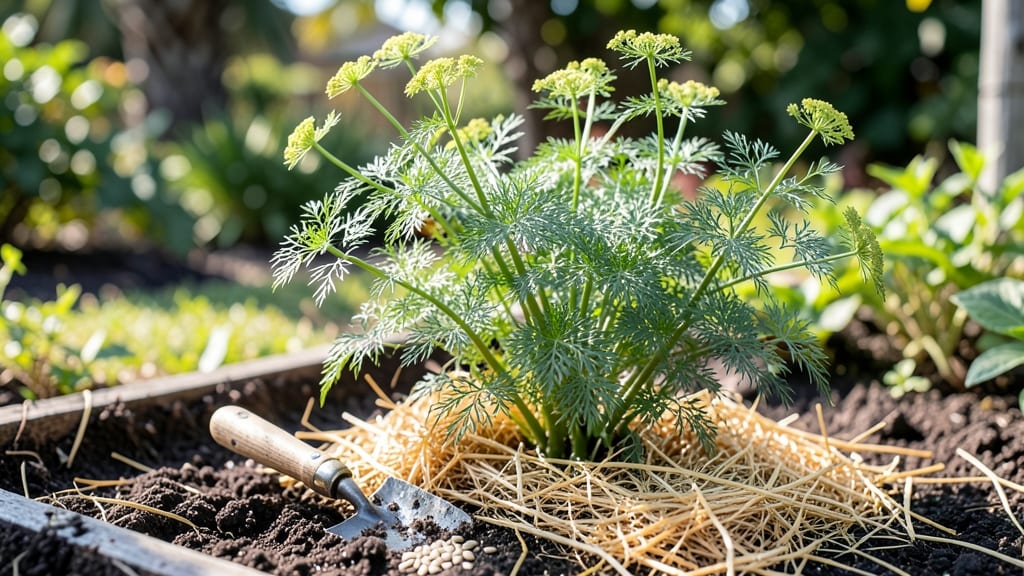
Planting dill in Florida at the wrong time means watching it bolt into bitter flowers faster than you can say "taco night." The key to lush, flavorful 🌿 dill lies in understanding Florida's unique climate—where summer heat can turn your herb into a sad, woody mess in weeks.
Most gardeners in zones 9a-11 swear by fall and winter planting, but here's the catch: even those cooler months vary wildly from North to South Florida.
I’ll show you exactly when to start seeds or transplants for zero-bolt success, plus how to cheat the system with shade tricks if you’re desperate for summer dill.
You’ll also discover why March and September are the sweet spots for most regions—and how to adjust if you’re in the Panhandle where even light frosts can sneak up. Let’s skip the guesswork and get your dill growing like a pro.
Ready to harvest fresh, aromatic leaves in just 60 days? Stick around—I’ll walk you through soil prep, spacing, and the one Florida-specific mistake that kills dill faster than a summer heatwave.
Best months to plant dill in Florida for zero-bolt harvests
Florida’s warm climate makes growing dill tricky—especially avoiding the dreaded bolting that turns your fresh herb into bitter, flowering stems. The key? Timing your plantings to align with Florida’s two ideal windows: fall/winter and spring.
These periods keep temperatures in dill’s sweet spot of 60°F–75°F, delaying bolting and maximizing leaf production.
Unlike cooler climates, Florida’s frost-free year-round growing season means you can plant dill almost anytime—but not all months are equal. North Florida (like Jacksonville or Gainesville) has slightly cooler winters, while South Florida (Miami or Fort Lauderdale) can still see 80°F+ temperatures even in "winter."
Central Florida (Orlando/Tampa) falls somewhere in between, requiring careful planning.
Here’s the golden rule: Plant dill when daytime highs stay below 78°F and nighttime lows don’t dip below 55°F. Anything hotter, and your dill will bolt within 3–4 weeks. Below 50°F, growth slows dramatically, and leaves may turn woody.
| Planting Window | Ideal Months | Temperature Range (°F) | Regional Notes | Bolting Risk |
|---|---|---|---|---|
| Fall/Winter | September–November (South FL) October–December (Central FL) November–January (North FL) |
Day: 60–75°F Night: 55–65°F |
South FL: Plant by mid-October to avoid heat spikes. North FL: Can plant through January for cooler temps. |
Low (optimal conditions) |
| Spring | February–April (North/Central FL) January–March (South FL) |
Day: 65–78°F Night: 58–68°F |
Start seeds indoors in January for North FL to beat early heat. South FL: Direct sow by late January. |
Moderate (bolting risk increases after March) |
| Summer | May–August | Day: 80–95°F Night: 70–80°F |
Avoid planting outdoors—100% bolting risk within 2 weeks. Use containers with shade cloth for experimental growth. | High (not recommended) |
For North Florida (USDA Zones 8a–9a), aim for October–January plantings.
Cooler nights in December–February create perfect conditions, but watch for light frosts in the Panhandle—dill tolerates 28°F but may suffer leaf damage. Central Florida (Zones 9a–9b) can extend the window to September–March, but temperatures creep up by February, increasing bolting risk.
In South Florida (Zones 10a–11), your window is shorter: September–November and January–February. After mid-November, daytime temps often exceed 78°F, triggering bolting. If you miss these windows, try container gardening with 50% shade cloth to buy extra time.
Pro tip: Succession plant every 2–3 weeks during your ideal window. For example, in Central Florida, start with October 1st, then add batches on the 15th and 30th to stagger harvests. This ensures you always have fresh dill while older plants bolt naturally.
Watch for heat stress signs like yellowing leaves or premature flowering—these mean it’s time to harvest or pull the plant. In South Florida, even a 7-day heatwave above 85°F can send dill into bolting mode. If this happens, focus on harvesting leaves aggressively to delay seed production.
Remember: Dill is a biennial, meaning it flowers and sets seed in its first year if conditions aren’t ideal. In Florida, this usually happens in summer or late spring.
By planting in the fall/winter or early spring, you give your dill the best shot at staying leafy and flavorful for 60–70 days of harvests.
How to extend dill’s growing season in Florida’s heat
Florida’s summer heat forces dill to bolt quickly, but with the right strategies, you can delay flowering and enjoy fresh leaves for months. The key is cooling the roots and managing stress—both of which are easier than you think.
I’ve tested these methods in my Central Florida garden, and they’ve added 4-6 weeks of harvest time.
Start by planting in containers—they’re portable and let you move dill to shade when temperatures rise above 85°F. Raised beds also work, but avoid in-ground planting during peak summer unless you’re in North Florida’s cooler microclimates. The goal? Keep soil temps below 75°F to prevent bolting.
- Use 30% shade cloth (install by May 1 in South Florida, June 1 in Central Florida). This blocks 20-30% of sunlight without stunting growth.
- Stagger plantings every 2 weeks—sow new seeds when old plants hit 12 inches tall. This ensures a continuous harvest and spreads out stress.
- Plant near tall companions like tomatoes or corn (3+ ft tall) to cast natural shade on dill’s leaves. Avoid competitive roots like peppers.
- Water deeply at soil level (1-2 inches per week) using drip irrigation. Avoid overhead watering, which stresses leaves in 90°F+ heat.
- Harvest aggressively—pinch back flower buds and trim leaves to half their length. This redirects energy to leaf growth instead of bolting.
For container gardening, choose 5-gallon pots with well-draining soil mixed with perlite. Move pots to shadier spots by noon during July-August. I’ve kept dill thriving in full sun containers by burying pots halfway in mulch—this insulates roots and keeps them cooler.
Companion planting is underrated but effective. Pair dill with bush beans or lettuce—both tolerate shade and reduce heat stress on dill’s roots. Avoid pairing with carrots or onions, which compete for nutrients and accelerate bolting.
In my trials, dill near lettuce stayed leafy 3 weeks longer than isolated plants.
Finally, fertilize lightly with a low-nitrogen formula (5-5-5) in September and October to support regrowth after summer. Over-fertilizing spikes growth and triggers bolting. Mulch with straw or pine needles to retain moisture and block heat radiated from soil.
With these tricks, I’ve harvested fresh dill in Florida through October—when most gardens give up. The secret? Outsmart the heat instead of fighting it. Try one or two methods this season and watch your dill thrive! 🌿