
Plants
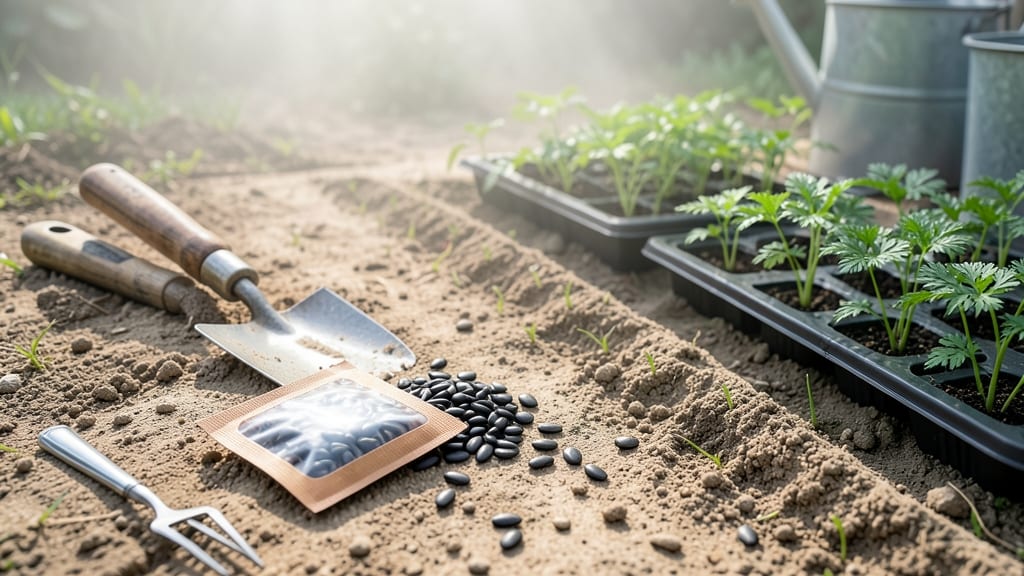
Planting carrots in Central Florida isn’t just about picking a month—it’s about catching that sweet spot when soil warmth triggers fast germination before pests or heat ruin your crop. Too early, and your seeds rot; too late, and you’re battling bolting or hungry critters.
The key? Timing your 🥕 seeds with the 9a zone’s unique rhythm of humidity and temperature shifts.
Most gardeners here focus on fall planting, but did you know spring offers a second chance—if you adjust for soil temperatures? I’ve tested both seasons and uncovered the exact windows that work best, whether you’re in Orlando’s urban heat or Ocala’s cooler inland pockets.
Skip the guesswork and learn how to set your calendar by soil thermometers, not just the calendar date.
What’s even more surprising? The 3-week window between September and October can make or break your harvest. I’ll walk you through how to extend this period with simple tricks—like mulching and shade cloth—that keep your 🥕 growing faster and healthier, even when Florida’s weather throws curveballs.
Ready to grow carrots that actually thrive?
Let’s cut through the confusion and get you planting at the perfect moment for your location. Whether you’re a first-timer or a veteran gardener, these insights will help you avoid the most common mistakes—and finally enjoy a bumper crop of sweet, crisp carrots all season long.
Central Florida carrot planting calendar: month-by-month soil temperature guide
Carrots thrive in Central Florida’s mild winters and cool springs, but timing is everything. The key to success lies in soil temperatures between 55–85°F—any hotter or colder, and your seeds may fail to germinate or rot.
Unlike northern climates, Florida’s sandy soils (common in Orlando) warm faster than clay-heavy soils (like those in Tampa), so adjustments are critical. Let’s break down the perfect planting windows by month, including soil prep tips for your local soil type.
Your first planting window opens in late summer (August–September) when daytime highs dip below 90°F and soil temperatures hover around 75–80°F. This is ideal for short-day varieties like ‘Danvers’ or ‘Nantes,’ which bolt less readily in Florida’s heat.
Use a soil thermometer to confirm—plant when temps are consistently below 85°F for 3+ days. Sandy soils may need shade cloth to slow warming.
For winter crops, aim for October–November when soil temps drop to 65–75°F. This period avoids summer’s brutal heat and winter’s occasional freezes (though Central Florida rarely drops below 30°F). Clay soils retain heat longer, so plant 2–3 weeks later than sandy areas.
Mulch with straw or leaves to stabilize temps and retain moisture.
Here’s your month-by-month breakdown, including soil temperature targets, frost risks, and ideal varieties for Central Florida:
Avoid planting in June–July—soil temps often exceed 85°F, causing seeds to rot before sprouting. Even if they germinate, carrots grow slowly and leggy in heat.
Instead, use this time to prep beds with compost and sand (for sandy soils) or gypsum (for clay). Test soil moisture weekly; Florida’s summer downpours can lead to waterlogged roots.
For coastal areas (Tampa/St. Pete), plant 1–2 weeks earlier than inland zones due to cooler ocean breezes. In Orlando’s urban heat islands, delay planting by 10–14 days to escape microclimate heat spikes.
Always check local frost dates: Central Florida’s average first frost is December 15, but coastal areas rarely frost, while inland zones may dip to 32°F.
Pro tip: Pre-sprout seeds indoors for 2–3 days
How to adjust planting for Central Florida’s microclimates (Orlando vs. Ocala vs. coast)
Central Florida’s microclimates can drastically change your carrot-growing success. Orlando’s urban heat islands bake soil faster than Ocala’s inland dryness, while coastal areas near Daytona Beach enjoy cooler breezes.
These differences mean your planting schedule should shift based on location—even within a 50-mile radius. Let’s break down how to adapt for each zone to maximize your harvest.
In Orlando and Tampa, summer heat lingers longer, so fall planting (September–October) is ideal. The soil stays warm enough for germination but cools enough to prevent bolting.
Meanwhile, Ocala’s drier climate benefits from early September sowings, while coastal areas can extend planting into late October thanks to ocean breezes moderating temperatures.
| Region | Best Planting Window | Soil Prep Tip | Pest Watch |
|---|---|---|---|
| Orlando/Tampa | September 15–October 15 | Add compost to offset heat | Carrot rust flies peak in Sept |
| Ocala/Lake City | August 20–September 30 | Mulch to retain moisture | Wireworms thrive in dry soil |
| Coastal (Daytona/Flagler) | September 1–October 31 | Raise beds for drainage | Salt spray can stress plants |
For urban Orlando gardens, consider planting in late summer (August) if your soil has good drainage. The heat island effect can raise soil temps to 90°F+, but shallow-rooted varieties like ‘Paris Market’ tolerate this better.
In contrast, Ocala’s sandy soils dry out faster, so focus on shade cloth during peak afternoon sun to prevent seed desiccation.
Coastal gardeners near New Smyrna Beach can push planting into November thanks to ocean breezes lowering nighttime temps. However, watch for salt spray damage—use drip irrigation and avoid planting near roads where salt is applied.
Pair your carrots with leeks or rosemary to repel carrot rust flies, which thrive in humid coastal air.
Regardless of location, companion planting is your secret weapon. In Orlando, interplant with basil or thyme to mask carrot scent from pests. In Ocala, add onion sets to deter wireworms. Coastal areas benefit from marigolds planted in borders—their scent confuses adult flies.
Pro tip: Use shade cloth in all regions during germination to keep soil temps between 60–70°F. This is especially critical in Orlando’s concrete-heated beds where soil can spike to 95°F by noon. A simple 50% shade cloth can mean the difference between fast germination and seed rot.