
Plants
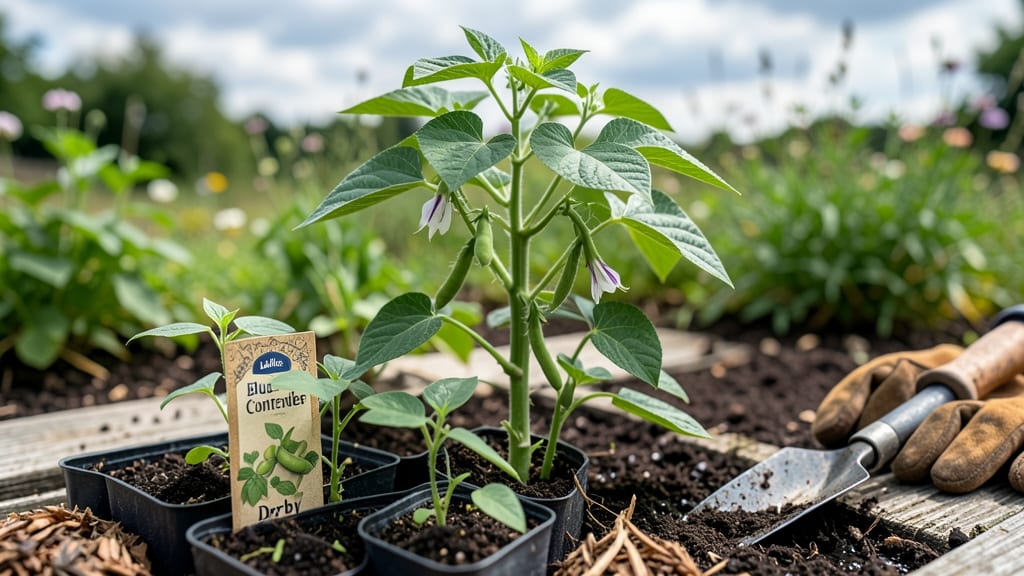
If you’ve ever planted bush beans 🌱 in Florida only to watch them bolt into bitter flowers before producing a single pod, you’re not alone—timing is the game-changer between a bountiful harvest and a wasted effort.
Florida’s frost-free climate might make gardening seem easy, but bush beans are finicky about heat and humidity. Plant them too early in summer, and they’ll rush to flower; too late, and pests or scorching temperatures will steal your harvest.
The key? Understanding microclimates—North Florida’s cooler springs, Central Florida’s brutal summers, and South Florida’s year-round growing seasons all demand different strategies.
In this guide, I’ll break down the exact planting windows for your region, plus soil prep tips to keep roots cool and plants thriving. Whether you’re a first-time gardener or a veteran grower, these insights will help you avoid common mistakes and enjoy fresh, tender beans straight from your garden.
Ready to turn your bush bean dreams into reality? Let’s dive into the best times to plant for a harvest that lasts all season long.
Florida’s 3 planting zones for bush beans: avoiding bolting and heat stress
Florida’s climate is a gardener’s double-edged sword—warm year-round but with microclimates that demand precision when planting bush beans. North Florida’s cooler winters contrast sharply with South Florida’s relentless summer heat.
To avoid bolting (premature flowering) or heat stress, you must align planting with soil temperatures and regional heat patterns. Let’s break down the three key zones and their perfect planting windows.
Bush beans thrive when soil temperatures stay between 55–85°F. In North Florida, this means avoiding spring’s unpredictable warmth spikes, while South Florida demands summer shade strategies. Central Florida sits in the middle—ideal for fall plantings but requiring early summer adjustments.
Each zone has its own heat-tolerant varieties that perform best, like ‘Contender’ for Southern Florida’s intensity.
🌱 Key Insight: Florida’s frost-free growing season (all 365 days) means you can plant bush beans year-round, but timing is critical. Miss the window, and you’ll deal with stunted growth, bitter pods, or pest surges. Below is your zone-by-zone planting calendar, complete with soil temperature thresholds and variety recommendations.
In North Florida, where winters dip into the 50s°F, your best bets are late winter (February–March) and fall (September–October). Plant seeds when soil temps hit 55°F—any earlier, and you’ll trigger bolting from erratic warm spells. Use row covers if nights stay chilly to protect young plants.
Central Florida’s longer growing season lets you plant twice a year, but summer heat (June–July) is deadly for bush beans. Aim for January–February or August–September plantings.
If you must plant in summer, use shade cloth (30–50%) to keep soil temps below 85°F. Varieties like ‘Contender’ handle heat better than others.
Southern Florida’s tropical climate allows year-round growth, but humidity and pests peak in summer. Focus on fall plantings (September–November) and early spring (February–March).
Soil temps above 85°F will stress plants, so mulch heavily with straw or grass clippings to insulate roots. ‘Blue Lake’ is a top pick for its disease resistance.
💡 Pro Tip: Test soil temps with a soil thermometer (insert 2 inches deep). If temps exceed 85°F, delay planting or use shade cloth. Morning planting (before 10 AM) reduces heat stress on seedlings. Water deeply at soil level to avoid wetting leaves, which invites fungal diseases.
Transitioning between seasons? For example, if you plant in early summer (June) in Central Florida, start seeds indoors 4–6 weeks before outdoor temps drop below 90°F. Harden off seedlings gradually to avoid transplant shock. In South Florida2–3 weeks in fall to extend harvests through winter.
Watch for early bolting signs: plants sending up flower stalks before pods form. This happens when days get too long (14+ hours of light) or temps spike.
If you see it, harvest immediately—even small pods are edible—or pull plants to reset growth. ‘Contender’ and ‘Blue Lake’ varieties are slower to bolt in heat.
Finally, soil prep is non-negotiable. Bush beans need well-draining soil with pH 6.0–7.0. Mix in compost before planting to boost nitrogen levels. Avoid fresh manure—it can burn roots. In sandy Florida soils, add peat moss to retain moisture during dry spells.
With these zone-specific strategies, you’ll avoid bolting, maximize yields, and enjoy fresh bush beans year-round—no matter where you garden in Florida. Happy planting! 🌿
Pro tips to extend your bush bean harvest in Florida’s unpredictable climate
Florida’s unpredictable heat spikes and sudden rain showers can turn a thriving bush bean patch into a bolted disappointment overnight. The key to a steady harvest? Strategic timing and climate-smart adjustments. By mastering these techniques, you’ll keep your plants producing crisp, sweet pods for months instead of weeks.
First, succession planting is your secret weapon. Instead of one massive planting, space out new seeds every 2–3 weeks starting in late winter. This ensures a continuous supply of fresh pods while older plants mature.
For example, plant your first batch in January, then follow up in February, March, and April to stretch your harvest into fall.
🌱
Start in January, repeat through April for fall harvests. Use heat-tolerant varieties like 'Contender' for summer plantings.
Deploy 30–50% shade cloth when temps exceed 90°F to prevent bolting and heat stress. Secure 3–4 feet above plants for airflow.
Apply 3–4 inches of mulch to retain moisture and regulate soil temperature. Replenish after heavy rains to prevent soil compaction.
Watch for tall stems and yellowing leaves—signs your plants are bolting. Prune flower buds to redirect energy to pod production.
Spray neem oil weekly to deter bean beetles and aphids. Handpick pests early to avoid systemic damage.
Don’t let Florida’s summer heat sabotage your harvest—shade cloth is your best friend during June–August. A 30–50% shade cloth reduces soil temps by 10–15°F, slowing bolting and keeping plants focused on pod production. Install it 3–4 feet above plants to maintain airflow and prevent fungal issues.
Another game-changer? Mulching. A thick layer of straw or grass clippings (3–4 inches) locks in moisture and keeps soil temps stable. In South Florida’s humidity, this prevents root rot while encouraging steady growth. Replenish mulch after heavy rains to maintain its effectiveness.
Keep an eye out for early bolting, where plants suddenly shoot up tall stems and flower prematurely. If you spot yellowing leaves or elongated stems, prune flower buds immediately to redirect energy back to pod production. This trick can add 2–3 weeks to your harvest window.
Pests like bean beetles and aphids thrive in Florida’s warm climate, but a weekly neem oil spray keeps them at bay. For severe infestations, handpick adults and larvae in the early morning when they’re sluggish. Row covers can also provide a physical barrier during critical growth stages.
With these pro tips, your bush beans will thrive even in Florida’s unpredictable climate. Start with succession planting, protect from heat with shade cloth, and stay vigilant against pests—your harvest will last all season! 🌿