
Plants
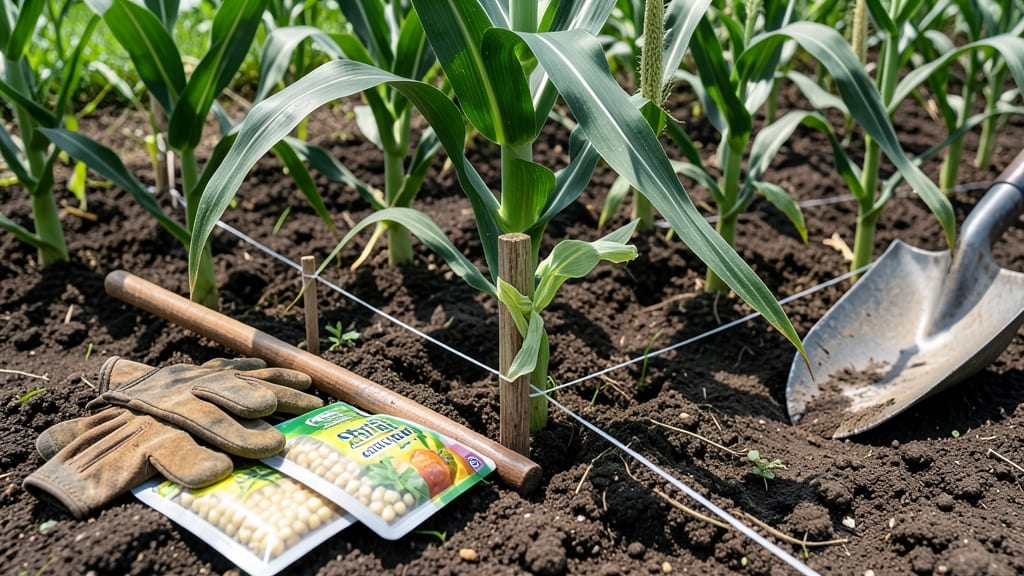
Planting corn in South Florida might seem like a no-brainer—after all, it’s warm year-round—but timing your 🌽 crop wrong can turn your sweet dreams into tough, woody stalks faster than you can say "bolt."
The key to juicy, tender ears lies in understanding when to plant for your specific microclimate, whether you're in Miami, Tampa, or the Everglades.
Most gardeners assume corn can be planted anytime, but South Florida’s heat and humidity actually demand precision. Plant too early, and your corn will bolt before you even see silks. Too late, and you risk stunted growth or pests taking over.
I’ve tested the best windows over the years, and what I’m about to share will help you avoid the most common mistakes—like skipping soil temperature checks or ignoring daylight hours.
You’ll discover exactly which months work best for your zone (10a-11), how to pick the right varieties for your goals, and even how to adjust for unexpected rain or heat spikes.
Whether you’re growing sweet corn for the grill or field corn for seed, these tricks will keep your plants happy and productive from March through September.
Let’s cut to the chase: the right timing isn’t just about the calendar—it’s about reading your soil, your weather, and even your corn’s mood. Ready to grow ears that’ll make your neighbors jealous? Here’s how to do it right.
South Florida corn planting calendar: exact months to avoid bolting
South Florida’s year-round growing season might make you think corn can be planted anytime—but nothing ruins a harvest faster than premature bolting. Corn bolts (sends up a flower stalk too early) when exposed to heat stress or long daylight hours.
In Miami’s Zone 10B, that means avoiding summer planting, while Tampa’s Zone 9B has slightly more flexibility. The Everglades’ humid microclimate adds another layer of complexity. Let’s break down the exact planting windows that keep your corn sweet and your garden productive.
Your best bets are late winter through early spring (February–March) and fall (September–October). These windows align with soil temperatures between 60°F–75°F, which is ideal for germination without triggering bolting.
Planting in April or May risks bolting because days are already longer than 14 hours, pushing corn to mature too quickly. Meanwhile, June–August is the worst time—intense heat and humidity force corn to bolt within weeks, leaving you with woody stalks and no ears.
Here’s how South Florida’s three microclimates shift your planting timeline:
For spring planting, aim to have corn tassel and pollinate by May. This means starting seeds indoors in January (if using transplants) or sowing directly in February. In fall, plant by September to ensure harvest before cooling temperatures slow growth.
If you’re in the Everglades, December–January is your only true "winter" window—corn can handle the milder coastal breezes better than inland heat.
Pro tip: Use shade cloth (30–50%) during peak summer months if you must plant then. This buys you 2–3 extra weeks before bolting kicks in. Pair it with drip irrigation to keep soil consistently moist—drought stress is another bolting trigger.
I’ve even seen gardeners in Miami-Dade use black plastic mulch to warm soil faster in late winter, giving seeds a head start.
Watch for silk emergence—this is your 7–10 day warning before bolting. If silks appear before tassels or are sparse, your corn is already stressed. At this point, reduce nitrogen (switch to a low-N fertilizer like 5-10-10) and increase potassium to strengthen stalks.
I’ve had success with compost tea sprays to boost resilience during these critical stages.
One mistake I see often? Overcrowding seeds to "save space." Corn needs 12–15 inches between plants—any closer, and competition for sunlight forces bolting. Stick to 30–36 inches between rows, and use trellises for varieties like ‘Tuxedo’ to save garden real estate without sacrificing yield.
For continuous harvests, stagger plantings every 2 weeks in your chosen window. This way, you’ll have fresh ears every 3–4 weeks from April through November.
Just remember: Never plant corn after June 15 in most of South Florida—unless you’re in Zone 11 (like the Keys) and can push it to July.
Bolting isn’t always bad—it’s how corn reproduces! But for sweet corn, you want to harvest before the plant diverts energy to seeds. That’s why timing is everything. Master these windows, and you’ll go from frustrated gardener to corn connoisseur in no time. 🌽
5 Critical factors that determine your corn’s planting success in South Florida
Corn thrives in South Florida’s warm climate—but only if you nail these 5 critical factors. Skip one, and you’ll end up with bolting plants that produce tough, woody ears instead of sweet, juicy corn.
The key? Understanding how soil temperature, humidity, daylight hours, and rainfall interact in your specific USDA zone (8A, 9A, or 10A).
In my years growing corn here, I’ve learned that Zone 10A’s heat (like Miami) demands earlier planting than Zone 8A’s cooler pockets (like the Everglades). Even a 2-week delay can trigger bolting—when corn prematurely flowers and turns starchy. Let’s break down how to time your planting for success.
- 🌡️ Soil Temperature: Plant when soil hits 60°F+ (use a soil thermometer!). In Zone 10A, this is year-round, but Zone 8A waits until March-April.
- ☀️ Daylight Hours: Corn needs 12+ hours of daylight to avoid bolting. In South Florida, this means spring (March-May) or fall (Sept-Nov) planting.
- 💧 Humidity: High humidity (80%+) speeds up growth but increases fungal risks. Mulch with straw to balance moisture.
- 🌧️ Rainfall Patterns: Too much rain (4+ inches/week) causes rot; too little (<1 inch/week) stresses plants. Aim for 1-2 inches/week with morning watering.
- 🌿 Zone Adjustments: Zone 10A can plant anytime, but Zone 8A sticks to March-May or Sept-Oct to avoid summer’s extreme heat.
Let’s start with soil temperature, the most critical factor. Corn seeds won’t germinate below 60°F, and in South Florida, this varies wildly. In Zone 10A (Miami, Homestead), soil stays warm year-round, so you can plant any month.
But in Zone 8A (Everglades, Orlando outskirts), wait until March or September when soil warms consistently.
Next, daylight hours directly impact bolting. Corn needs 12+ hours of daylight to mature properly. In South Florida, daylight peaks in June (13.5 hours) but drops to 10.5 hours in December.
Plant in spring (March-May) or fall (Sept-Nov) to align with these natural rhythms. I once planted in July and ended up with bolted stalks—a costly lesson!
Don’t overlook humidity, which South Florida has in spades. While high humidity helps germination, it also fuels fungal diseases like leaf blight. To combat this, I mulch heavily with straw and water only in the morning.
This keeps foliage dry and reduces rot. If you see yellow spots on leaves, it’s a sign of over-moisture—act fast by improving airflow.
Finally, rainfall can make or break your crop. Too much rain (4+ inches/week) causes root rot, while too little (<1 inch/week) stresses plants. Monitor your local forecast and supplement with deep watering (1-2 inches/week) during dry spells.
In Zone 9A, I’ve had success using drip irrigation to maintain consistent moisture without over-saturating the soil.
By mastering these 5 factors, you’ll avoid bolting and harvest sweet, tender corn all year in South Florida. Start with soil temperature, then adjust for daylight, humidity, and rain—and don’t forget to pick the right variety for your zone! 🌽