
Plants
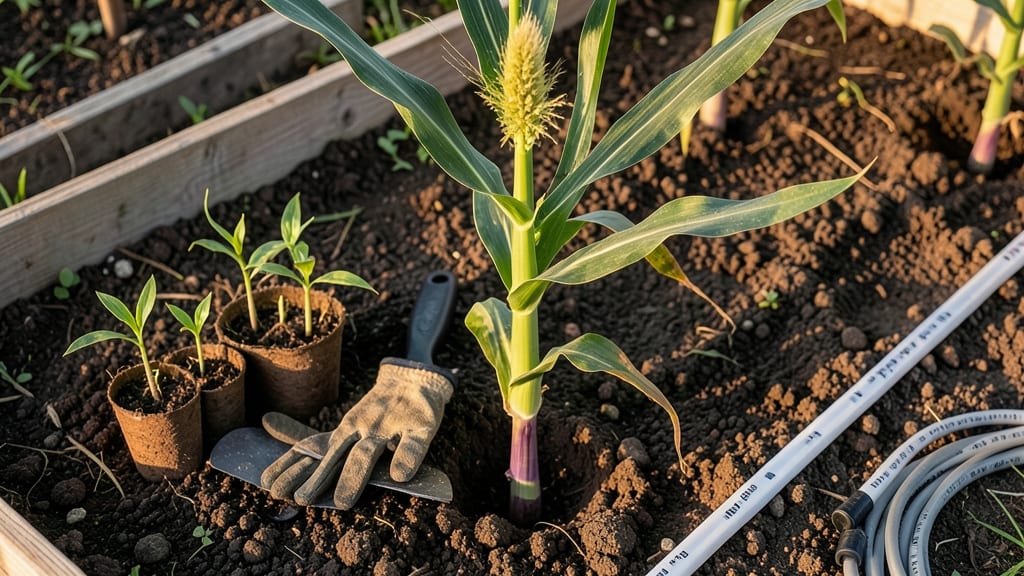
To plant corn in Zone 9b and avoid heat stress or stunted growth, timing is everything—get it wrong, and you might end up with tough, underdeveloped ears instead of sweet, plump 🌽.
Unlike cooler climates, Zone 9b’s frost-free year-round conditions mean you can’t rely on spring frost dates, so the key is planting when soil temperatures hit that sweet spot of 60°F (15°C).
Most gardeners in Phoenix or Southern California desert areas swear by late winter to early spring plantings (February to March), but there’s a trickier option: late summer plantings for heat-tolerant varieties.
The challenge? Avoiding extreme summer heat, which can scorch young plants or disrupt pollination. I’ll show you exactly how to balance these factors for a reliable harvest.
Why does this matter? Because corn planted at the wrong time in Zone 9b often struggles—either bolting too fast in early heat or wilting under mid-summer’s intensity. The right schedule ensures your stalks grow tall and strong, with ears developing just as the weather cools enough for ideal sweetness.
Let’s break down the best windows and varieties to maximize your success.
You’ll also discover how to extend your harvest season with succession planting, even in a warm climate. Whether you’re a first-time gardener or a seasoned grower, these tips will help you avoid common pitfalls and enjoy fresh corn straight from your garden for months. Ready to get started?

Best planting months for corn in Zone 9B (with heat tolerance tips)
If you're growing corn in Zone 9B, timing is everything. Unlike cooler climates, Zone 9B’s warm winters and scorching summers demand a strategic approach. Plant too early, and you risk heat stress during pollination.
Too late, and your ears may never mature. The key is two planting windows: early spring (February-March) and late summer (August-September).
Corn thrives when soil temperatures hit 60°F (15°C)—a threshold Zone 9B reaches by mid-February in most areas. However, extreme summer heat above 95°F (35°C) can stunt growth or cause ear rot.
That’s why I recommend two distinct planting strategies: cool-season varieties for spring and heat-tolerant hybrids for late summer.
Here’s the critical comparison to help you decide:
| Planting Window | Ideal Soil Temp | Heat Risk | Best Varieties | Harvest Window |
|---|---|---|---|---|
| Early Spring (Feb 15 - Mar 15) | 60-70°F (15-21°C) | Low (cool nights) | 'Golden Bantam', 'Country Gentleman' | May - June |
| Late Summer (Aug 1 - Sep 15) | 70-80°F (21-27°C) | High (use shade cloth) | 'Peaches and Cream', 'Silver Queen' | Oct - Nov |
For spring plantings, aim for February 15 to March 15 when daytime highs are 70-80°F (21-27°C). This gives your corn 60-90 days to mature before summer heat peaks. Use dwarf or semi-dwarf varieties like 'Golden Bantam'—they handle Zone 9B’s intense sun better than tall types.
If you prefer late-season harvests, plant August 1 to September 15. This window avoids the hottest months (June-August) when temperatures often exceed 100°F (38°C). Choose heat-tolerant varieties like 'Peaches and Cream' and provide shade cloth during pollination to protect tassels from drying out.
Soil temperature is your best guide. Use a soil thermometer to confirm 60°F (15°C) before planting. In Zone 9B, this usually aligns with mid-February for spring and early August for fall. If your soil is cooler, wait—corn won’t germinate below 50°F (10°C).
Heat stress is your biggest enemy. When temperatures exceed 90°F (32°C), corn’s pollination process fails, leading to blind ears (ears with no kernels). To prevent this, water deeply in the morning and use mulch to keep roots cool. For late plantings, shade cloth (30-50%) during tasseling can boost success rates by 40%.
Pro tip: Succession plant every 2 weeks in spring for a staggered harvest. In Zone 9B, this means planting February 15, March 1, and March 15 to ensure ears ripen before summer heat sets in.
For late plantings, stick to one batch in early August—any later, and ears may not mature before frost (rare but possible in high deserts).
Finally, avoid planting in May or June. By then, soil temperatures soar above 85°F (29°C), causing poor germination and weak stalks. Save these months for succession plantings of shorter-season crops like beans or squash instead.
With these strategies, you’ll enjoy sweet, tender corn from May through November—no matter how hot Zone 9B gets! 🌽
How to extend corn season in Zone 9B (succession planting guide)
Corn in Zone 9B thrives with the right timing—staggered plantings let you enjoy fresh ears from spring through fall. The key is spacing out sowings every 2-3 weeks to keep a steady supply.
I’ve learned that heat-tolerant varieties and proper soil prep make all the difference in avoiding bitter kernels or poor pollination.
Start your first planting in late February to early March when soil temps hit 60°F (15°C). Then, repeat every 2-3 weeks until mid-summer. This method ensures you’re not overwhelmed with harvests all at once while maximizing your garden’s potential.
Avoid planting after July—the extreme heat can stress young plants and reduce ear quality.
For soil prep, focus on drainage and nutrients. Zone 9B’s clay-heavy soils can bake hard in summer, so mix in 2-3 inches of compost and a balanced fertilizer (10-10-10) before planting.
I’ve seen corn struggle in poor soil—it’s worth the effort to test your pH (aim for 6.0-7.0) and add organic matter. Mulch with straw to retain moisture and keep roots cool during peak heat.
Variety selection is critical. Short-season varieties like ‘Early Sunglow’ (72 days) work for early plantings, while heat-tolerant types such as ‘Pantry Queen’ (110 days) handle late summer sowings. Avoid sweet corn varieties with longer maturity dates—they’ll bolt or produce tough kernels in Zone 9B’s heat. Always check seed packets for days to maturity and adjust your planting schedule accordingly.
Common mistakes in Zone 9B include overcrowding (which reduces ear size) and planting too late (leading to poor pollination). I’ve also seen gardeners skip succession planting and end up with a single harvest—don’t make that mistake!
Start small with 2-3 plantings to test what works best in your microclimate. If you live in a desert area, prioritize drought-tolerant varieties and drip irrigation to conserve water.
With this approach, you’ll enjoy fresh corn for 4-5 months—no need to buy expensive ears at the store! Just remember: timing, soil, and variety are your best friends in Zone 9B’s challenging climate. Happy planting! 🌽