
Plants
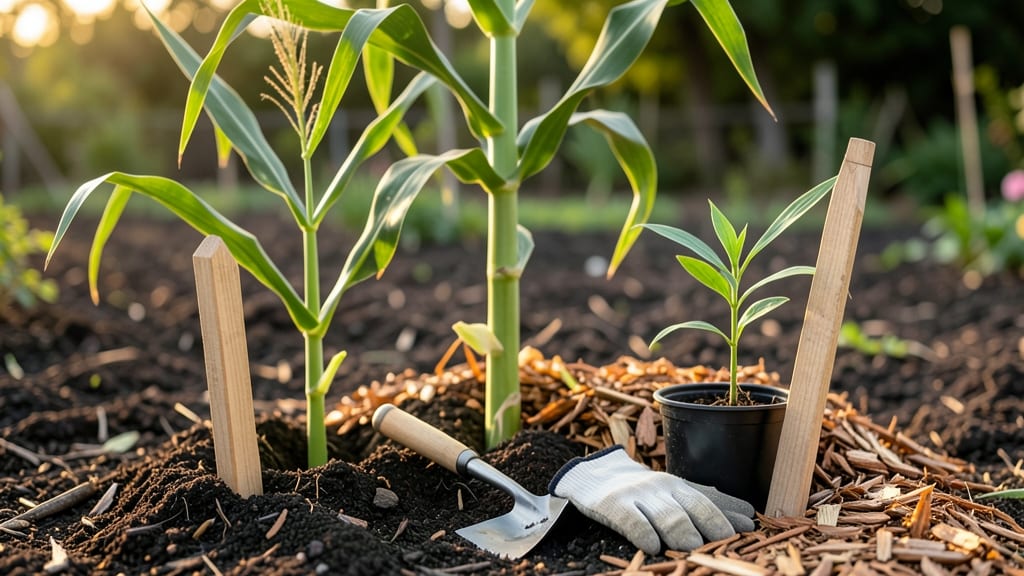
Planting corn in Zone 9 at the wrong time can turn your garden dreams into a sad, starchy flop—especially when summer heat sends those tender plants bolting before they even get a chance to shine.
The key to sweet, plump ears isn’t just about throwing seeds in the dirt; it’s about timing them perfectly for your 9a-9b climate, where frost-free days stretch all year but heat stress lurks around every corner.
If you’ve ever watched your corn struggle in the blazing sun or watched it bolt before reaching maturity, you’re not alone. The secret lies in planting during those critical weeks when soil temperatures hit 70°F+—usually between late February and early April—but also knowing when to avoid the hottest months.
I’ll show you exactly how to sync your planting schedule with Zone 9’s microclimates, whether you’re in coastal Southern California or the deserts of Arizona.
What you’ll discover is a data-driven approach to corn planting that accounts for heat tolerance, variety selection, and even companion planting to keep your crop thriving. No more guesswork—just a clear roadmap to harvest those golden ears at their peak. Let’s get your corn growing right the first time.
From choosing the best varieties for your region to managing soil moisture and succession planting, this guide covers everything you need to turn your Zone 9 garden into a corn lover’s paradise. Ready to ditch the trial-and-error and start planting with confidence?

Best planting weeks for corn in Zone 9 to avoid bolting
Zone 9 gardeners know the struggle: hot summers and long growing seasons make corn planting tricky. Unlike cooler zones, Zone 9’s frost-free year means timing isn’t about avoiding frost—it’s about preventing heat stress and bolting.
Plant too early, and your corn will bolt prematurely from summer heat; too late, and you’ll miss the ideal harvest window before temperatures spike. Let’s break down the exact weeks to plant for sweet, plump ears every time.
Corn thrives when soil temperatures hit 60°F+, but in Zone 9, soil warms quickly. Coastal areas (like San Diego) stay milder longer, while inland zones (like Phoenix) heat up faster. This means planting windows shift by weeks depending on your microclimate.
For most of Zone 9, the sweet spot is late February to early April, but let’s refine that further for your specific conditions.
🌱 Why timing matters: Corn needs 75–120 days to mature, depending on the variety. Planting too early in inland areas can trigger bolting (premature flowering) from heat stress, while late plantings may not reach maturity before summer’s peak. The key is aligning your planting date with soil warmth and cool-season growth before temperatures climb above 90°F.
| Microclimate | Optimal Planting Weeks | Soil Temp Goal | Days to Maturity | Harvest Window |
|---|---|---|---|---|
| Coastal (e.g., San Diego, LA) | Late February – Mid-April | 60°F+ | 75–90 days | May – June |
| Inland (e.g., Phoenix, Riverside) | Early March – Early April | 65°F+ | 60–75 days | April – May |
| Desert (e.g., Tucson, Palm Springs) | Mid-March – Late March | 70°F+ | 60–70 days | Late April – Early June |
| Succession Planting (All) | Every 2–3 weeks (March–May) | 60°F+ | 60–90 days | May – July |
For coastal Zone 9, where summers are milder, you can start as early as late February. Soil temperatures in San Diego or Santa Barbara often hit 60°F by then, giving you a 90-day window to harvest before summer heat intensifies.
Inland areas like Riverside or Phoenix should wait until early March to avoid bolting from early heat spikes.
Desert regions (e.g., Tucson or Palm Springs) have the shortest window: plant by late March to ensure maturity before 100°F+ temperatures set in. Use fast-maturing varieties (e.g., ‘Early Sunglow’) for these areas. Pro tip: Check soil temps with a soil thermometer—corn won’t germinate well below 60°F, even if it feels warm above ground.
Zone 9’s long growing season lets you try succession planting for continuous harvests. After your first planting, sow new seeds every 2–3 weeks through May. This stretches your harvest from May to July, avoiding the peak heat of August and September.
Just remember: late plantings need shorter-day varieties to mature before summer’s end.
If you’re in Zone 9a (cooler microclimates like Higher elevations in Southern California), you can push planting to mid-April for a fall harvest. However, Zone 9b (hotter areas like Phoenix or Las Vegas) should finish plantings by early April to avoid heat stress.
Always account for your last frost date—though Zone 9 rarely sees frost,
How to adjust corn planting for Zone 9’s heat and humidity challenges
Zone 9’s intense heat and humidity can turn your corn dreams into a bolting disaster. Without adjustments, your plants may tassel too early or develop starchy, tough kernels instead of sweet, plump ears.
The key? Smart variety selection, soil moisture control, and strategic shade management to keep plants thriving during summer’s peak. Let’s tackle these challenges head-on with actionable solutions tailored for your climate.
First, understand that corn in Zone 9 faces two main enemies: heat stress (above 90°F) and excessive humidity (which fuels fungal diseases like corn smut and leaf blight).
The goal is to create an environment where your corn feels like it’s in a controlled greenhouse—warm but not scorched, moist but not soggy. This means early-maturing varieties (60-75 days) are your best bet, as they’ll reach harvest before the worst summer heat sets in.
Choose heat-tolerant varieties
Opt for early-maturing types like 'Peaches and Cream' (70 days) or 'Silver Queen' (85 days). These handle 95°F+ temps better than standard varieties and avoid bolting.
Use shade cloth (30-50%)
Install shade cloth over rows when temps hit 90°F+. This reduces heat stress and maintains soil moisture. Remove cloth after harvest to avoid stunted growth.
Mulch with straw or wood chips
Apply a 3-4 inch mulch layer to retain moisture and regulate soil temperature. This prevents crusting and keeps roots cool during midday heat.
Water deeply in mornings
Avoid overhead watering at night. Instead, use drip irrigation or soaker hoses to deliver 1-2 inches of water weekly. Focus on root zones to prevent fungal spores from splashing.
Plant in succession for extended harvests
Stagger plantings every 2 weeks from February to April. This ensures a continuous supply of fresh ears before summer’s peak heat arrives.
Don’t overlook the power of companion planting to further protect your corn. Pair it with beans or squash, which improve soil nitrogen and provide shade for roots. Avoid planting near tomatoes or cabbage, as they compete for nutrients and attract pests that also target corn.
Additionally, consider raising beds if your soil drains poorly—this improves airflow and reduces humidity-related diseases.
Monitor your corn’s tasseling stage closely, as this is when heat stress becomes most critical. If silks dry out before pollination, hand-pollinate by transferring tassel pollen to silks with a paintbrush.
This boosts yield even in extreme conditions. For extra insurance, apply a light foliar spray of seaweed extract every 2 weeks to strengthen plant resilience to heat and humidity.
With these adjustments, you’ll transform Zone 9’s challenges into opportunities for a bountiful corn harvest. Remember, the goal isn’t to fight the climate—it’s to work with it. Start with early varieties, protect your plants from midday sun, and keep roots cool and moist.
Soon, you’ll be enjoying homegrown corn that rivals anything at the farmers' market—sweet, plump, and perfectly timed.