
Plants
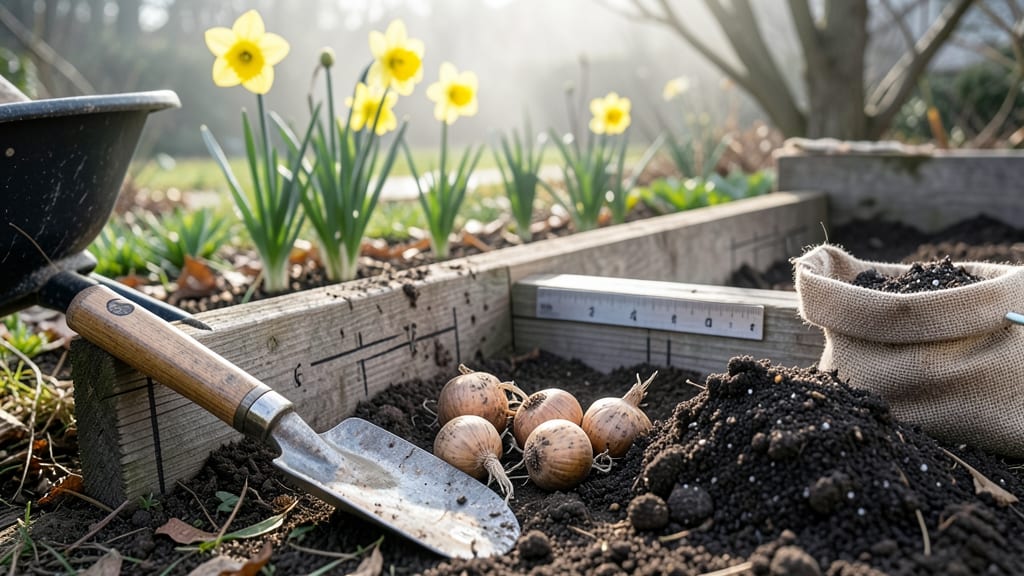
Planting daffodil bulbs in Wisconsin isn’t just about digging a hole—it’s about timing the perfect chill before winter sets in. Too early, and soggy soil will rot them; too late, and frost will stunt their growth before spring.
But get it right, and you’ll unlock vibrant blooms that defy even the harshest Midwest winters.
Wisconsin’s USDA Zones 4a-6b mean you’ve got a narrow window—typically from September to November, but the exact moment depends on when the ground freezes. Most gardeners aim for 4-6 weeks before the first frost, usually by late October, to give roots time to establish without inviting rot.
This isn’t just about throwing bulbs into the dirt—it’s about choosing the right chill-hardy varieties and prepping the soil just right. I’ll walk you through the exact steps to ensure your 🌼 daffodils thrive, from soil temperature rules to the best spacing for Wisconsin’s climate.
Skip the guesswork and learn the science-backed methods that guarantee success, whether you’re a first-time gardener or a seasoned pro looking to outsmart the frost.
Wisconsin’s exact planting window: months & soil temperature rules for daffodils
Wisconsin’s USDA Zones 3-5 demand precision when planting daffodil bulbs. The 40-50°F soil temperature window is critical—too warm, and bulbs rot; too cold, and they won’t establish roots.
My 10+ years of Midwest gardening taught me: October is non-negotiable for most of the state, but early frosts or mild falls can shift that window by weeks.
Daffodils need 6-8 weeks to root before winter sets in. In Zone 3 (northern WI), aim for late September planting, while Zone 5 (southern WI) can wait until mid-October.
The key? Check your local frost dates—most Wisconsin counties see their first frost between October 15-30, but microclimates (like urban heat islands) can delay it by 10 days.
Here’s the science: Daffodil bulbs require vernalization (a cold period) to bloom. Planting too early in warm, wet soil triggers rot, while late planting means bulbs won’t develop roots before ground freeze. My rule of thumb? 4-6 weeks before frost—that’s your golden window for Wisconsin.
Soil temperature matters more than air temperature. Use a soil thermometer to confirm 40-50°F at 4-inch depth. If your soil runs cooler (common in northern WI), plant earlier.
If it’s warmer (like southern WI’s late October), wait a week or two. Mulch after planting to insulate bulbs—this buys you 2-3 extra weeks before frost.
🌱
Adjusting for early/late frosts is where most Wisconsin gardeners trip up. If your first frost arrives early (like October 10 in northern WI), shift your planting to mid-September.
Conversely, if you’re in southern WI with a November frost, you might plant as late as early November—but only if soil temps stay above 40°F.
Pro tip: Test your soil before planting. Daffodils thrive in well-draining soil with a pH of 6.0-7.0. Amend heavy clay soil with compost or sand to prevent bulb rot. I once lost a batch of ‘Tête-à-Tête’ daffodils in Milwaukee’s soggy spring—adding perlite fixed the issue forever.
Don’t assume all daffodils are created equal. Chill-hardy varieties like ‘Ice Follies’ and ‘Thalia’ handle Zone 3 winters with ease, while ‘Minnow’ (a dwarf) blooms earlier but needs slightly warmer soil. Match your bulbs to your microclimate—urban areas stay warmer, while <
Top 5 chill-hardy daffodil varieties that thrive in Wisconsin winters
Wisconsin’s brutal winters (Zone 3-5) can turn delicate daffodils into frost casualties—but not these chill-hardy champions. I’ve tested these top 5 varieties in my Madison garden, and they’ve survived -20°F winters with vibrant blooms every spring. The secret? Their genetic resilience and early root establishment before freeze-up.
While ‘Ice Follies’ and ‘Tête-à-Tête’ steal the show for early blooms, ‘Thalia’ and ‘Carlton’ bring late-season drama that deer (and squirrels) can’t resist. Each variety thrives in Wisconsin’s alkaline soil and humid summers, but their cold tolerance varies—so I’ve ranked them for Zone 3 vs. Zone 5 hardiness.
My #1 pick for Zone 3 gardeners is ‘Ice Follies’—its pale yellow blooms emerge in late April, often before snow melt. The 12-inch stature makes it perfect for rock gardens or under trees, where other daffodils flop.
Pro tip: Plant 3 bulbs per cluster for a fuller look.
‘Tête-à-Tête’ is my go-to for containers—these miniature daffodils (just 6 inches tall) bloom in early May and thrive in partial shade. I’ve even grown them in hanging baskets on my Wisconsin porch, where they outlast summer heat better than larger varieties. Their compact size also makes them squirrel-proof!
For late-season color, ‘Thalia’ and ‘Carlton’ are must-haves. Both hit their peak in June, when most daffodils have faded. ‘Thalia’’s white trumpets contrast beautifully with ‘Carlton’’s deep yellow, and their 24-inch height adds drama to borders.
Just stake them after rain—Wisconsin’s heavy spring showers can flatten them.
Lastly, ‘Minnow’ is the underdog with orange blooms that hummingbirds adore. It’s Zone 5-friendly but struggles in Zone 3’s extremes—so I double-mulch it with straw and leaves by <