
Plants
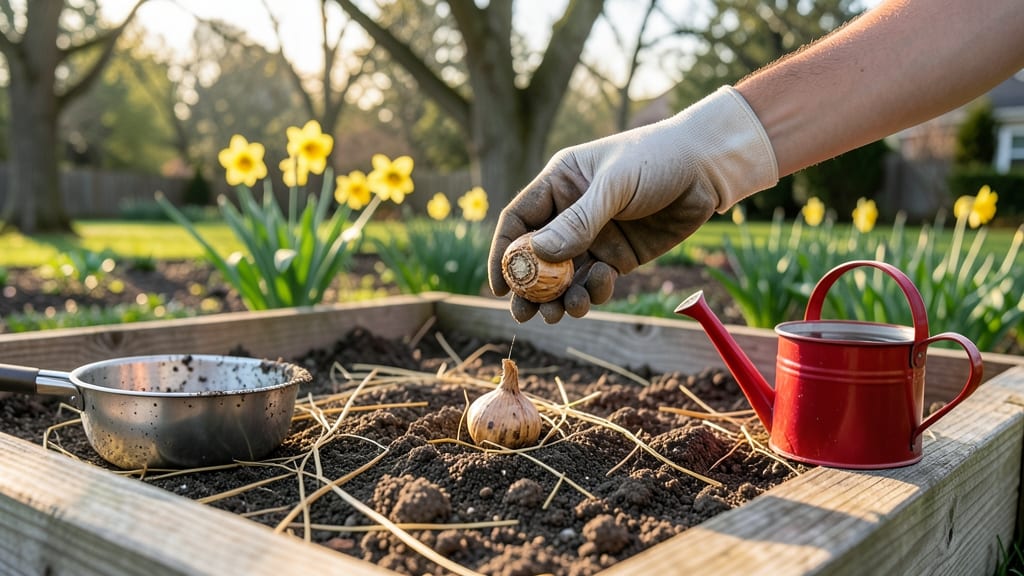
Planting daffodil bulbs at the right time in Oklahoma isn’t just about following a calendar—it’s about catching that sweet spot when soil temperatures drop and frost looms, giving your 🌼 roots a fighting chance to establish before winter sets in.
If you’ve ever watched your daffodils bloom late—or worse, rot in the ground—you know timing makes all the difference. Oklahoma’s 6b-8a zones mean your neighbors in Tulsa might have a different schedule than those in Oklahoma City, and ignoring those microclimates can leave your bulbs struggling.
The key? Planting when soil hits 50-60°F, usually between October and November, but adjusting for your exact location.
I’ll show you how to read your soil’s temperature cues, when to override the “perfect” window, and even how to use mulch to buy extra time if Mother Nature throws a curveball. No more guessing—just science-backed steps tailored for Oklahoma’s unpredictable autumns.
Ready to give your daffodils the fast start they deserve? Let’s break down the exact moments to plant, plus the tools you’ll need to track frost and soil conditions like a pro.
Best planting months for daffodils in Oklahoma based on soil temperature
Oklahoma gardeners know timing is everything when planting daffodil bulbs. The key to success isn't just picking a month—it's understanding soil temperature thresholds that trigger root growth.
For daffodils, this means waiting until the ground cools to 50-60°F, which typically happens in late September to November across most of Oklahoma. Plant too early, and bulbs may rot; too late, and they won't establish roots before winter.
Unlike northern states where frost arrives early, Oklahoma's USDA Zones 6b-8a create regional variations. Northern Oklahoma (like Enid or Woodward) often sees earlier freezes, while southern areas (like Oklahoma City or Tulsa) have more time.
The 4-6 week window before ground freezes is your target—usually October to early November—but soil temperature is the real guide.
Why soil temperature matters: Daffodil bulbs need consistent 50-60°F soil to form roots. Below 50°F, growth slows; above 60°F, bulbs may sprout too early and get damaged by frost. Use a soil thermometer to check depth (4-6 inches down) before planting. This is especially critical in Oklahoma's variable autumns, where warm days can fool you into thinking it's safe.
Here’s how Oklahoma’s regional frost risks break down for daffodil planting:
| Region | Ideal Planting Window | Soil Temp Threshold | Frost Risk | Action Tip |
|---|---|---|---|---|
| Northern OK (Enid, Woodward) | Late September - Early October | 50-60°F (critical by Sept 25) | High (first frost: Oct 15) | Plant by Oct 10 for root establishment. |
| Central OK (Oklahoma City) | Mid-October - Early November | 50-60°F (critical by Oct 10) | Moderate (first frost: Oct 25) | Aim for Oct 15-25 for best results. |
| Southern OK (Tulsa, OKC suburbs) | Late October - Early November | 50-60°F (critical by Oct 20) | Low (first frost: Nov 5) | Extend window to Nov 1 if soil stays warm. |
| High Altitude (Wichita Mts.) | Early September - Mid-October | 50-60°F (critical by Sept 15) | Very High (first frost: Sept 30) | Plant by Sept 20 or use mulch for insulation. |
For Northern Oklahoma, the window is tight—plant by October 10 to avoid early freezes. In Central Oklahoma, you have more flexibility (until November 1), but monitor soil temps closely. Southern Oklahoma gardeners can push planting later, but avoid waiting past early November when soil cools too much.
High-altitude areas like the Wichita Mountains require early planting (September) due to earlier frost.
Don’t rely solely on the calendar—soil temperature is your real guide. If your soil stays above 60°F past October, wait. If it drops below 50°F before planting, use mulch or straw to insulate the soil.
Oklahoma’s unpredictable weather means checking your soil weekly in autumn is a must. A simple $10 soil thermometer can save your entire daffodil investment.
Pro tip: Plant daffodil bulbs 6 inches deep and 6 inches apart in well-draining soil. Add a 2-inch layer of compost to improve root growth, especially in Oklahoma’s clay-heavy soils.
This extra care helps bulbs establish roots faster, so they’re ready to bloom by April-May—just in time for Oklahoma’s mild spring.
If you’re in Zone 7 or 8 (like southern Oklahoma), you might even squeeze in a second planting in December, but only if soil temps stay above 50°F. Most gardeners in these areas stick to the October-November window for reliability.
Remember, daffodils are hardy perennials, so a few weeks’ delay won’t kill them—but it may delay or reduce blooms next spring.
For extra insurance, cover planted bulbs with straw once nighttime temps drop below 40°F. This simple trick adds 5-10°F of insulation, protecting young roots from sudden cold snaps—a common issue in Oklahoma’s variable autumns.
With the right timing and soil prep, your daffodils will reward you with vibrant blooms year after year.
How to adjust planting time for Oklahoma’s microclimates and frost zones
Oklahoma’s diverse geography means your daffodil bulbs might thrive in Tulsa’s cooler highlands while struggling in Oklahoma City’s urban heat island. The USDA zones 6b-8a mask these local variations—where the first frost hits Tahlequah by late October but lingers in Lawton until mid-November.
Understanding these microclimates lets you fine-tune planting for earlier blooms or winter protection.
Urban areas like Oklahoma City can trap heat, delaying frost by 1-2 weeks compared to rural zones. Meanwhile, high-altitude regions (1,000+ ft) like Tulsa’s hills experience earlier freezes. Use these differences to your advantage—plant earlier in rural areas and delay slightly in cities to match your local frost timeline.
Warning: Urban Heat Islands Delay Frost
Oklahoma City’s asphalt and concrete can delay frost by 7-14 days compared to rural areas. Plant daffodil bulbs 2 weeks later in cities to avoid rot from warm soil. Check local weather stations (like NOAA’s Oklahoma Mesonet) for soil temperature trends, not just air temps.
For high-altitude gardens (1,000+ ft), like those in Tulsa’s hills, aim to plant 4-6 weeks before your area’s first frost date. Use a soil thermometer to confirm 50-60°F soil temps—the ideal range for root growth.
In low-lying areas, where frost arrives earlier, opt for earlier-blooming varieties like ‘Ice Follies’ or ‘Tête-à-Tête’ to beat the season.
Mulch isn’t just for winter—it’s a soil temperature regulator. Apply 3-4 inches of straw or shredded leaves after planting to insulate bulbs from warm fall soil in urban areas or freeze protection in rural zones.
In Tulsa’s cooler microclimates, add mulch earlier (late September) to extend the planting window by 2 weeks.
Rural Oklahoma’s drier climates (like western panhandle regions) benefit from deep watering before planting to stabilize soil temps. Amend clay-heavy soils with compost or sand to improve drainage—waterlogged bulbs rot faster in Oklahoma’s variable autumn rains.
Test soil moisture weekly; bulbs need consistent dampness (not sogginess) until roots establish.
Use local frost forecasts from Oklahoma State University’s Extension Service to adjust your timeline. For example, Altus (Zone 7b) can plant 2 weeks later than Norman (Zone 7a).
If early frosts threaten, cover bulbs with row fabric until temps stabilize—this buys 3-5 extra days for root growth without risking rot.
Pro tip: Plant daffodil bulbs in containers if your microclimate is extreme. Move pots to garages or sheds during unusually warm winters (like 2016’s El Niño) or protect from early freezes with burlap wraps. This flexibility lets you override Oklahoma’s unpredictable patterns while still enjoying spring blooms.