
Plants
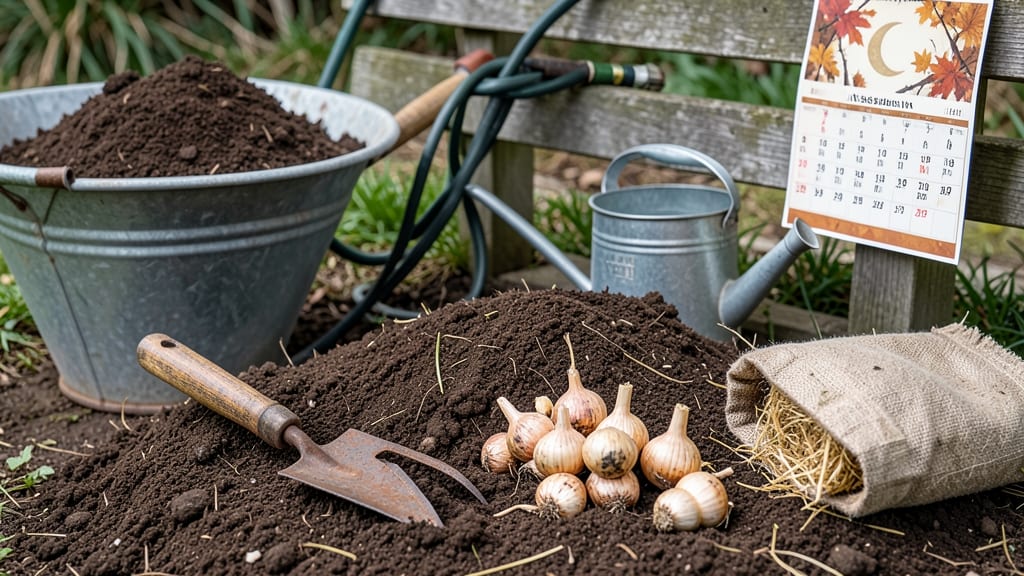
Planting daffodil bulbs in Maryland at the wrong time can mean the difference between a vibrant spring display and wasted effort. These hardy 🌼 beauties need a precise window—too early, and they’ll rot; too late, and they’ll miss the chill hours that trigger blooming.
Most Maryland gardeners in USDA Zones 7a-7b should plant between October and November, but the exact timing depends on your microclimate. The key is getting those bulbs in the ground 6 weeks before the first frost, usually by mid-November, so they establish roots before winter sets in.
Don’t stress if you miss the fall window—early winter plantings can still work, but you’ll need to protect them from freezing soil. I’ll walk you through the exact steps to time it right, whether you’re in Baltimore’s urban heat island or the cooler Appalachian foothills.
Ready to avoid common mistakes and ensure your daffodils bloom on schedule? Let’s dive into the perfect planting calendar for Maryland’s unpredictable frost dates.
Maryland’s chill-hour zones: matching daffodil varieties to frost-free planting dates
Maryland’s USDA Zones 6b-7a create a unique challenge for daffodil growers. The state’s chill-hour requirements (300–1,000 hours below 45°F) vary dramatically between Baltimore’s urban heat islands and Western Maryland’s cooler valleys. Choosing the right daffodil cultivars and planting them at the optimal time ensures vibrant blooms by spring.
Most Maryland gardeners focus on Zone 7a (common in central Maryland), where average first frost arrives November 15. However, areas like Zone 6b (Western Maryland) may see frost as early as October 25. This means your planting window could shift by 3–4 weeks depending on location.
Here’s the key: Early-blooming varieties like ‘Tête-à-Tête’ need fewer chill hours (300–400), while late-season types like ‘Ice Follies’ require 800+ chill hours. Planting the wrong variety in the wrong zone can leave you with no blooms or weak stems.
Pro Tip: Use Maryland’s chill-hour calculator (below) to adjust planting dates. For example, in Zone 7a, aim for October 15–November 1, but in Zone 6b, shift to September 25–October 15.
For example, ‘Ice Follies’ (a late bloomer) thrives in Zone 7b but may fail to bloom in Zone 6b if planted too late. Meanwhile, ‘Tête-à-Tête’ (a dwarf variety) adapts well to urban heat islands like Baltimore, where warmer microclimates reduce chill hours.
To adjust planting dates, use this chill-hour rule of thumb: Subtract 100 chill hours for every 100 feet in elevation you’re below Zone 7a. For instance, if you’re in Zone 7a at 500 ft but plant at 1,000 ft, shift your planting window 2 weeks earlier.
Soil temperature is just as critical as air temperature. Use a soil thermometer to confirm the ground is between 40–50°F before planting. Cooler soils (below 40°F) can stunt bulb roots, while warmer soils (>50°F) risk rot.
In Zone 6b, this often means waiting until mid-October even if air temps drop.
For gardeners in Zone 7a, prioritize early-blooming varieties like ‘Minnow’ or ‘Peach Sorbet’ to ensure they get enough chill hours before winter. These types bloom in early April, often beating frost by 2–3 weeks.
Late bloomers like ‘Dutch Master’ should be planted by October 20 to avoid missed chill hours.
Don’t forget about microclimates! A north-facing slope in Zone 7a
Step-by-step planting timeline: from soil prep to first frost protection
Maryland’s fall planting window for daffodils is your golden opportunity—aim for 6 weeks before the ground freezes, typically between mid-October and early November. But with Zone 6 vs. Zone 7 differences, timing shifts by 2-3 weeks.
For example, in Zone 7b (Baltimore), you might squeeze in late November plantings, while Zone 6a (Western MD) gardeners should finish by mid-October to avoid bulb rot.
First, check soil temperatures—ideal range is 40–50°F. Use a soil thermometer at 4-inch depth; if temps dip below 40°F, wait 1-2 weeks. Cool soil signals winter dormancy is near, protecting bulbs from premature sprouting or freezing damage.
Pro tip: Morning soil temps are more reliable than afternoon spikes.
Here’s your actionable timeline—adjust based on your USDA Zone and local frost history:
Test soil pH (6.0–7.0) and amend with compost if heavy clay is present. Loosen soil to 12 inches deep—daffodils hate compacted roots.
Plant bulbs 6 inches deep and 4–6 inches apart. Pointy ends up! Use a bulb planter for precision.
If temps drop below 32°F before mulching, cover bulbs with straw or leaves (4–6 inches). For late plantings (post-Nov 15), use frost blankets until soil freezes.
Apply 3–4 inches of mulch (shredded bark or pine needles) to insulate bulbs. Avoid fresh grass clippings—they mat and trap moisture.
Remove mulch when crocuses bloom (sign of warming soil). Water lightly to encourage leaf growth—this fuels next year’s blooms!
For Zone 7 gardeners tempted to plant in December, act fast: bulbs need 8–12 weeks of chill to bloom. Use a soil warming mat if ground is frozen—just 2–3 weeks of 50°F soil can jumpstart root growth. Protect late plantings with black plastic mulch until spring thaw.
Remember: Daffodil bulbs store energy in their leaves, not flowers. Let foliage yellow naturally after blooming—don’t cut it back until 6 weeks post-flowering. This ensures robust bulbs for next year’s show. In Maryland’s humid springs, this also prevents fungal diseases like basal rot.
🌼 Key takeaway: Maryland’s two planting windows—fall (primary) and early winter (high-risk)—both require soil temp checks and frost-proofing. Zone 6? Stick to October. Zone 7? Push to mid-November with protection. Your daffodils will thank you with bold blooms by April!